
Devonshire Inn
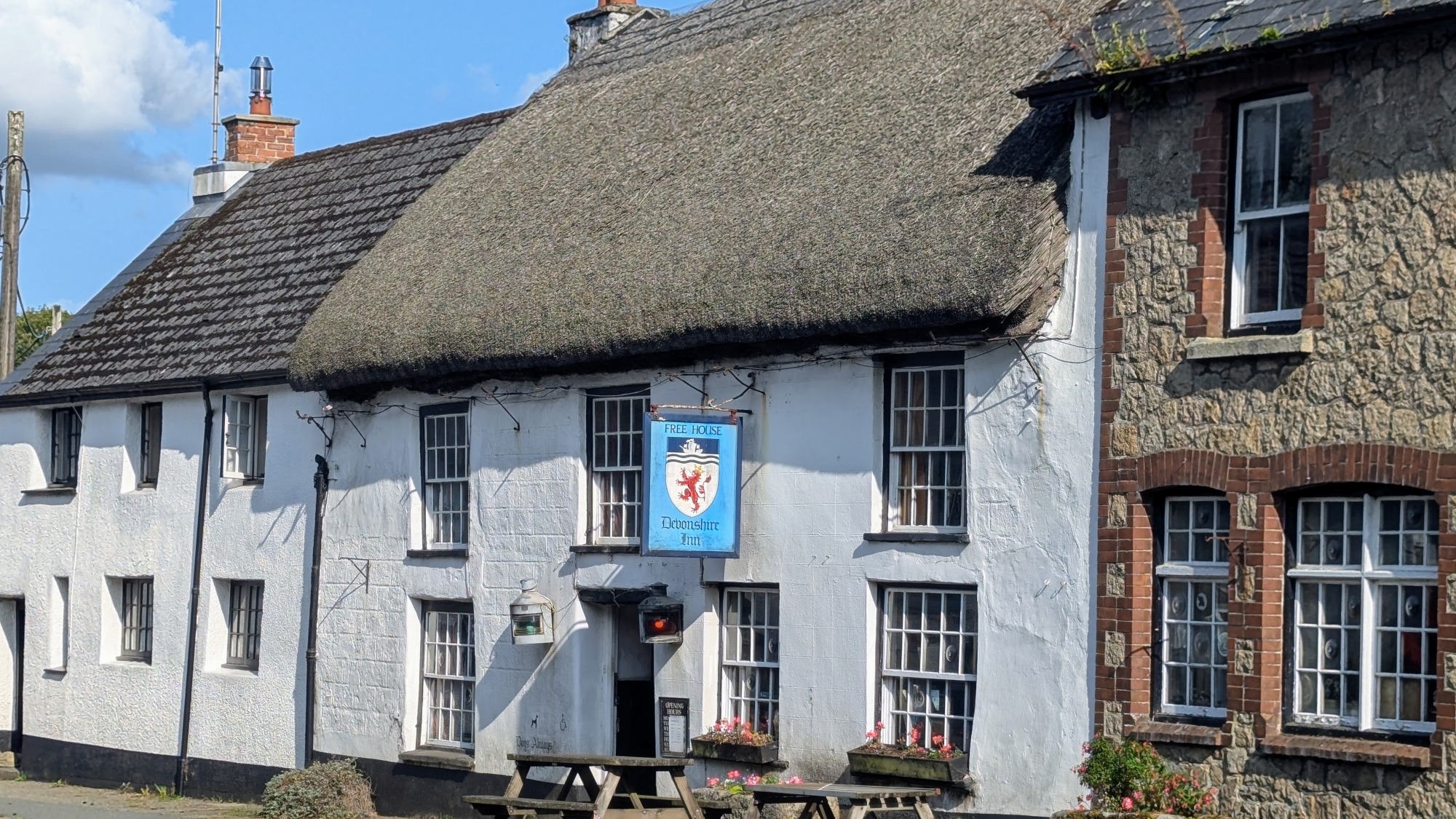
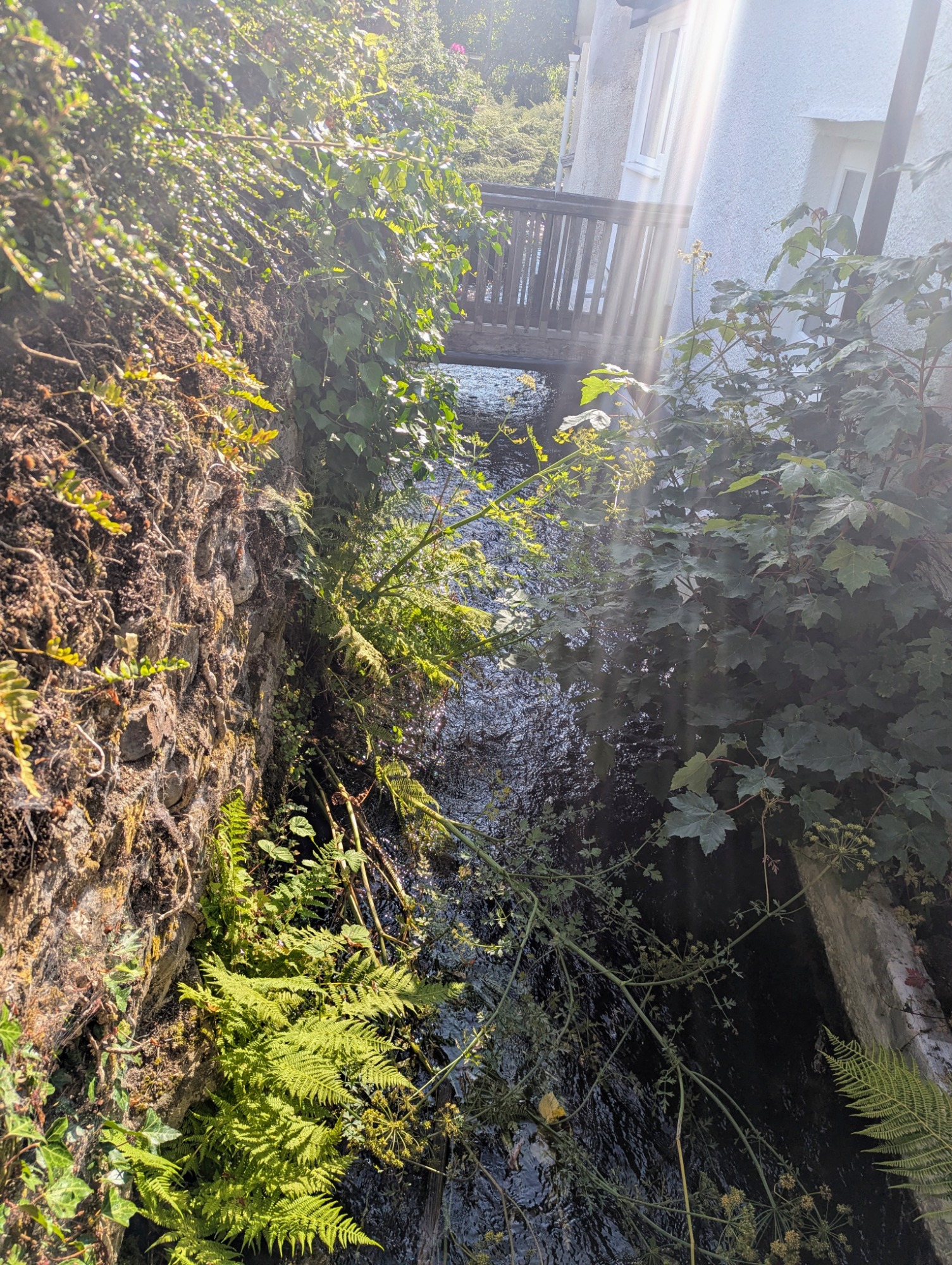
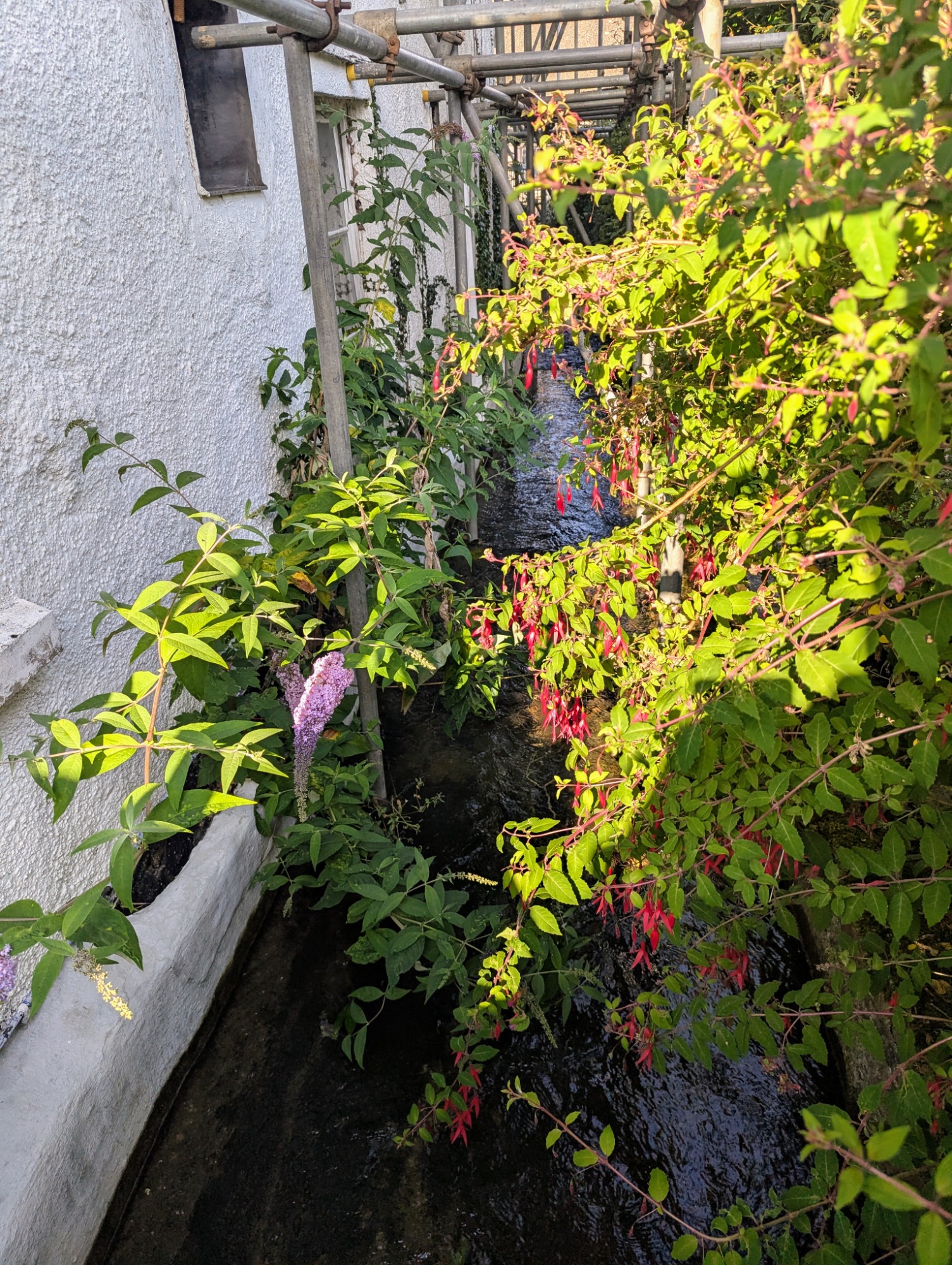
This beautiful old pub is a proper Grade II listed building, and it's a true gem. To get to the large beer garden, you walk over a delightful little bridge that crosses a babbling stream—a lovely touch.
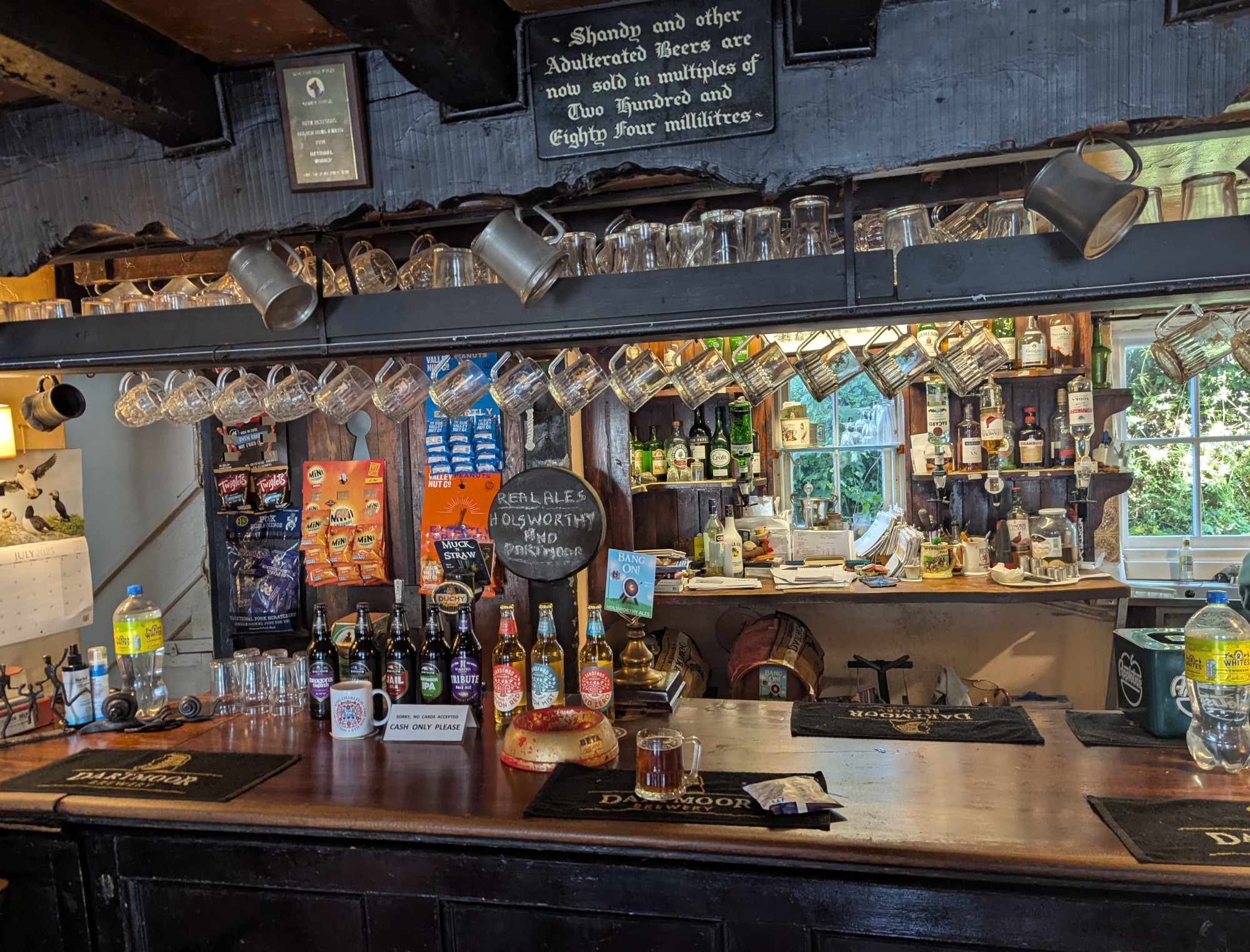
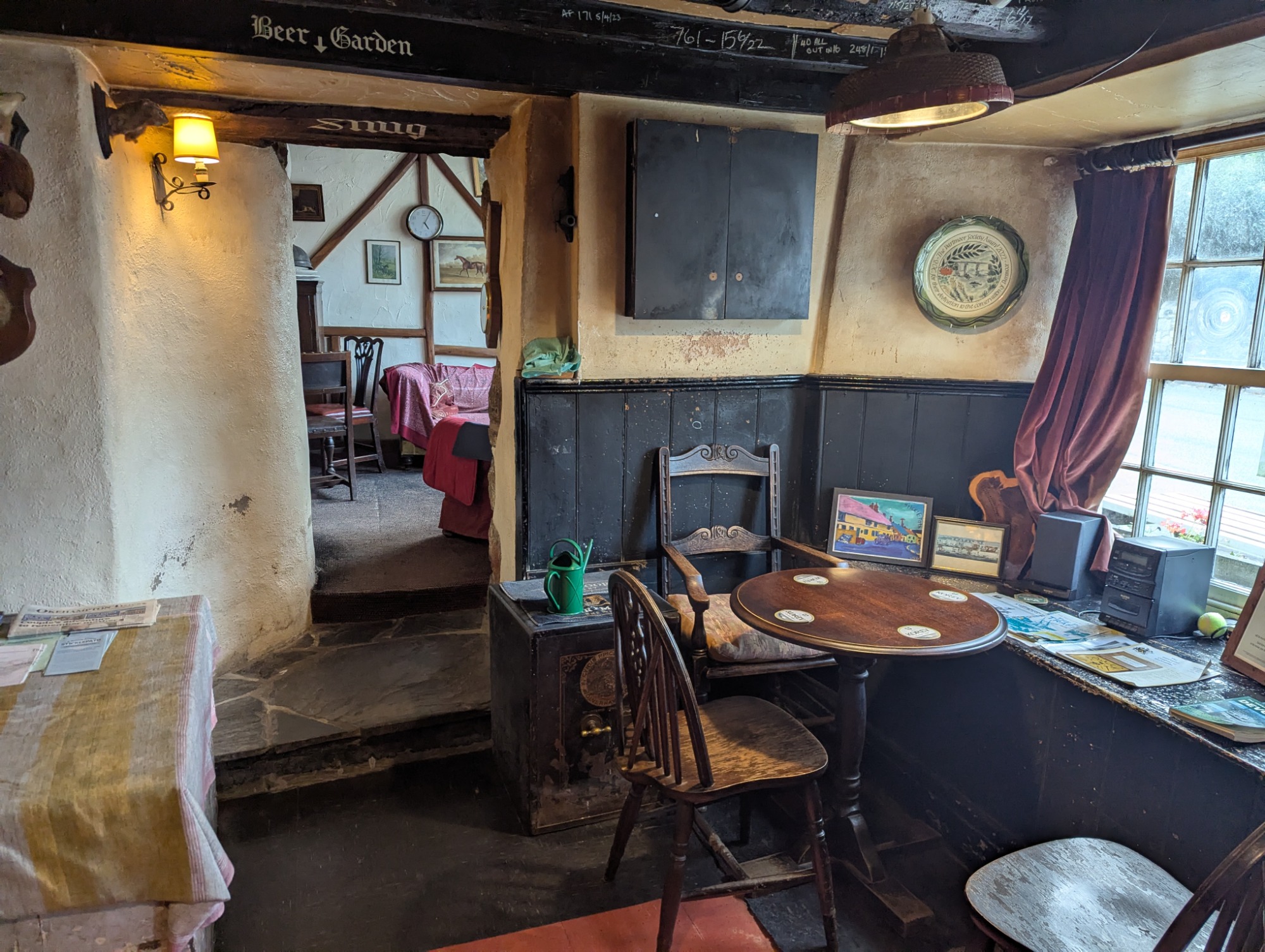
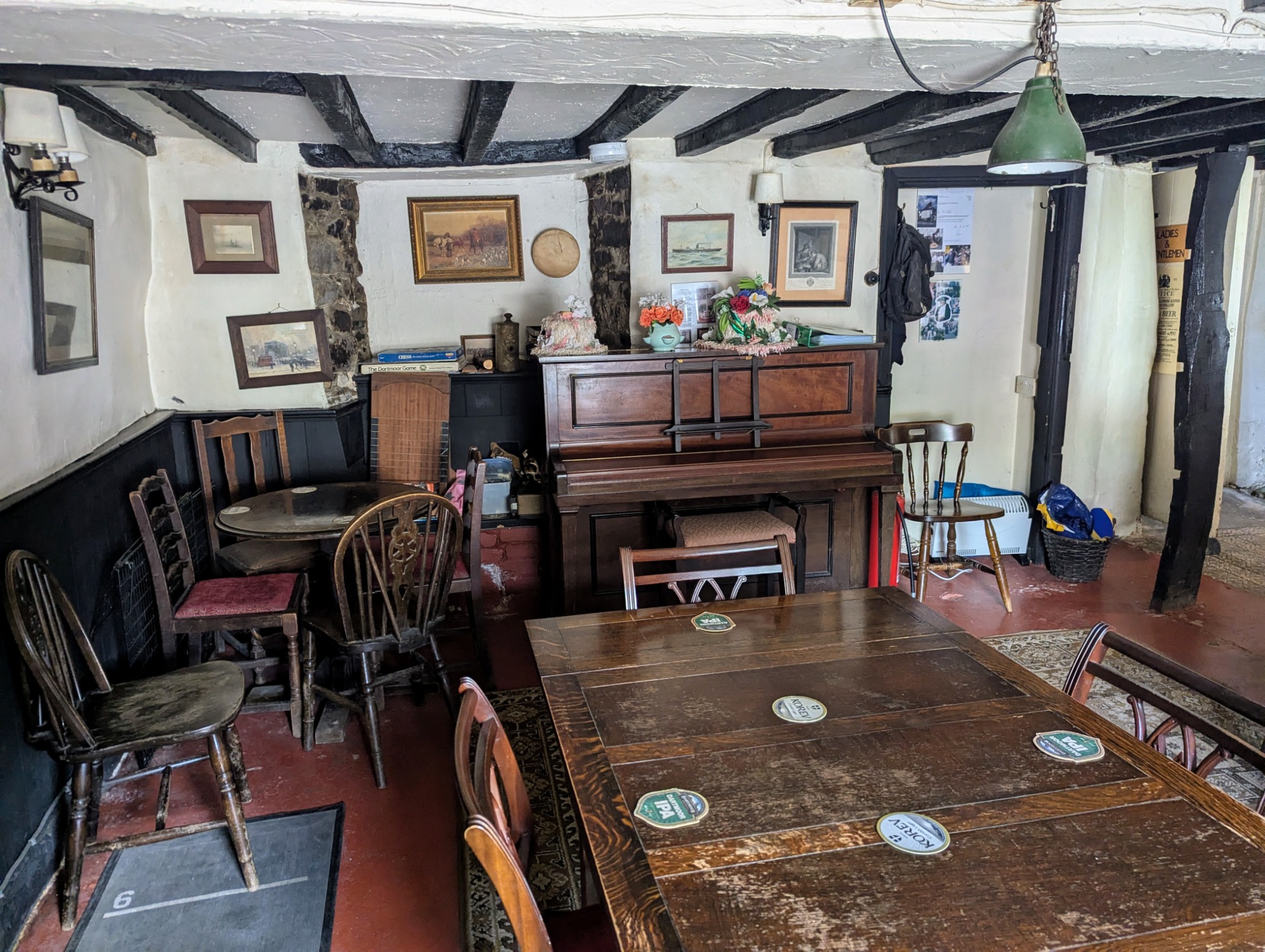
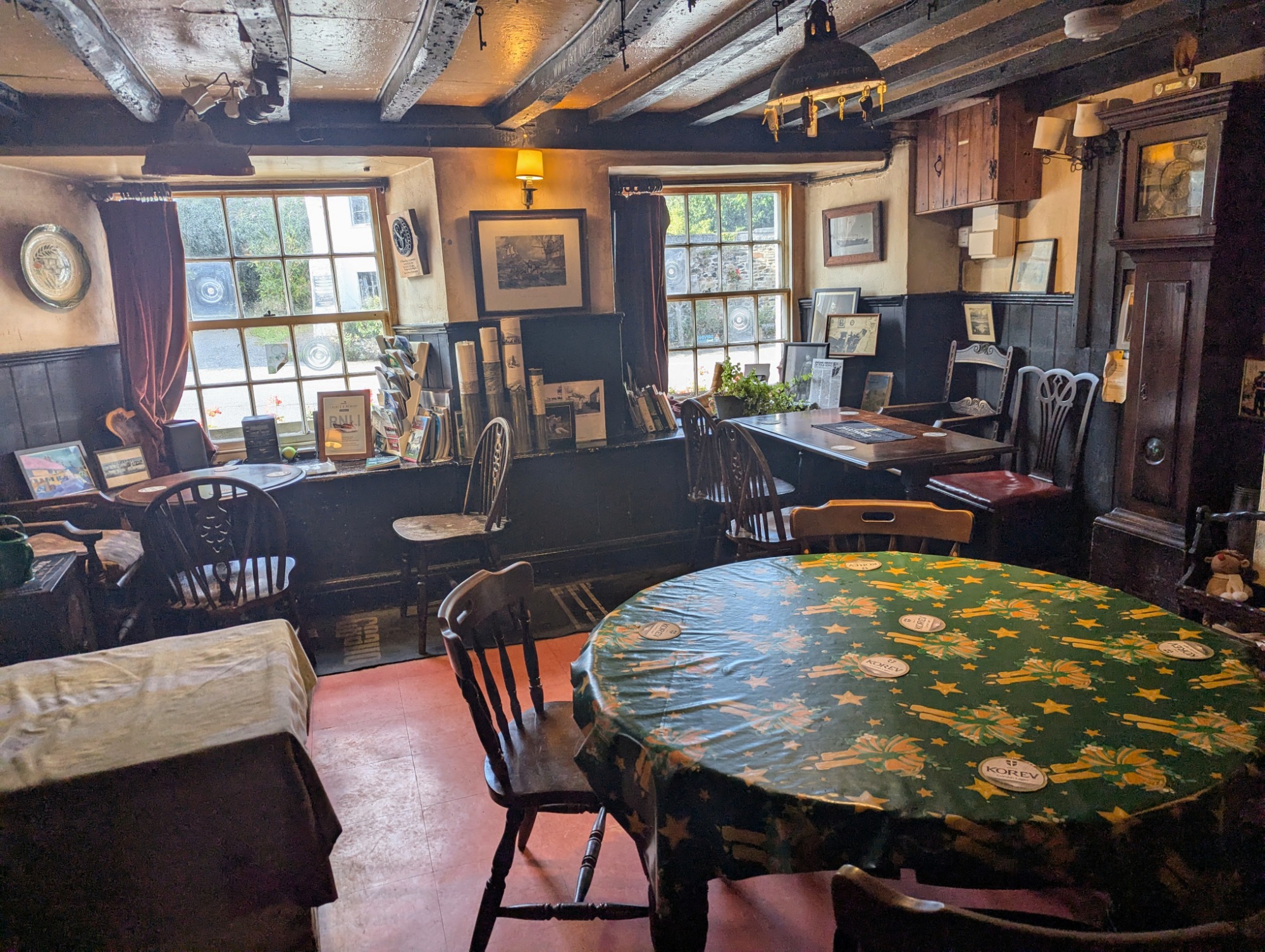
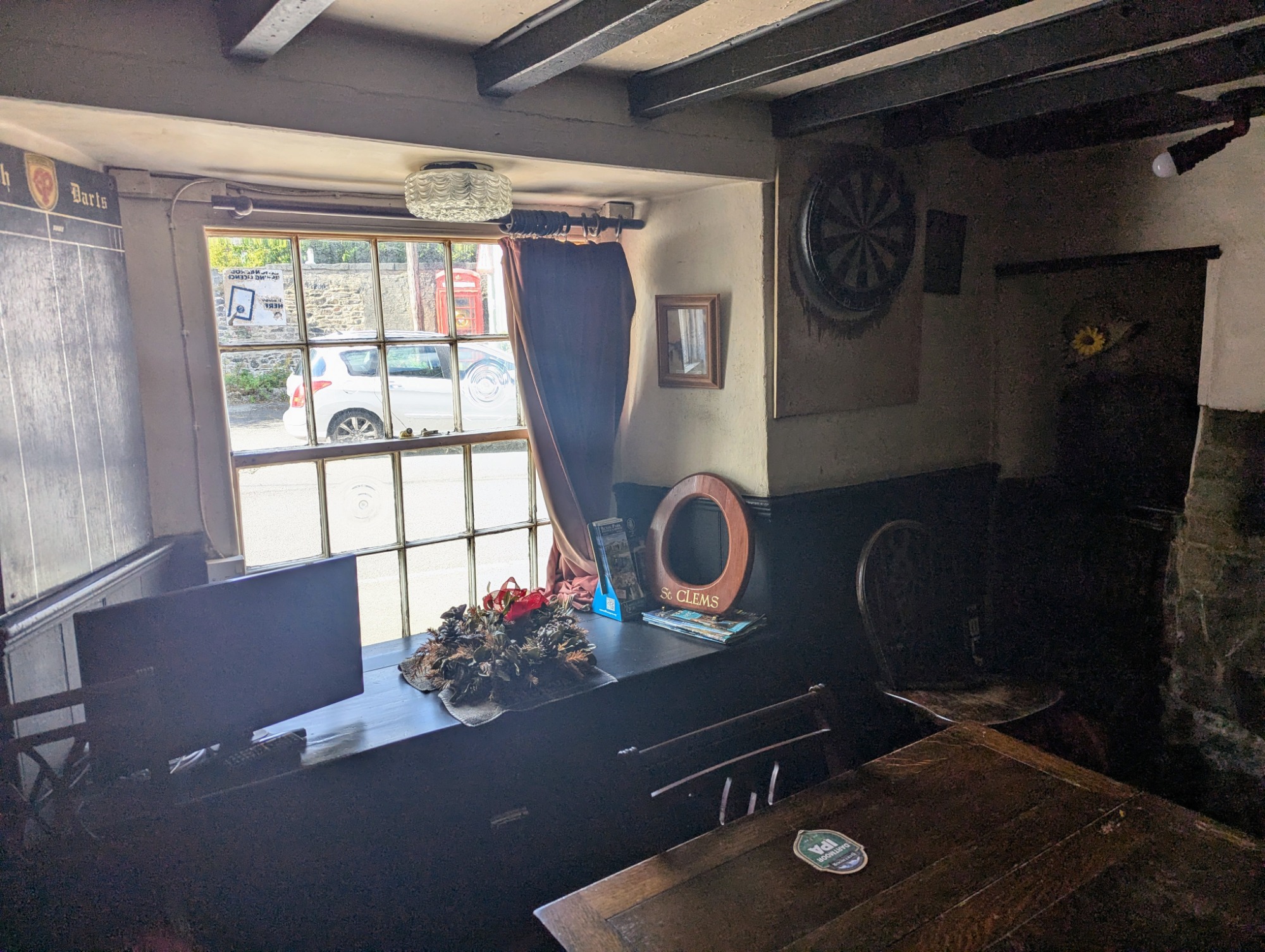
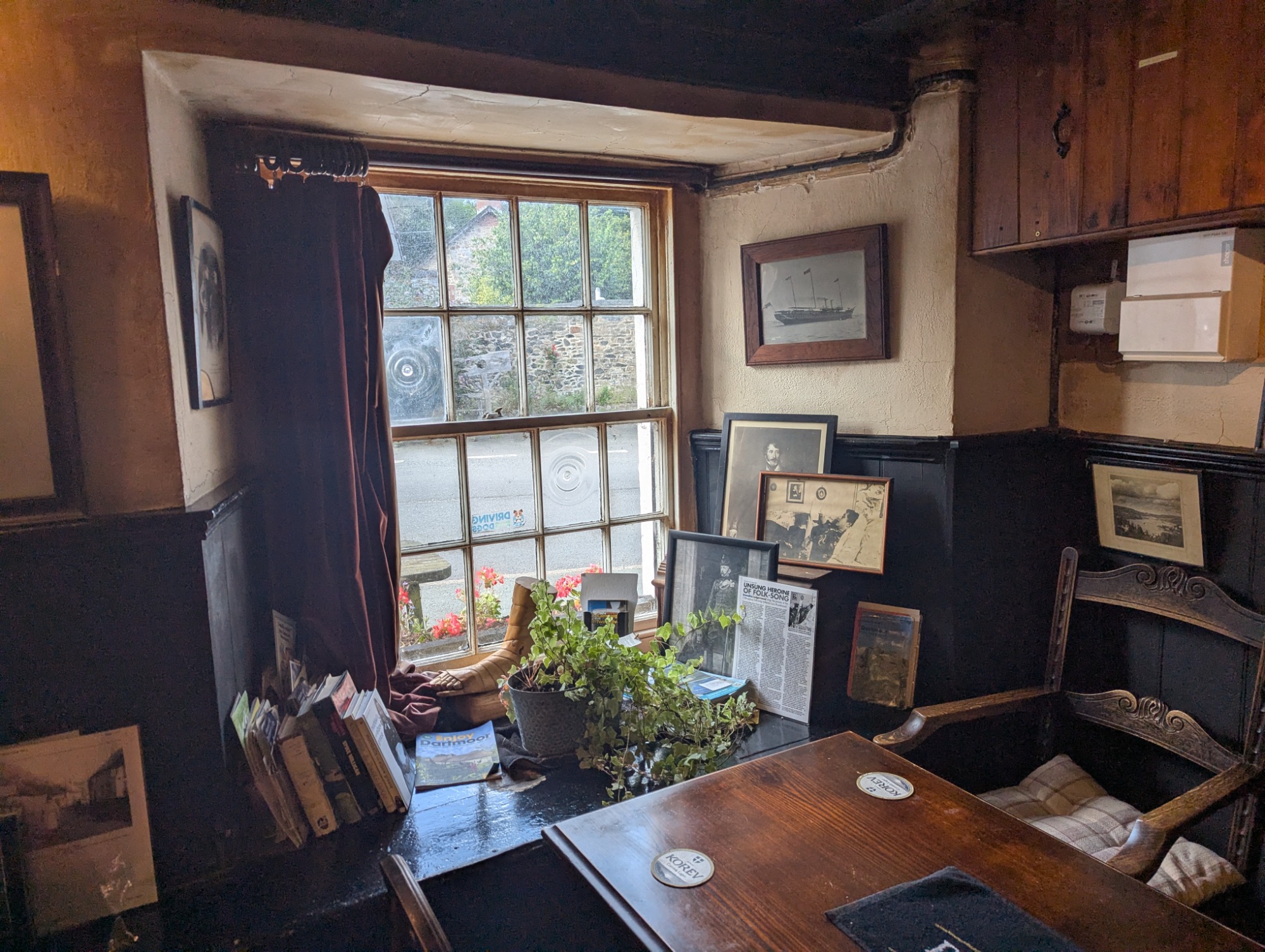
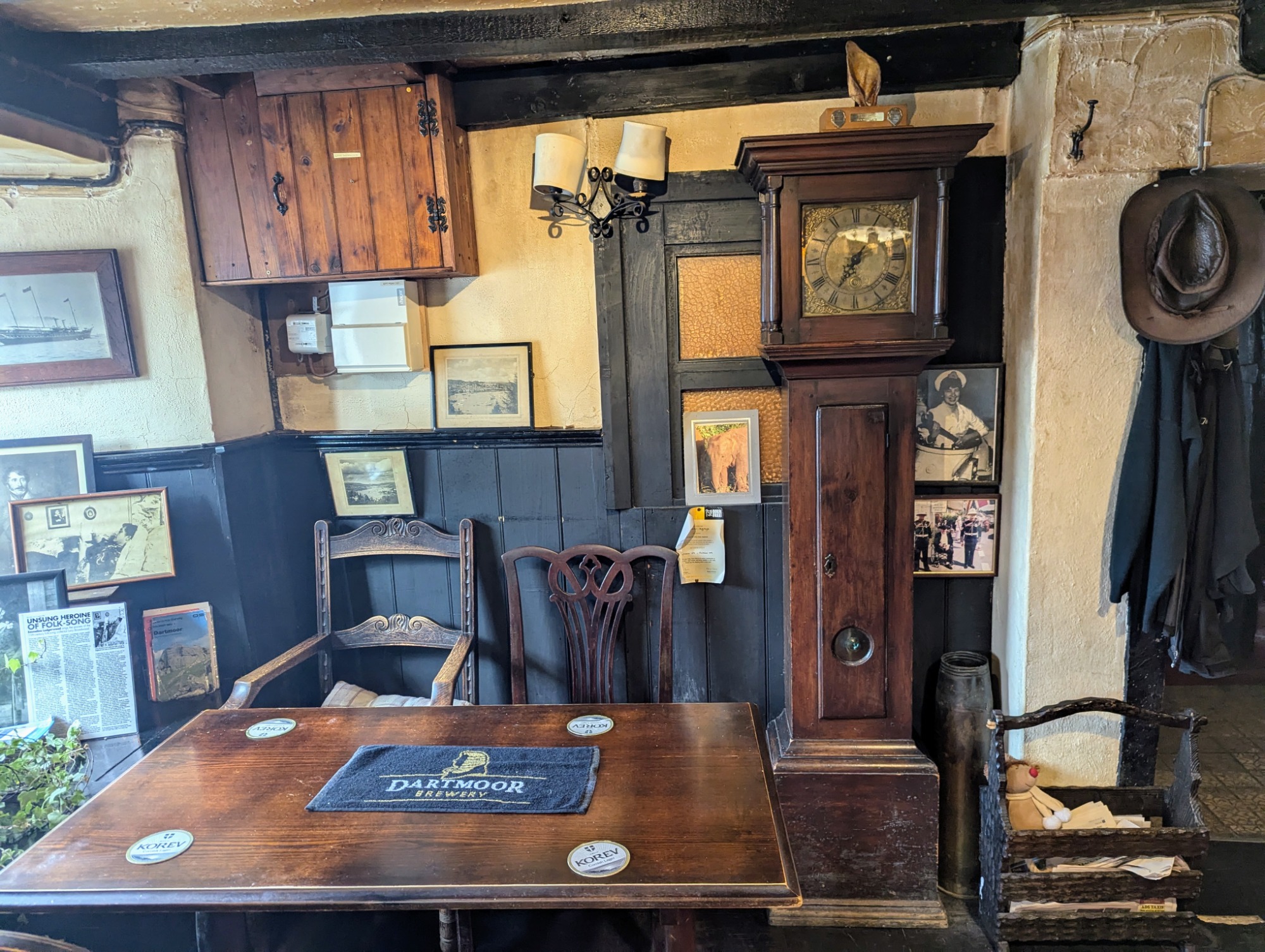
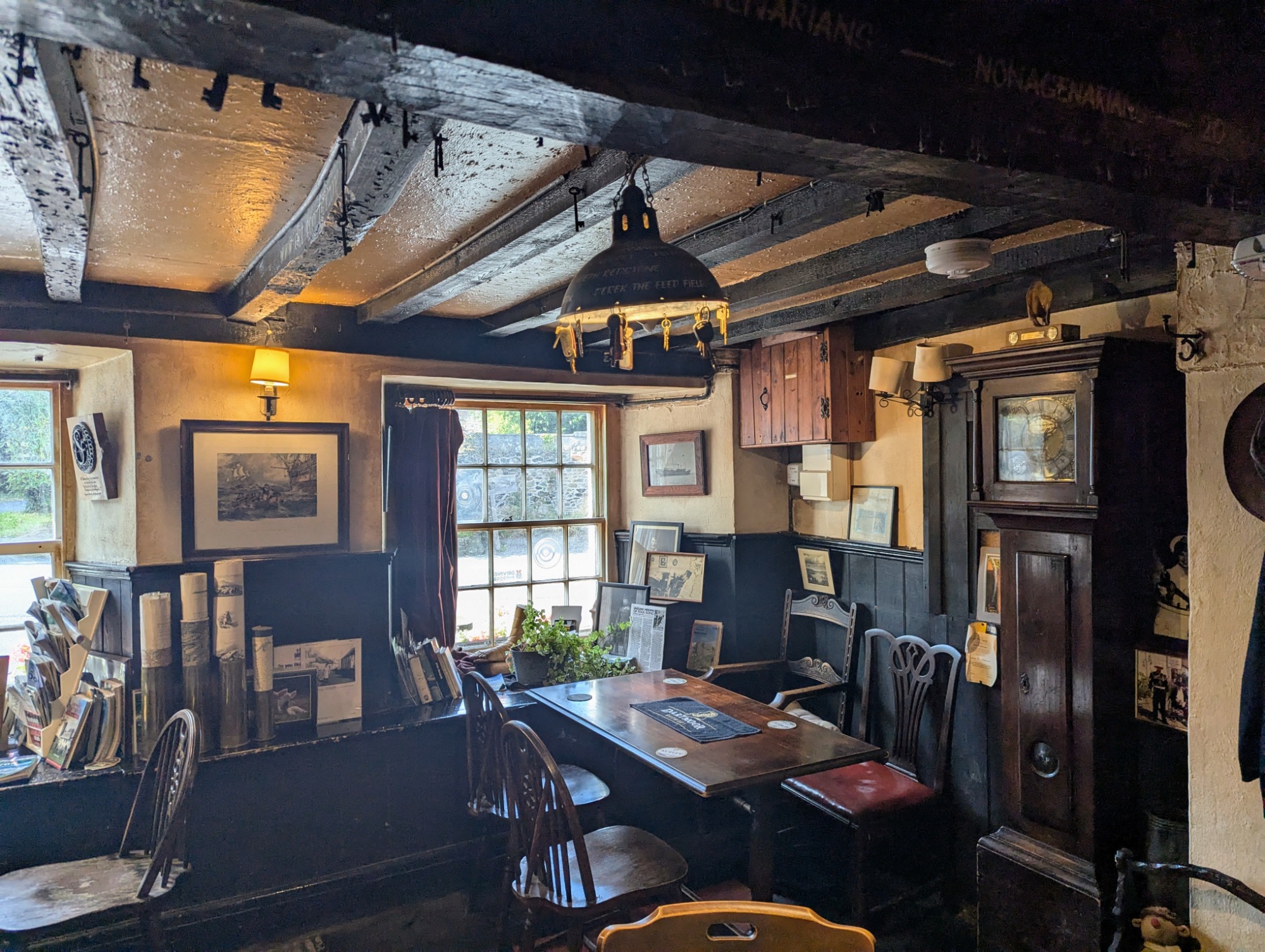
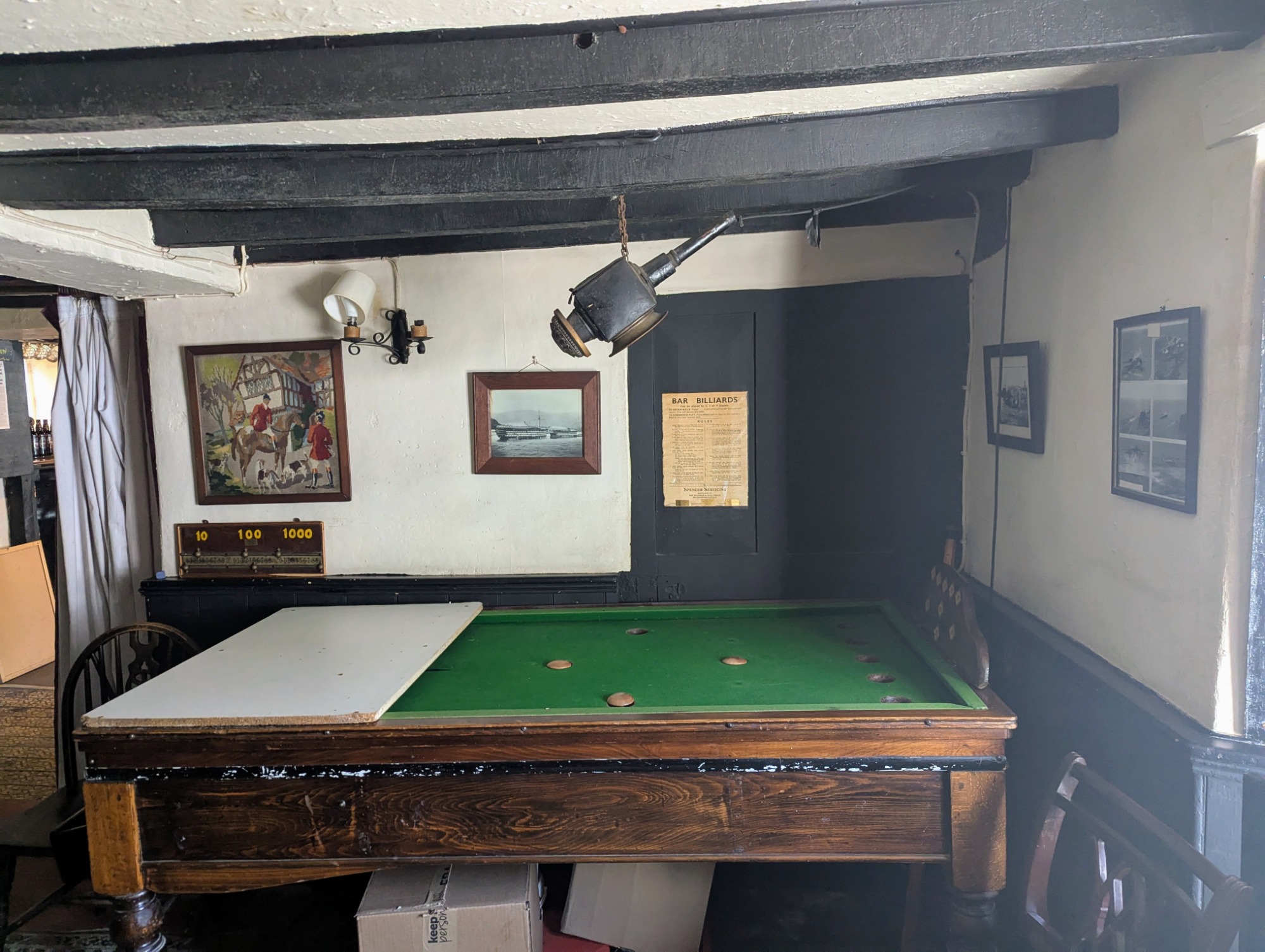
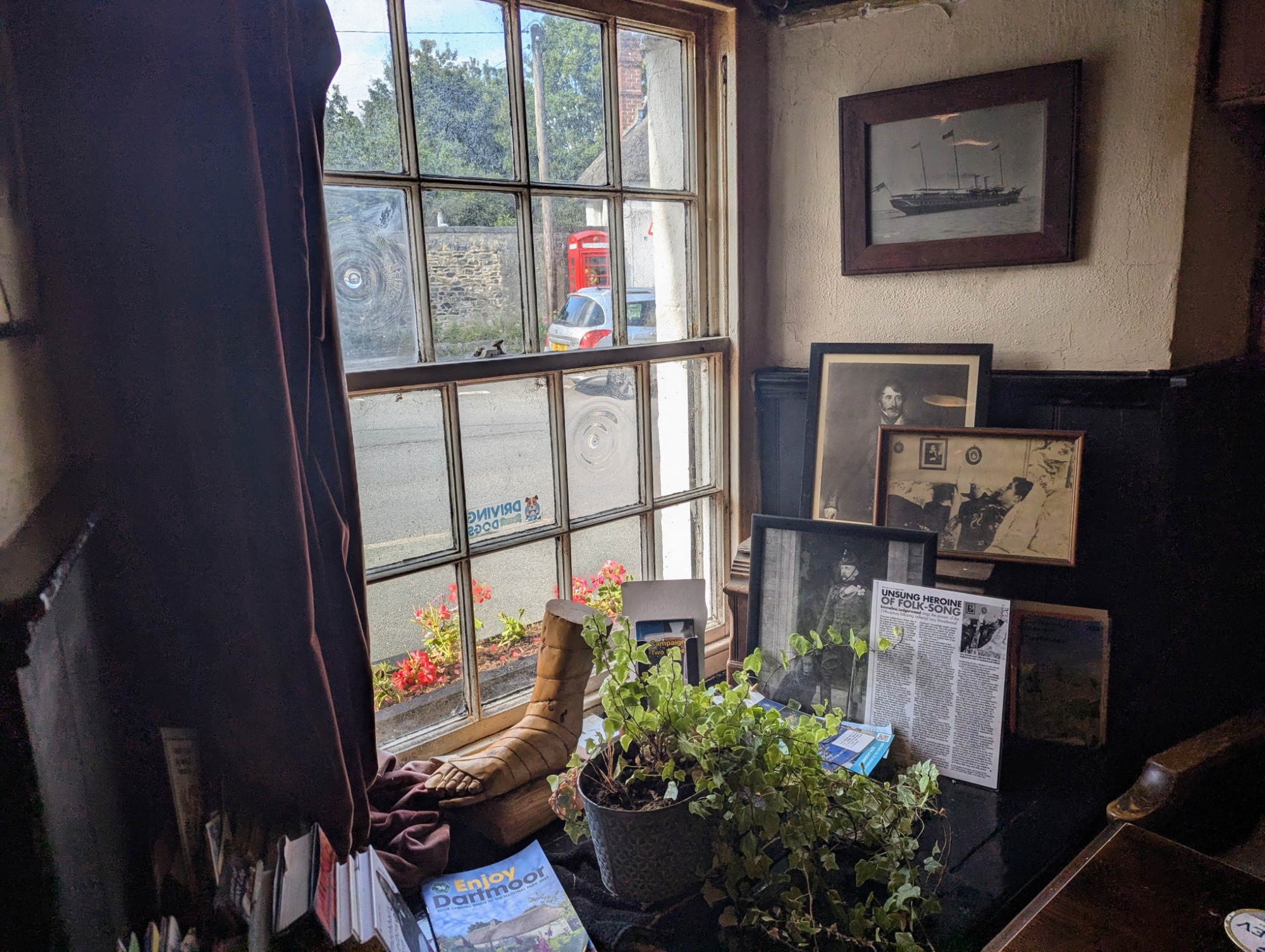
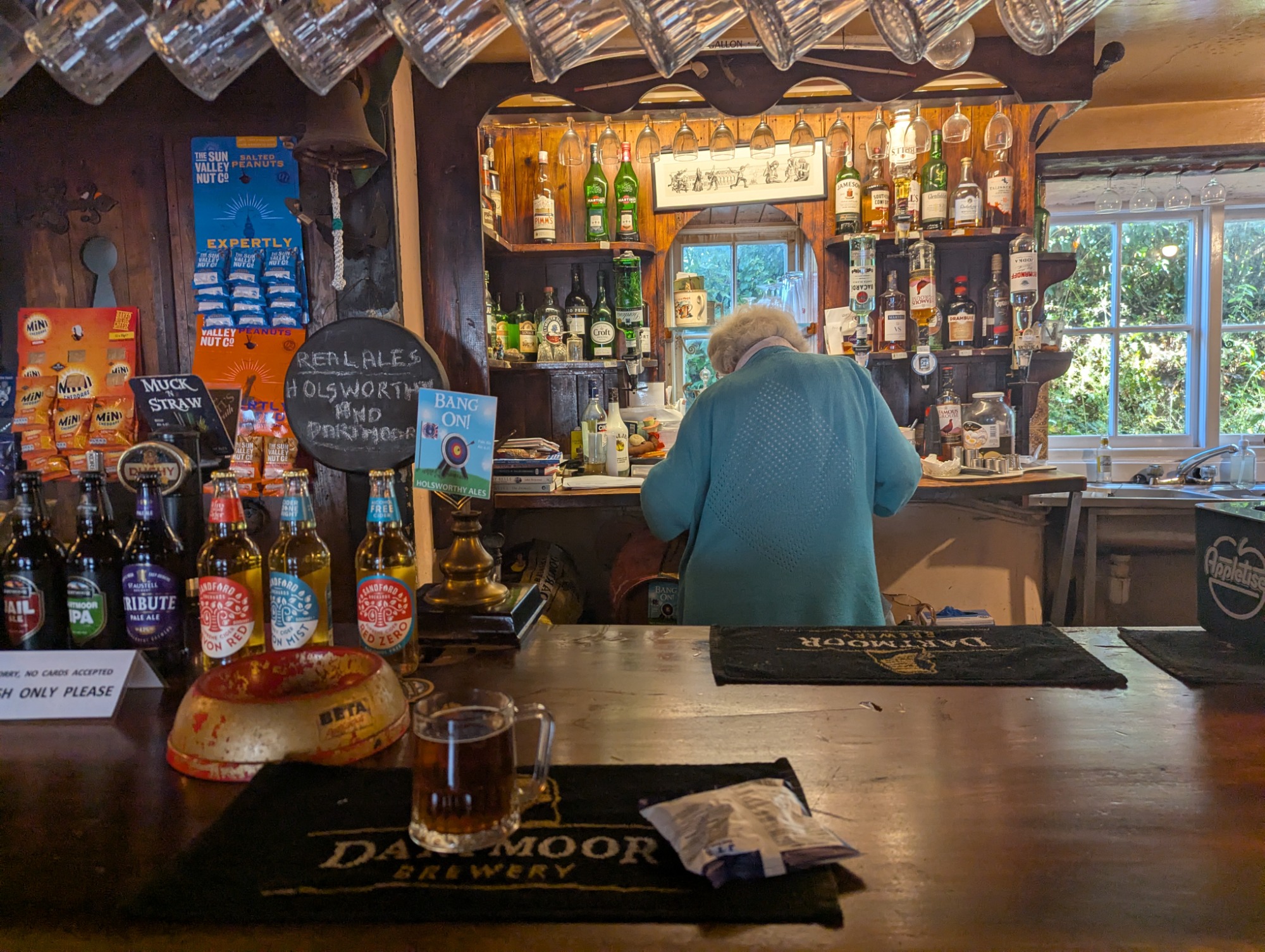
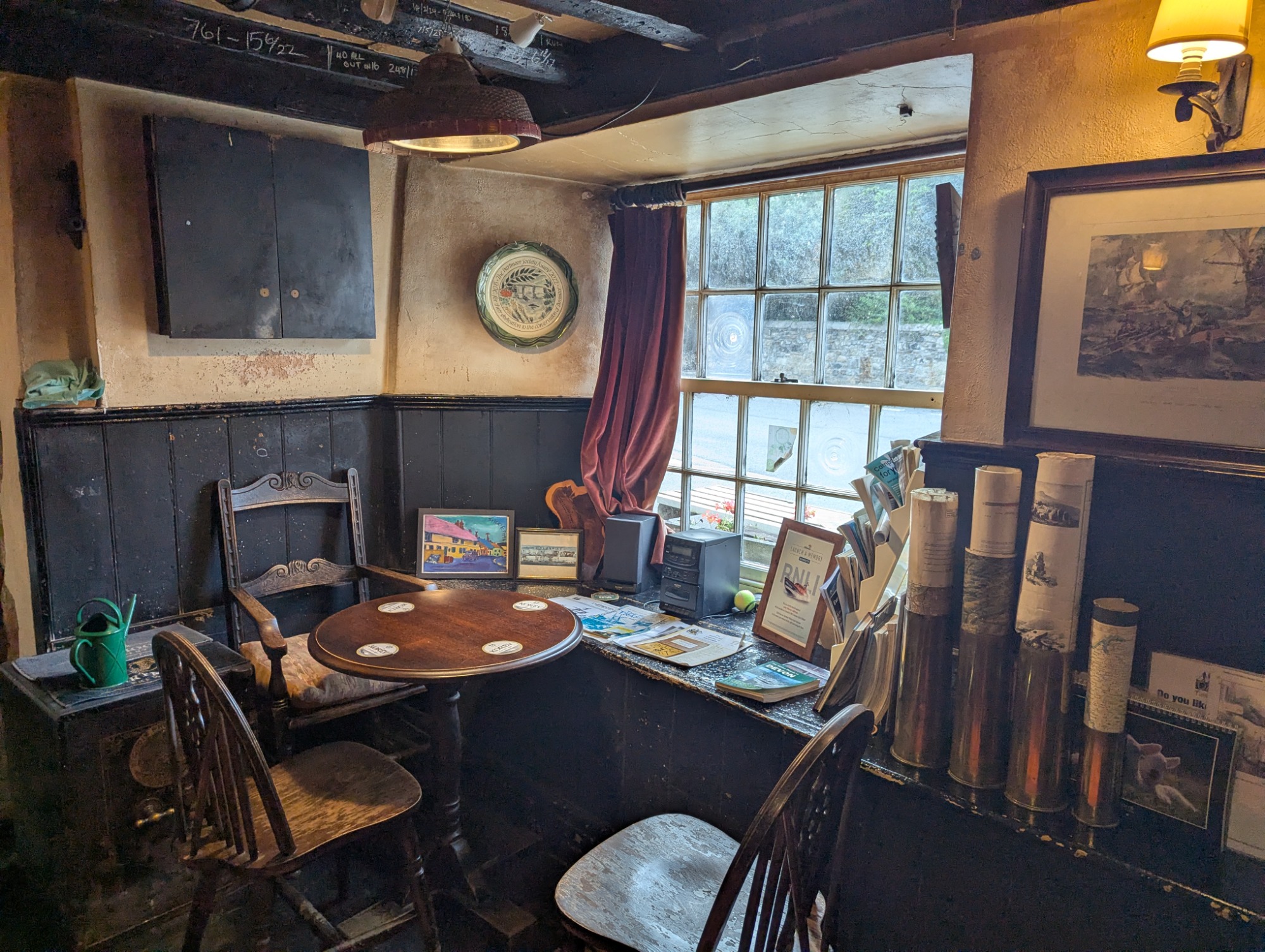
Inside, it is simply like stepping back in time. The pub is filled with fascinating old memorabilia and has a wonderful, authentic old-world charm. It’s a proper pub, the kind where time seems to have stood still.
We had a splendid pint of 'Muck and Straw' and another of 'Bang On', and the landlady was just amazing. She is a lovely, friendly lady who was happy to share the story of the pub, and it was clear she truly knew her ales.
It is most definitely worth the visit. They simply don't make pubs like this anymore.
P&P
Background....
Origins: The building is a Grade II Listed Building and dates back to the 17th century (with some sources suggesting parts may be as old as the 16th century). It was originally at the end of a row of Elizabethan cottages.
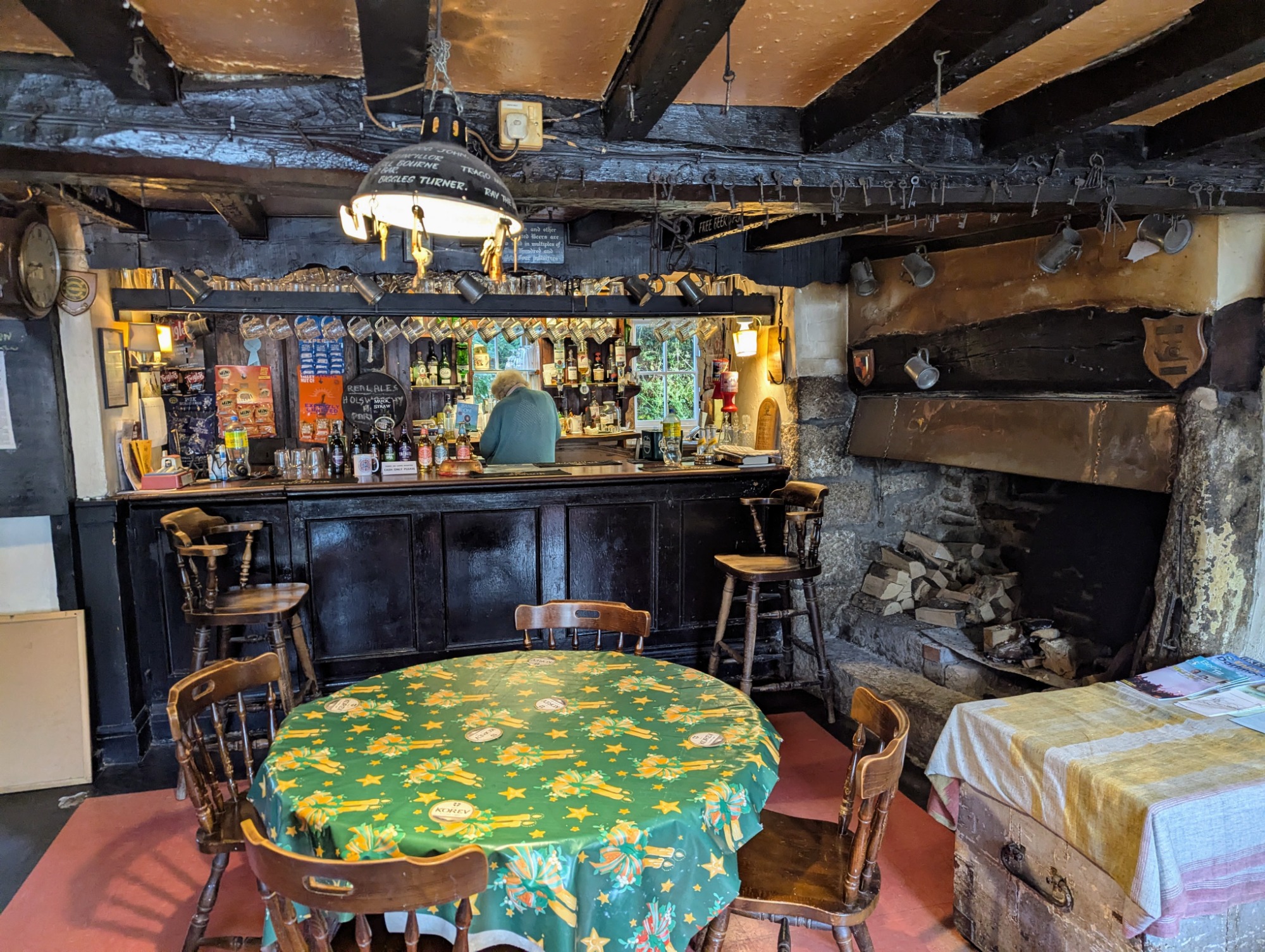
Historic Structure: The inn is built from plastered stone rubble and features a traditional thatched roof. Inside, it retains many historic features, including a large old stone fireplace with a copper hood and a log fire.
Evolution of the Pub: The layout you see today has evolved over time.
For most of its history, the inn did not have a bar counter. Beer was fetched directly from the cellar. A proper bar counter was only installed in the 1950s, and it is believed to have come from a pub in Plymouth.
Until the 1970s, the pub had separate rooms (a Main Bar and a Saloon) accessible from an inner porch. The layout was later opened up to create the space you see today.
In the 1980s, the pub was expanded by purchasing the adjoining cottage on the right, which now forms a third room.
Traditional Character: The Devonshire Inn is famous for being one of the most traditional and "unspoilt" pubs in the region. It is highly regarded by CAMRA (the Campaign for Real Ale) for its authentic atmosphere, which feels like a step back in time. It famously operates on traditional lines, often cooking pub snacks like pasties on a classic Aga cooker rather than using a microwave.
Location in Sticklepath: The inn has been a central part of village life for centuries. Sticklepath itself was on the main historic route west from Exeter to Cornwall, making the inn a vital stopping point for travellers. It is located very close to the National Trust's Finch Foundry, another historic heart of the village.
Location

Find us on YouTube