
Double Locks
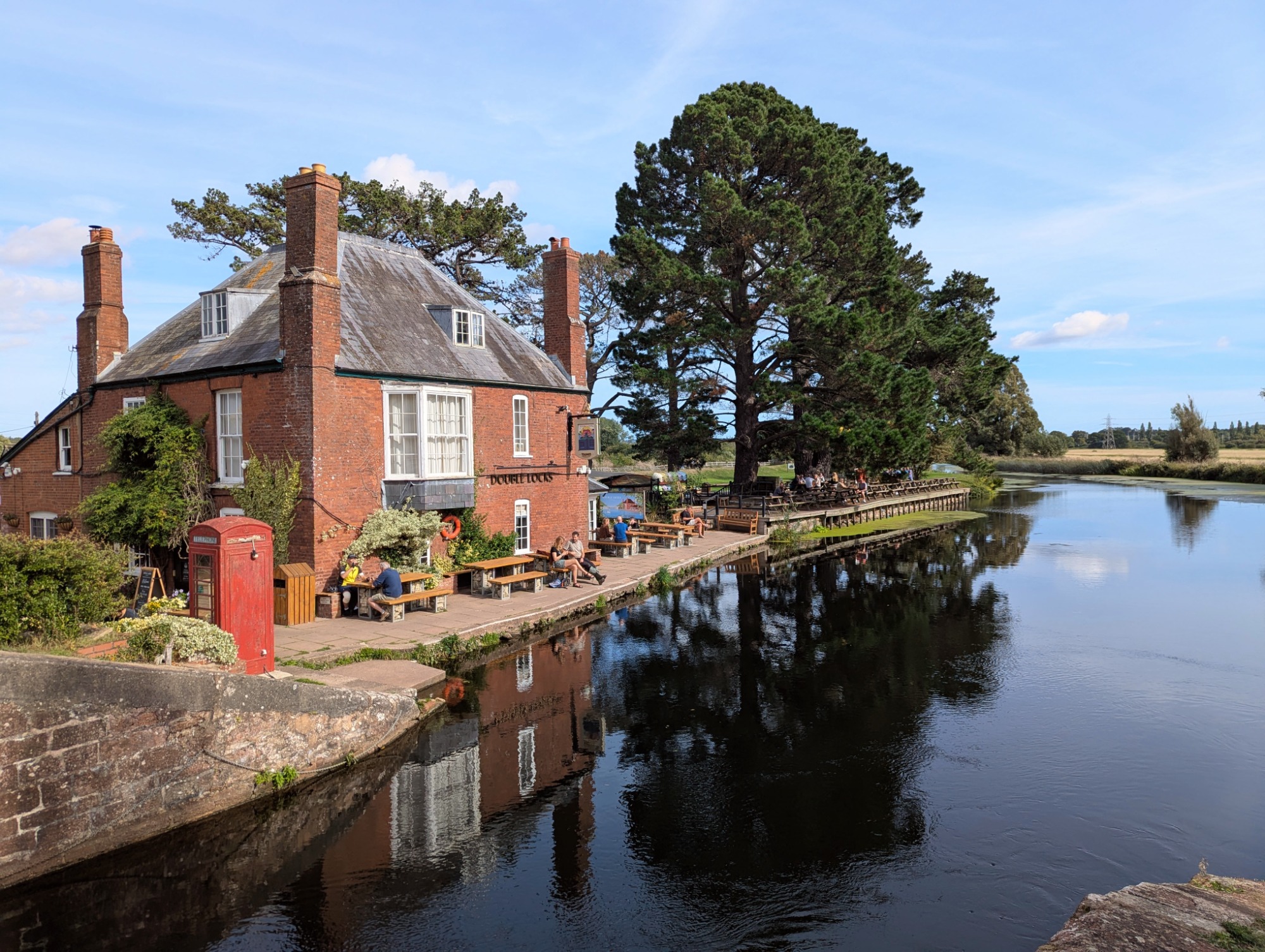
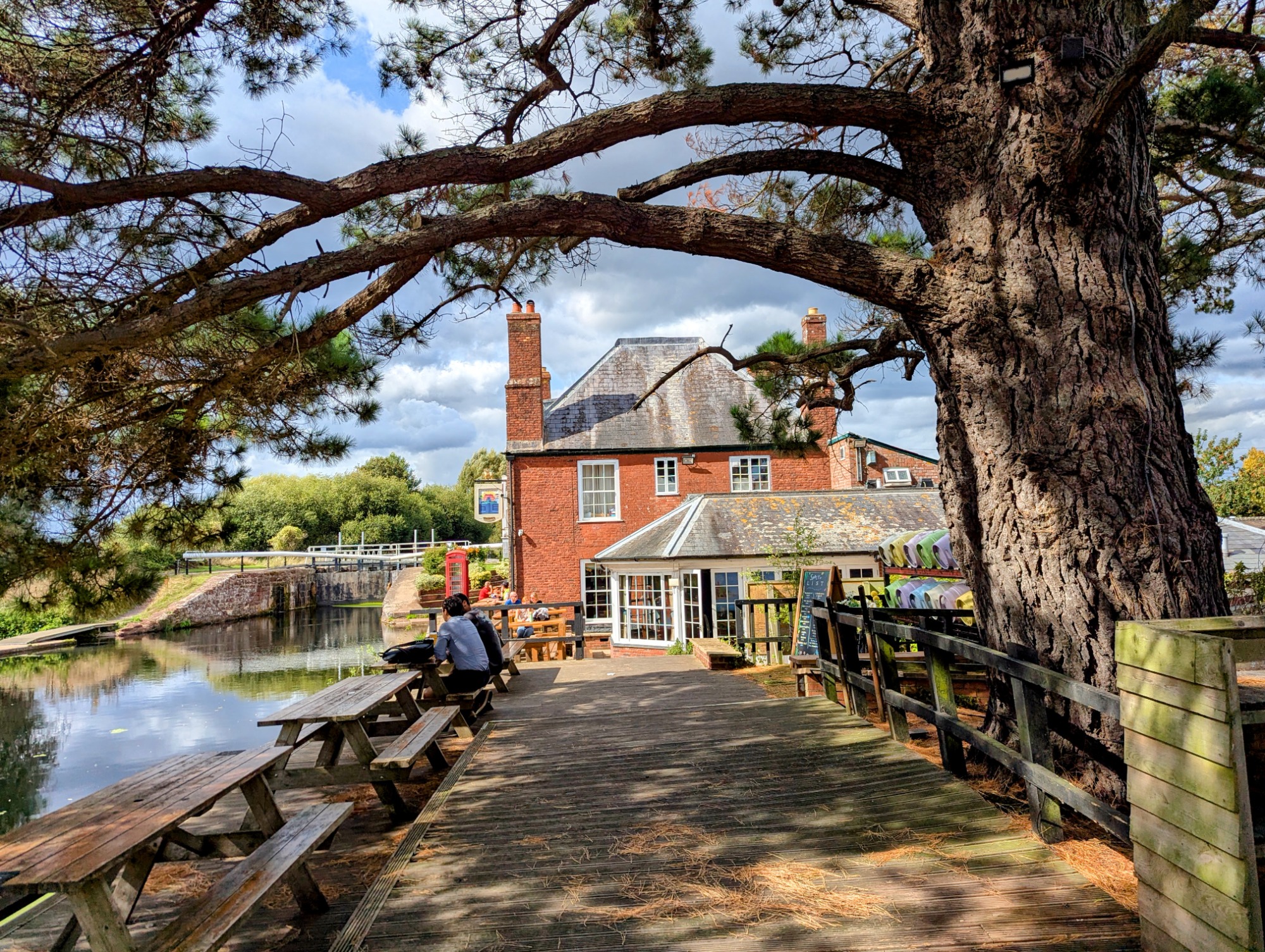
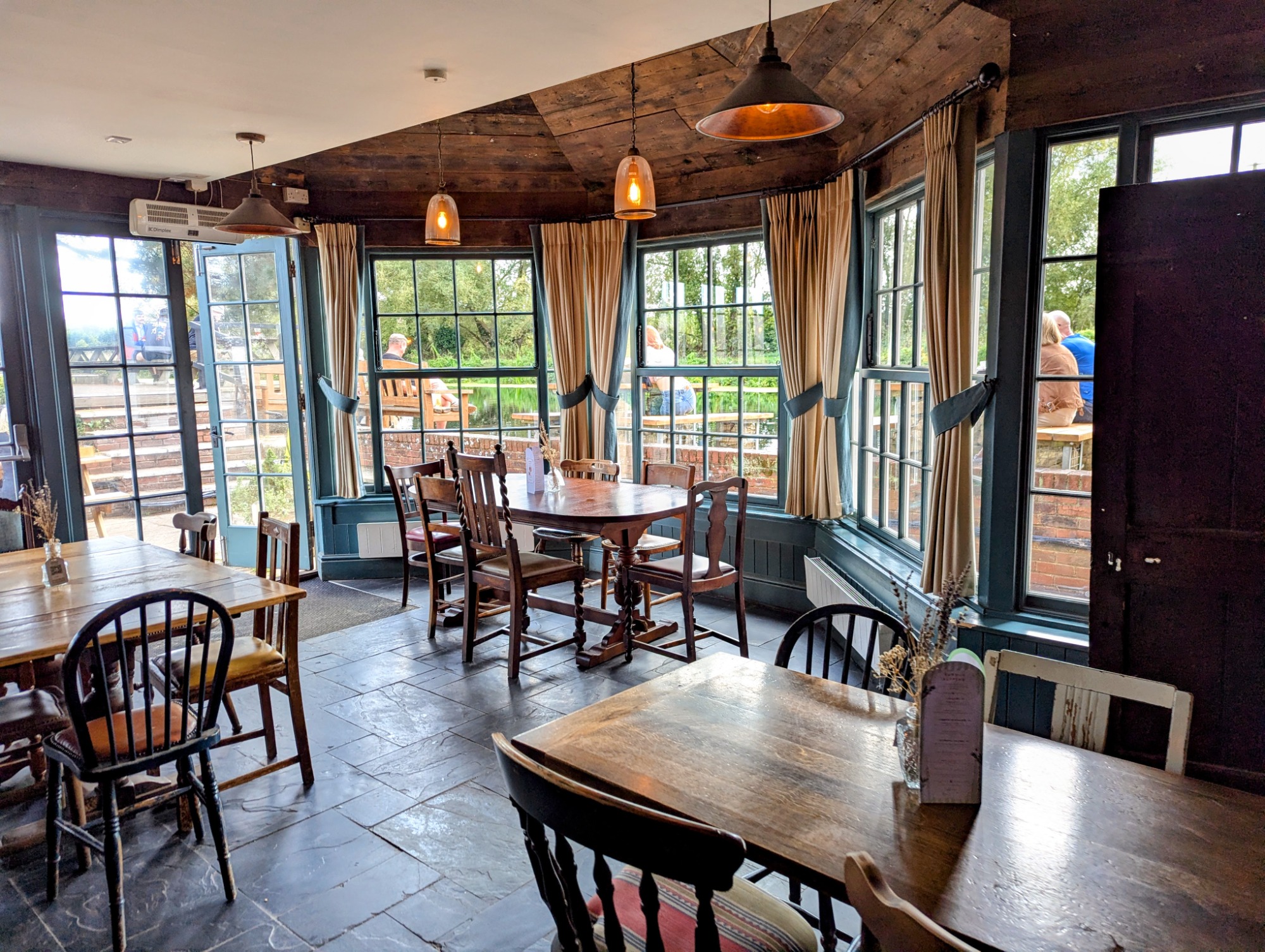
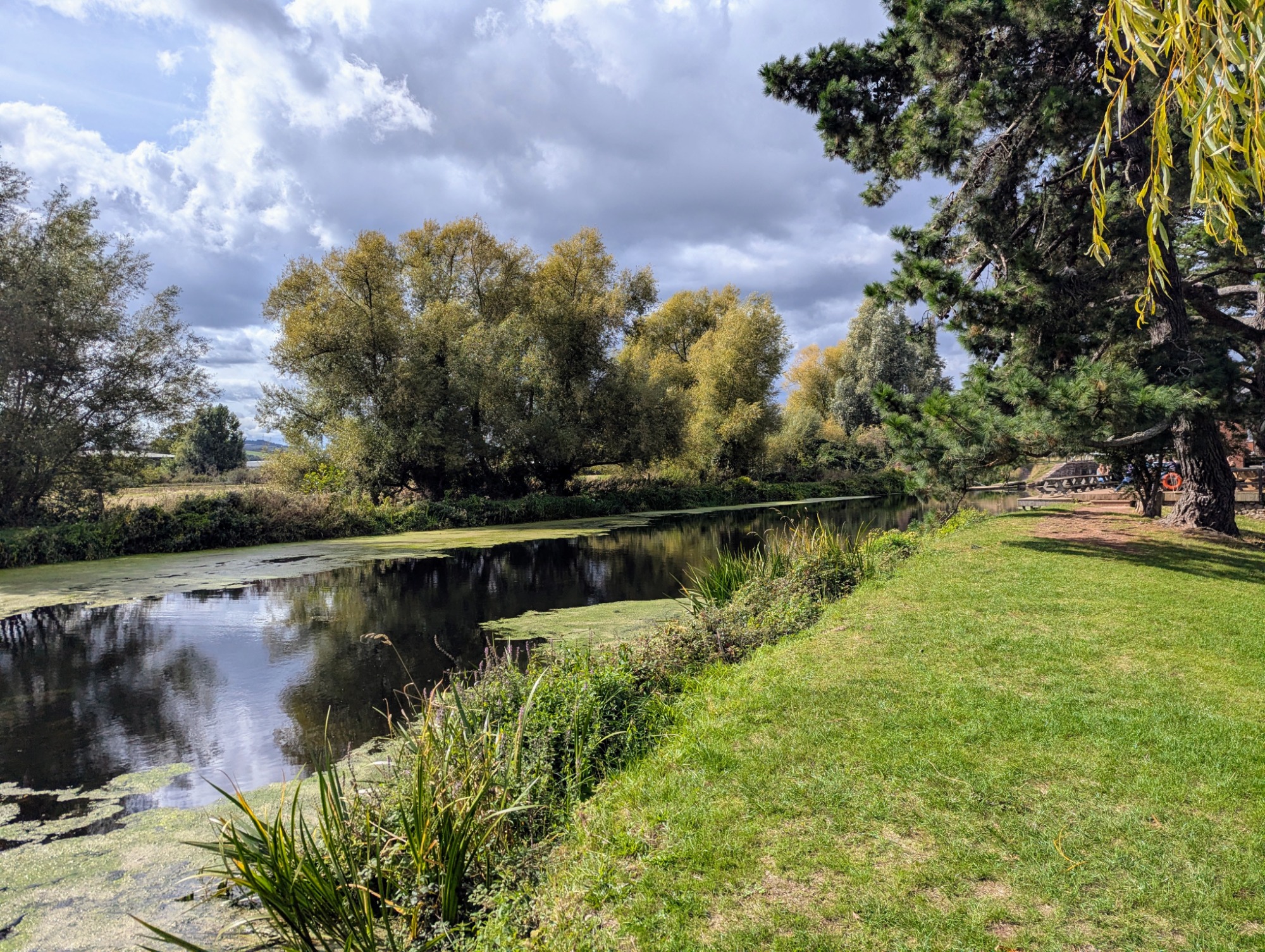
Discovering the Double Locks on the Exeter Ship Canal was the highlight of our day! This place is an absolute gem, perfectly nestled on the beautiful banks of the canal with a wonderfully relaxing vibe.
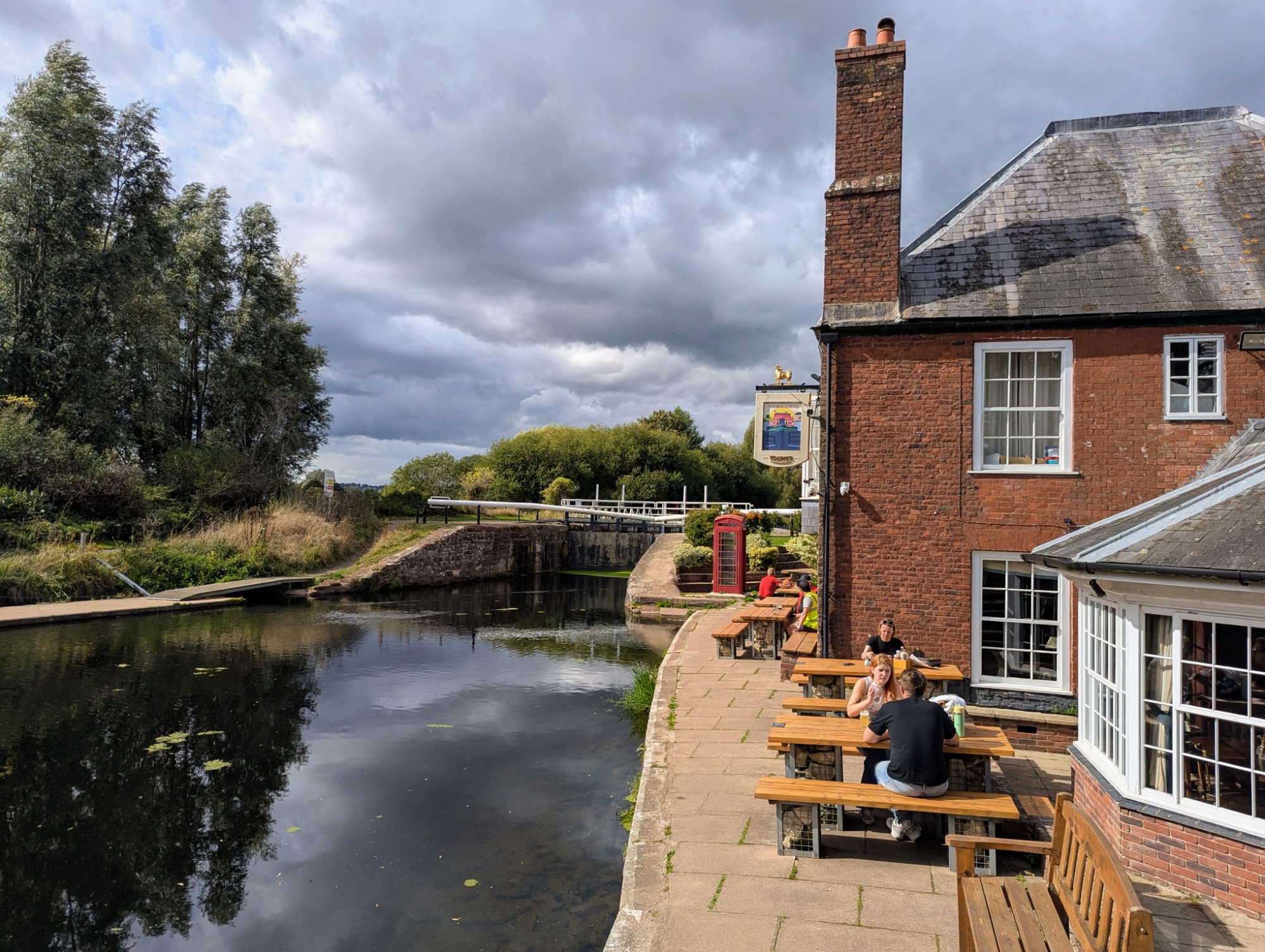
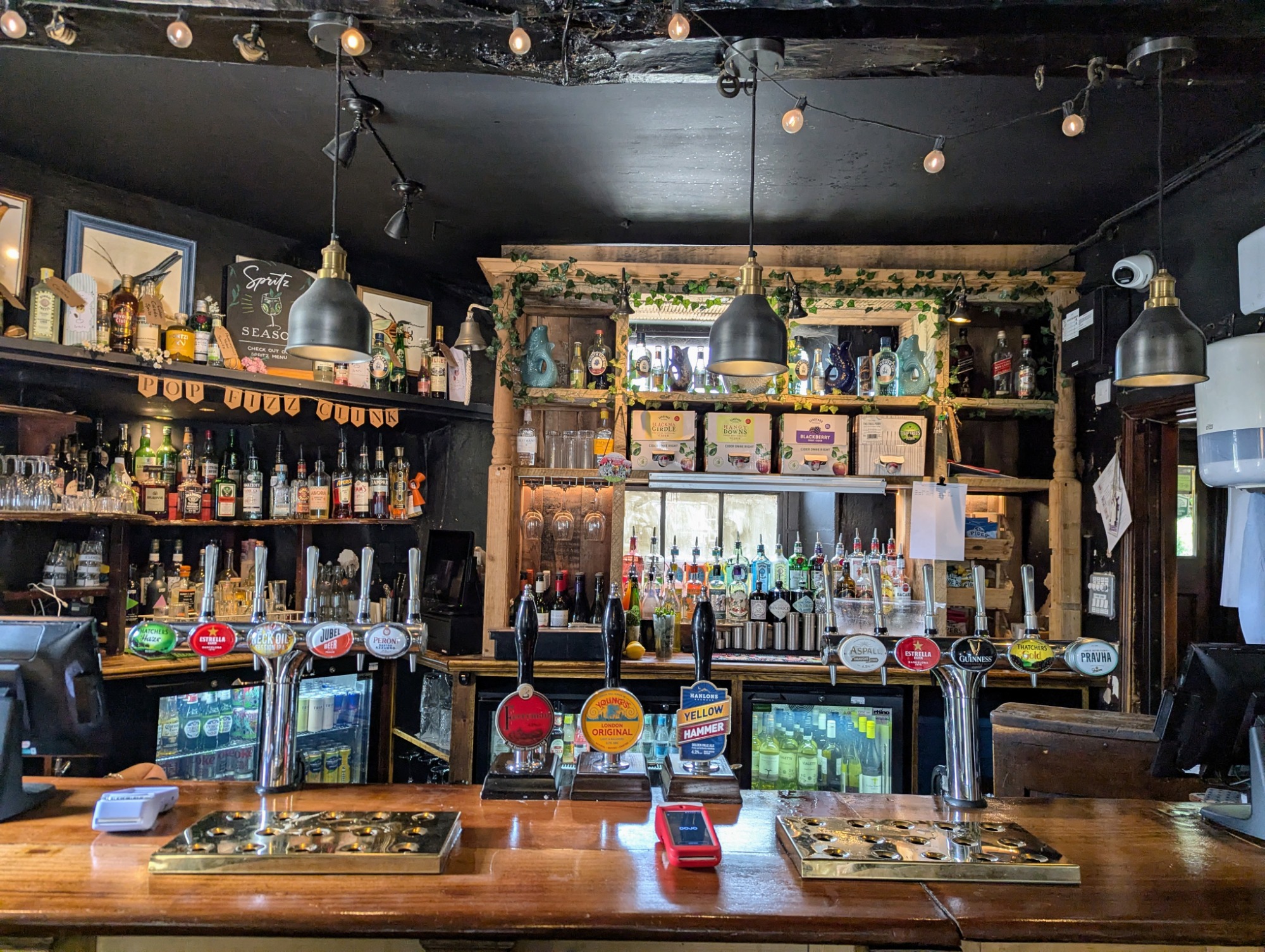
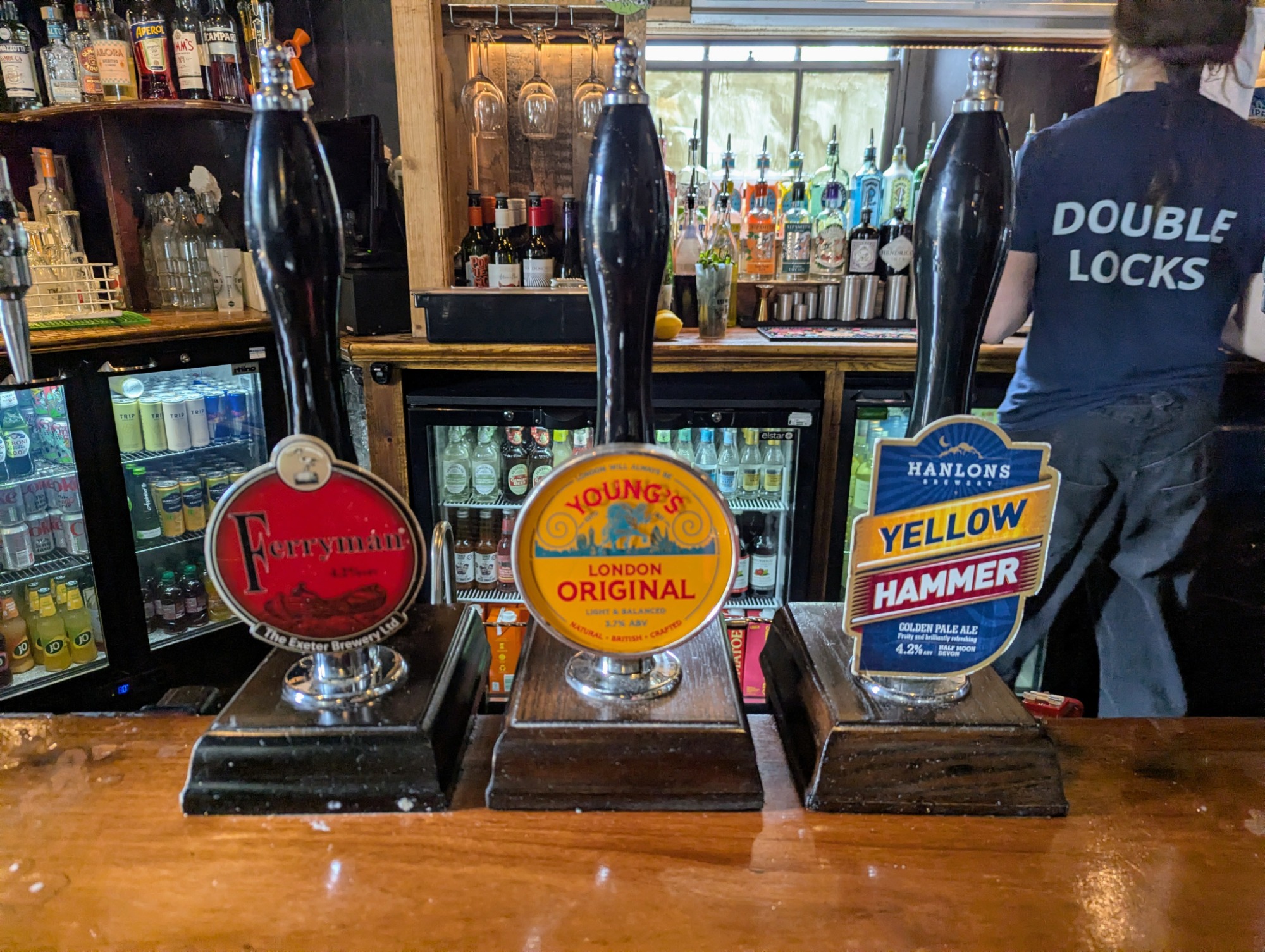
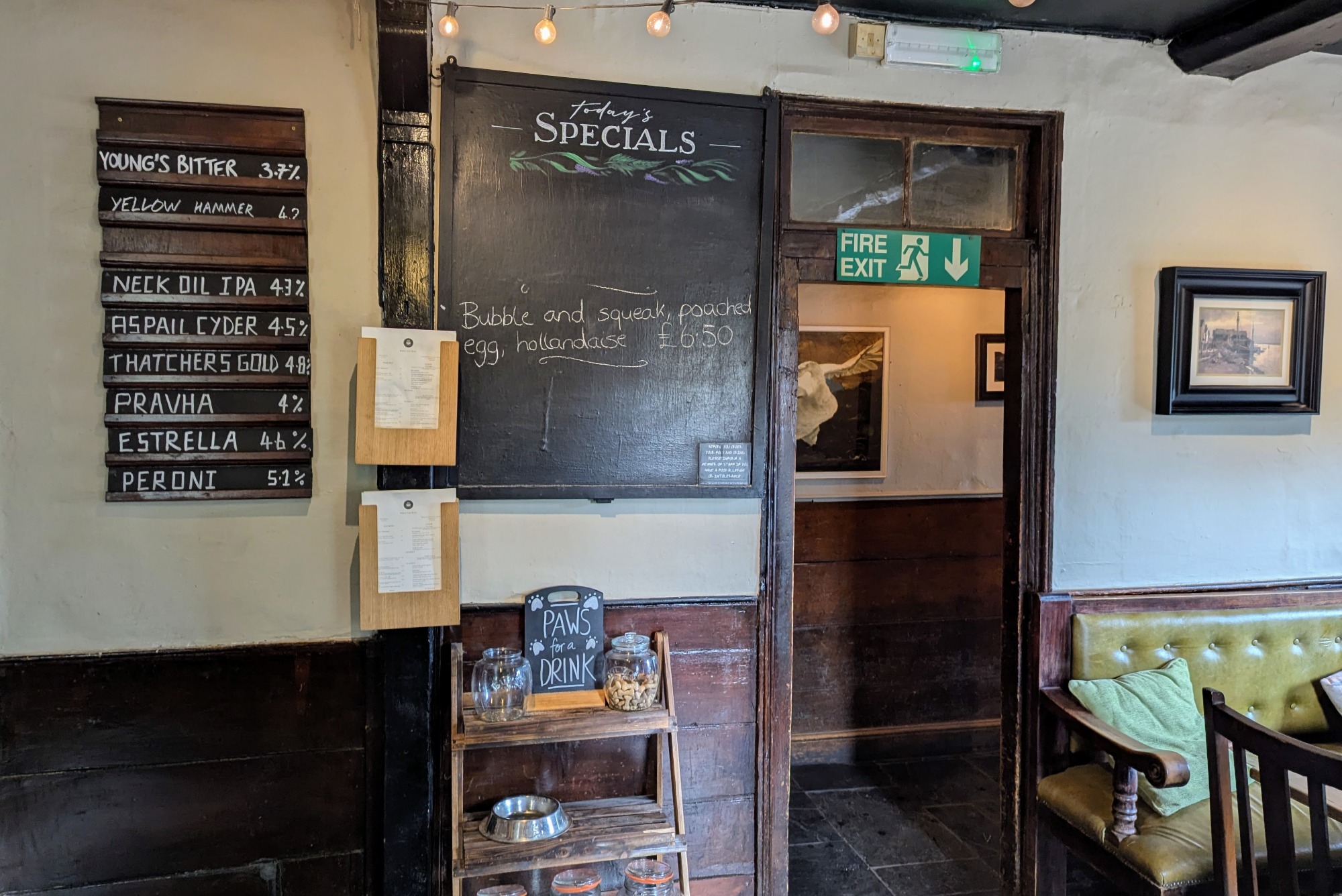
There's nothing quite like sitting right by the water's edge, watching the world go by. We enjoyed a superb pint of Ferryman Ale and a classic Yellow Hammer Ale, and honestly, it’s the best way to spend an afternoon. The views of the lock and gorgeous countryside are stunning, and you instantly feel yourself unwind.
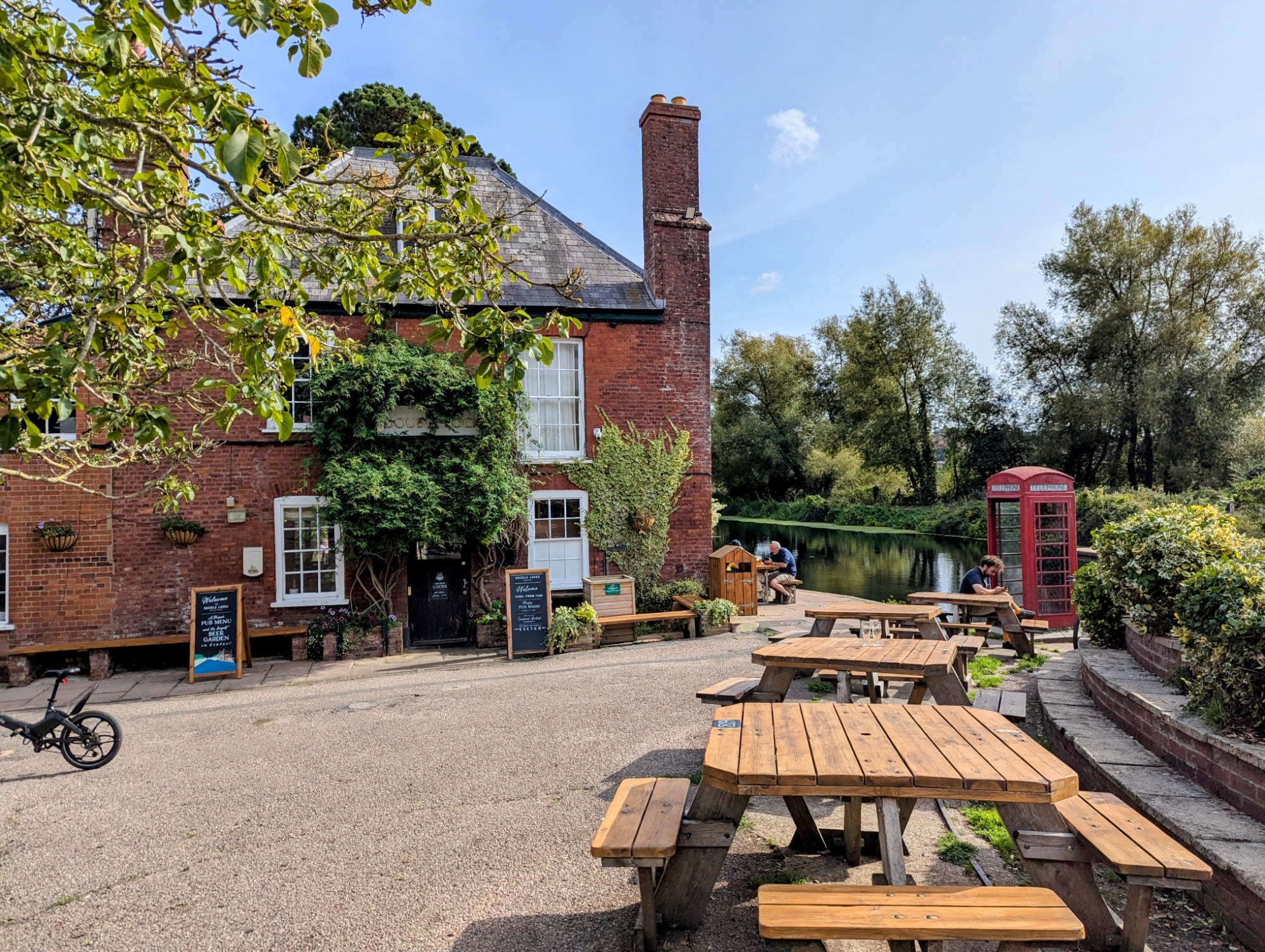
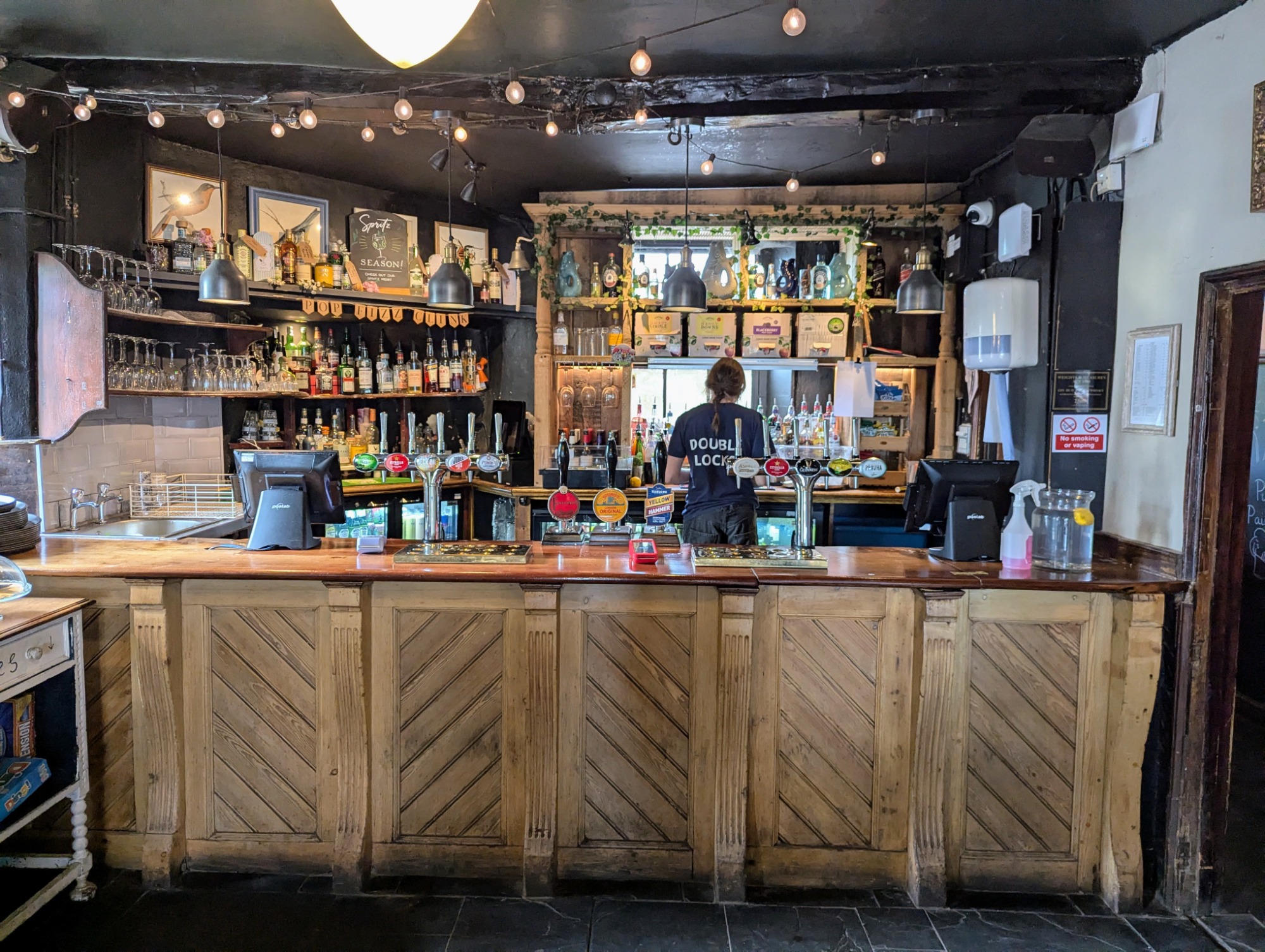
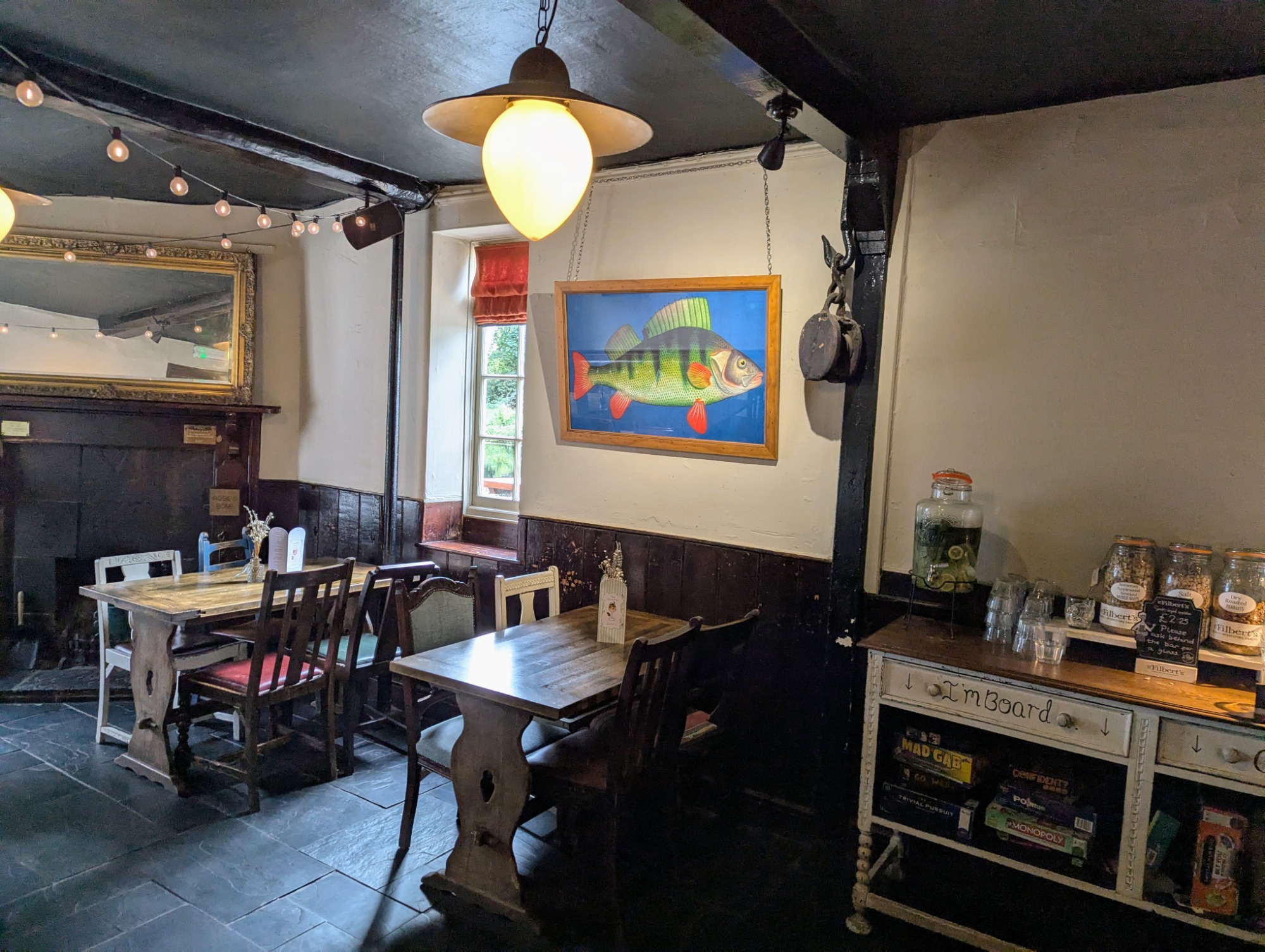
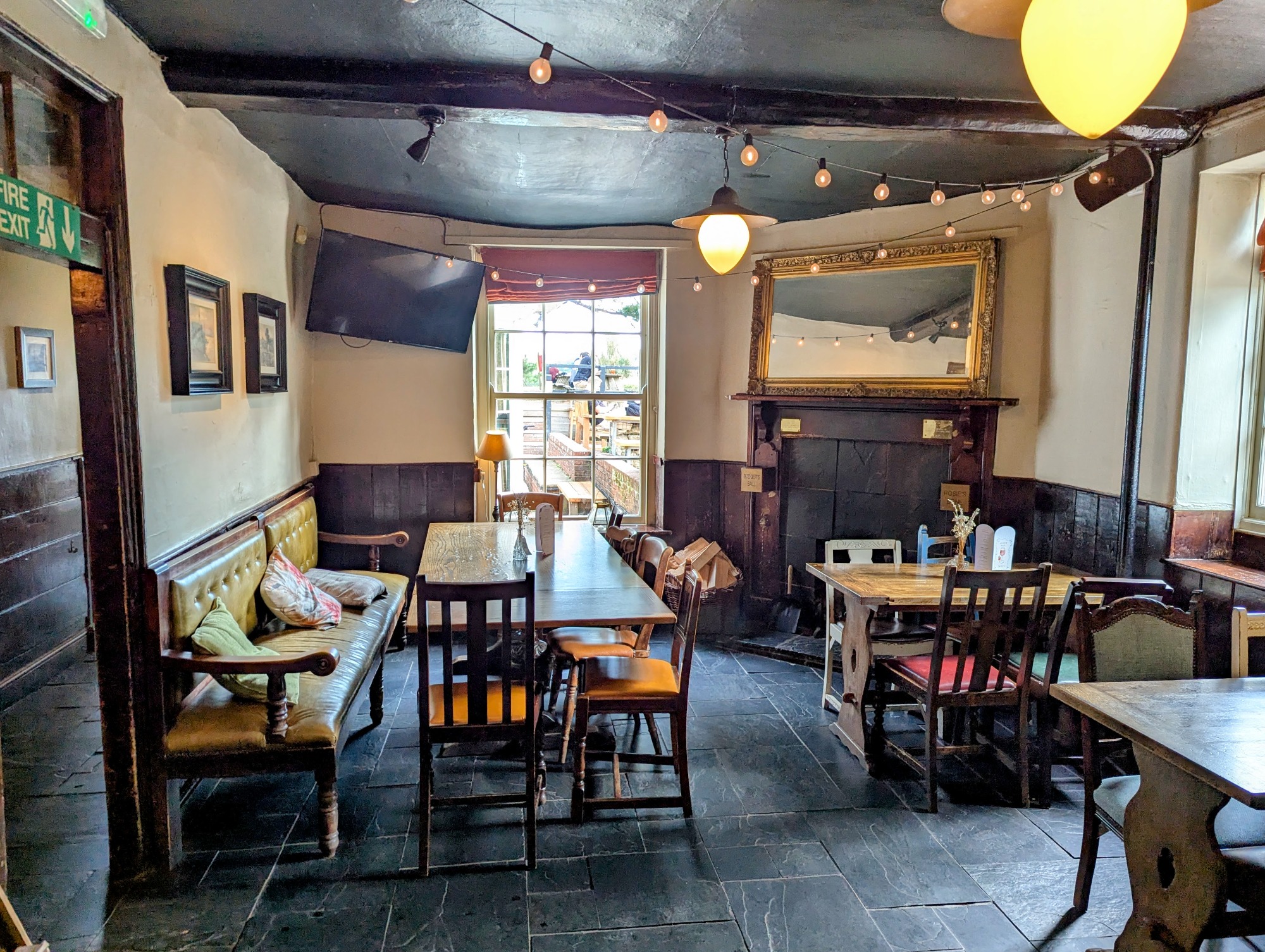
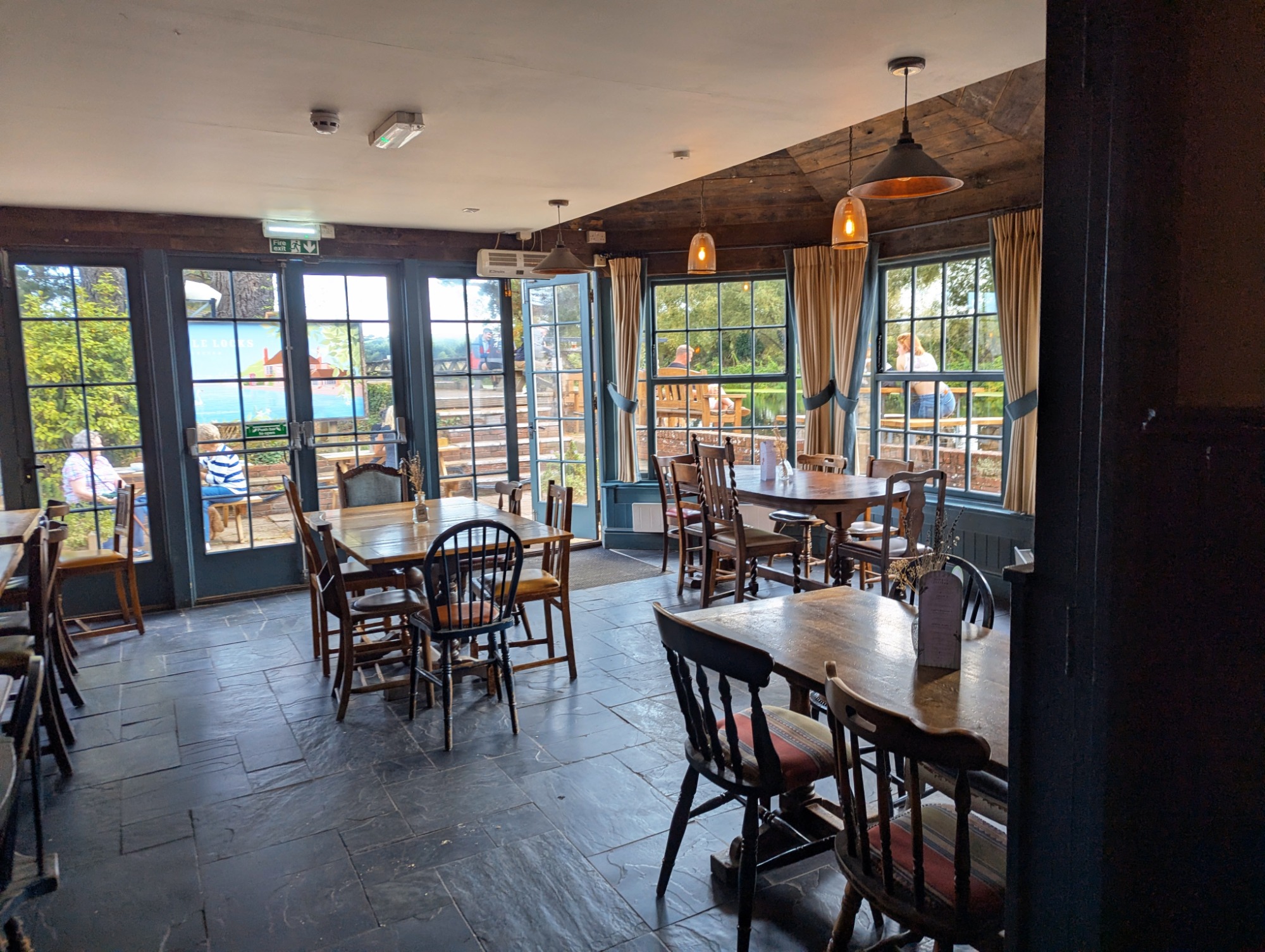
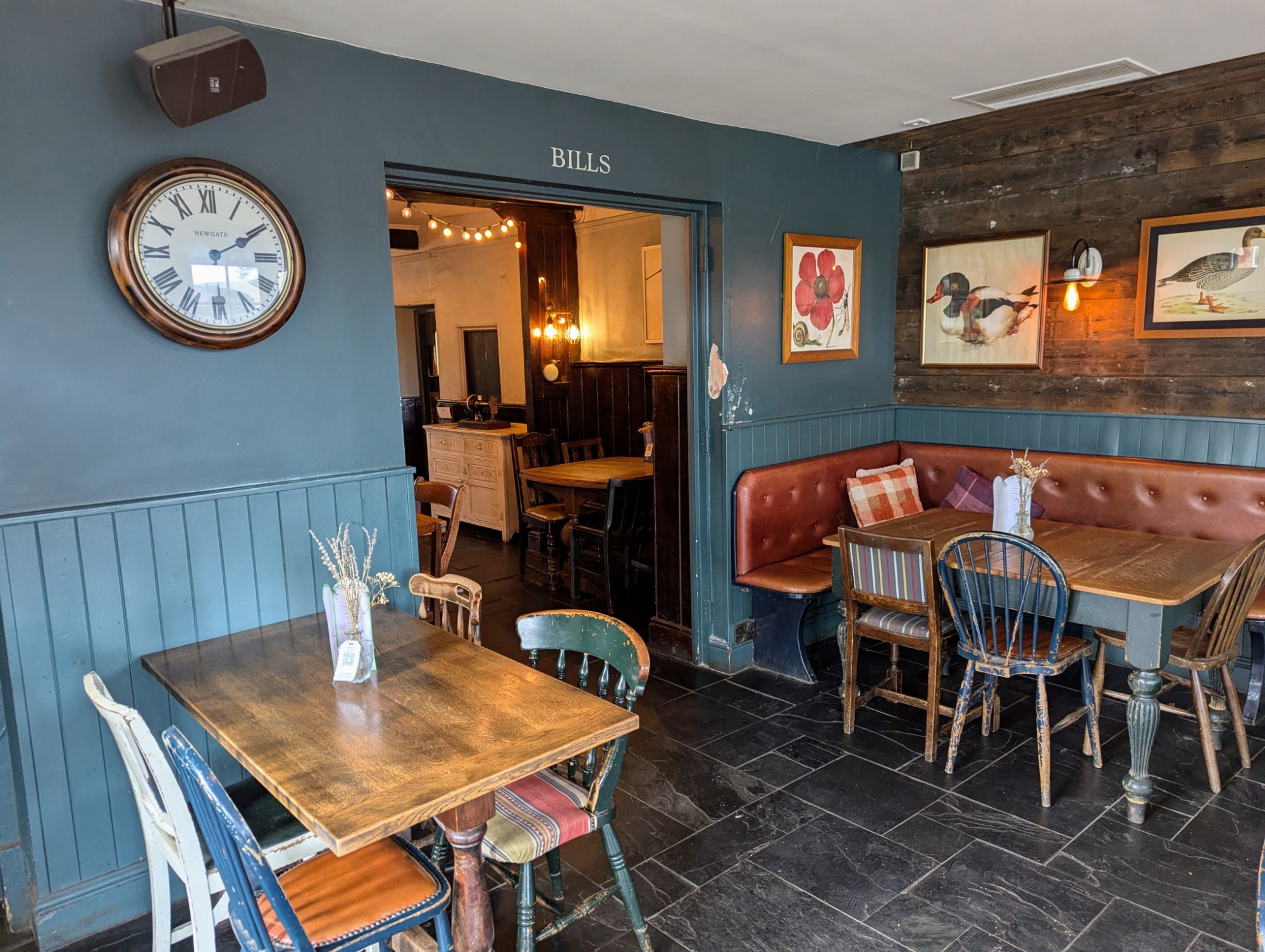
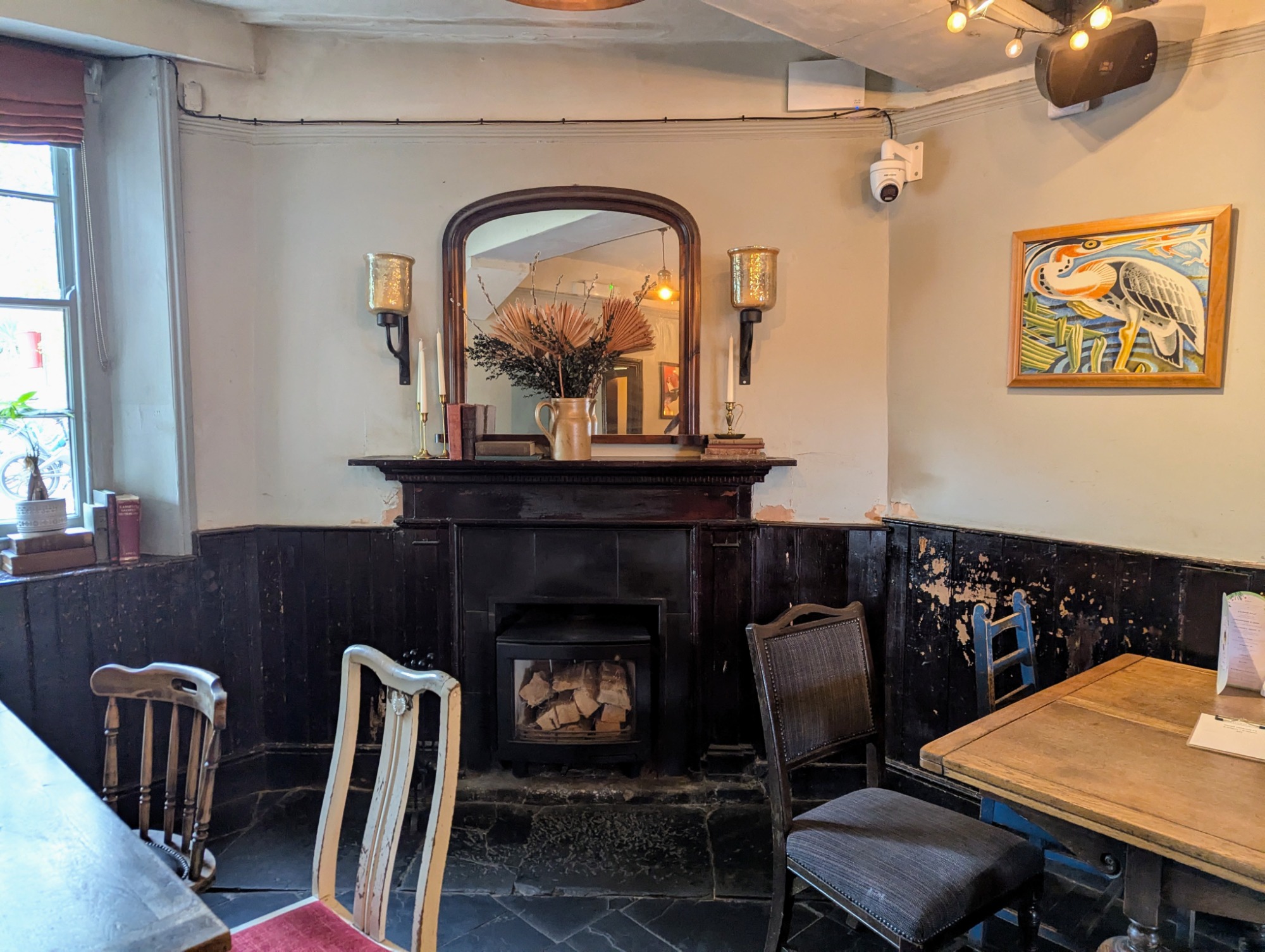
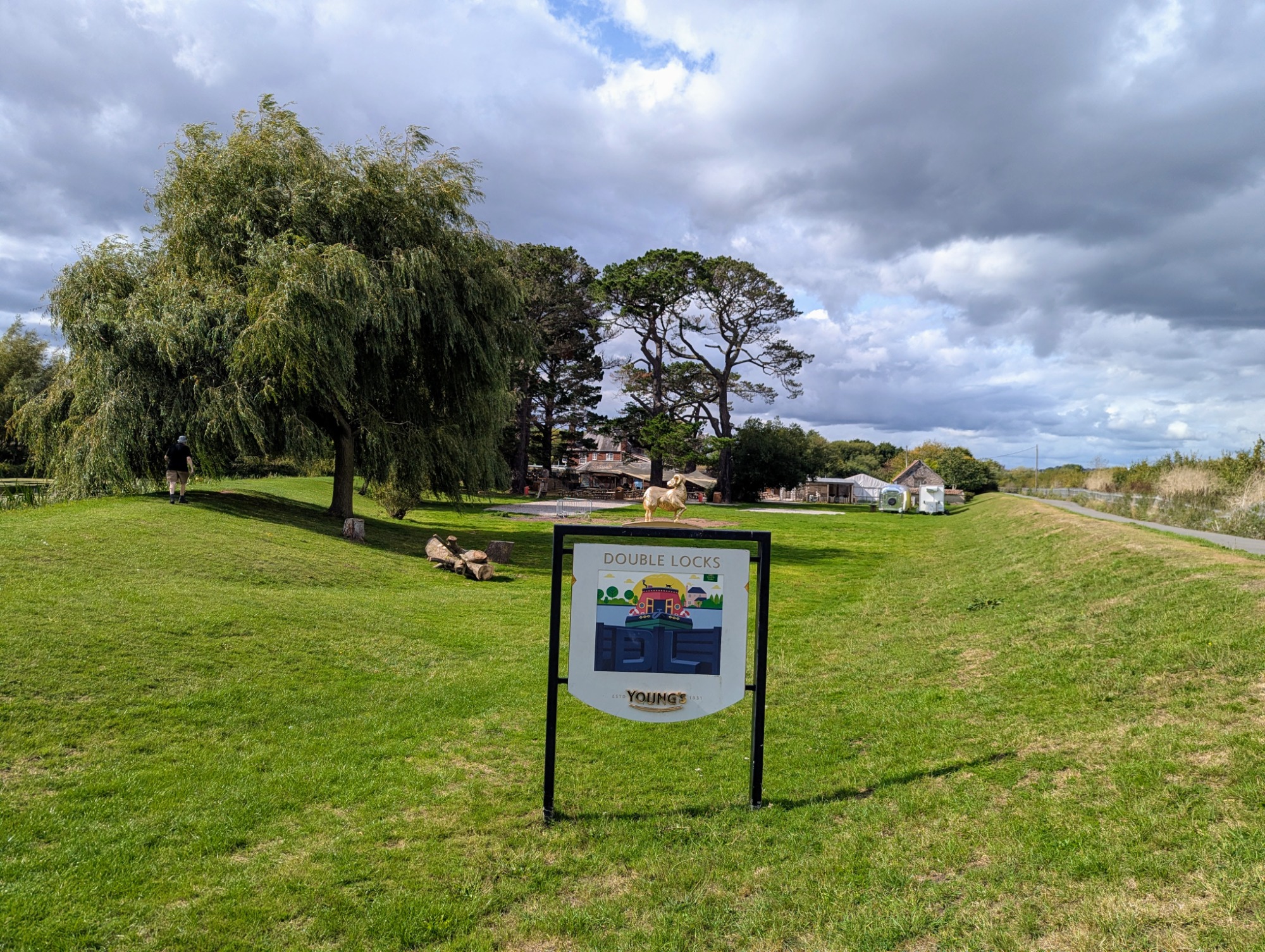
The pub has a lovely, welcoming feel with tons of outdoor seating to soak up the sun. To top it all off, the friendly staff and on a sunny day, there is honestly no better place to be – you’ll find you simply don’t want to leave. We can't wait to go back.
P&P
Background....
The Double Locks Pub & Exeter Ship Canal: A Story Forged in History
Discover the intertwined histories of one of Britain's oldest waterways, the Exeter Ship Canal, and its most cherished landmark, the Double Locks pub. Their story is a 450-year journey of civic defiance, pioneering engineering, and remarkable transformation.
A Canal Forged in Defiance
Exeter once owed its prosperity to the River Exe, with sea vessels sailing directly to the city walls. However, in the 13th and 14th centuries, the powerful Earls of Devon built a series of weirs, blocking the river to protect their own interests and effectively holding the city's trade hostage at their quay in Topsham.
After 250 years of failed petitions, Exeter's merchants took matters into their own hands. In 1566, they funded the construction of a canal to bypass the weirs, a radical act of defiance that predated Britain's "canal mania" by two centuries. Engineered by John Trew, this waterway featured the first pound locks ever built in Britain, a revolutionary technology that allowed boats to navigate different water levels.
A Golden Age of Trade
Over the next 250 years, the canal was repeatedly widened, deepened, and extended, culminating in the 1820s with an extension to a new sea entrance at Turf Lock. These upgrades allowed ever-larger, ocean-going ships to sail directly to Exeter's quay, ushering in a golden age of trade. The city became a bustling port, exporting its famous woollen cloth and importing wine, spices, timber, and coal from across Europe.
The Double Locks: From Cottage to Community Hub
The story of the Double Locks pub begins in 1701 when it was built as a simple cottage for the keeper of the canal's new, enlarged lock. Its very walls tell the story of this international trade; it was constructed from small Dutch bricks that had been used as ballast in the ships returning from Holland after delivering Exeter's wool.
By the 1820s, the cottage was rebuilt into the more substantial inn we see today, complete with stables to house the horses that towed large ships along the newly created towpaths. It quickly became a popular destination for locals, a welcome resting place for those strolling the canal banks, and the scene of a rich and sometimes dramatic history, including a fatal lightning strike in 1852 and a macabre discovery of human remains in 1939.
A Modern Renaissance
The arrival of the railways in 1844 marked the beginning of the end for the canal's commercial life. The last commercial cargo was unloaded in 1973, and the waterway's 400-year era of trade came to a close.
However, as industry faded, a new purpose emerged. The canal and its towpaths were perfectly repurposed for leisure. Today, the Exeter Ship Canal is a vibrant recreational haven. The towpath forms a key part of the popular Exe Estuary Trail, bustling with walkers and cyclists. The water is alive with kayakers and paddleboarders, while the adjacent RSPB Exminster Marshes nature reserve makes it a paradise for birdwatchers.
The Double Locks has thrived in this new era. It stands as a quintessential country pub, its vast beer garden a perfect pit-stop for all who come to enjoy the beauty and tranquility of this historic waterway. The canal and the pub, born from commerce, have been reborn as the heart of Exeter's community life, their legacy of resilience and adaptation ensuring they remain cherished landmarks for generations to come

Find us on YouTube