
East Dart Inn
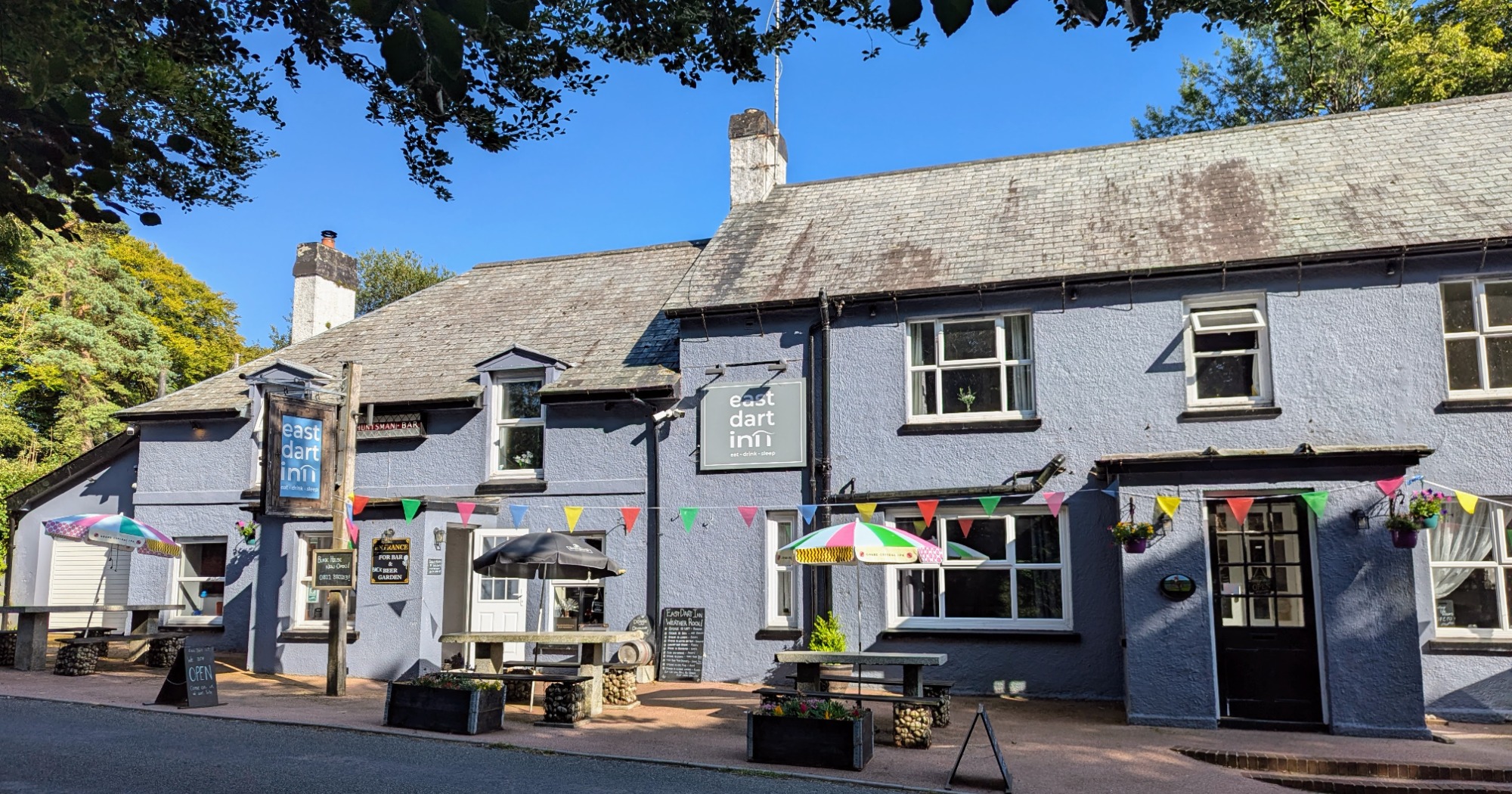
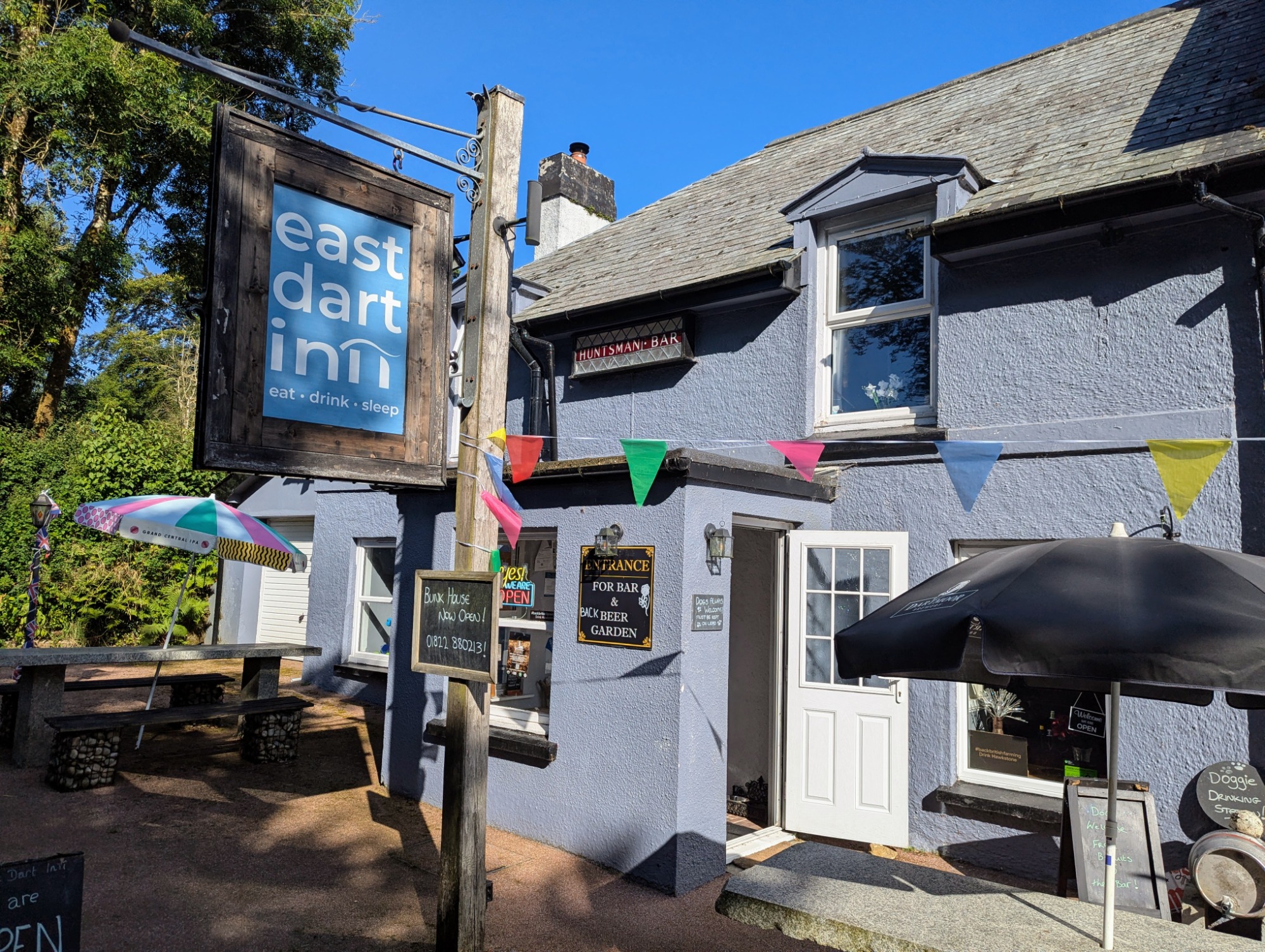
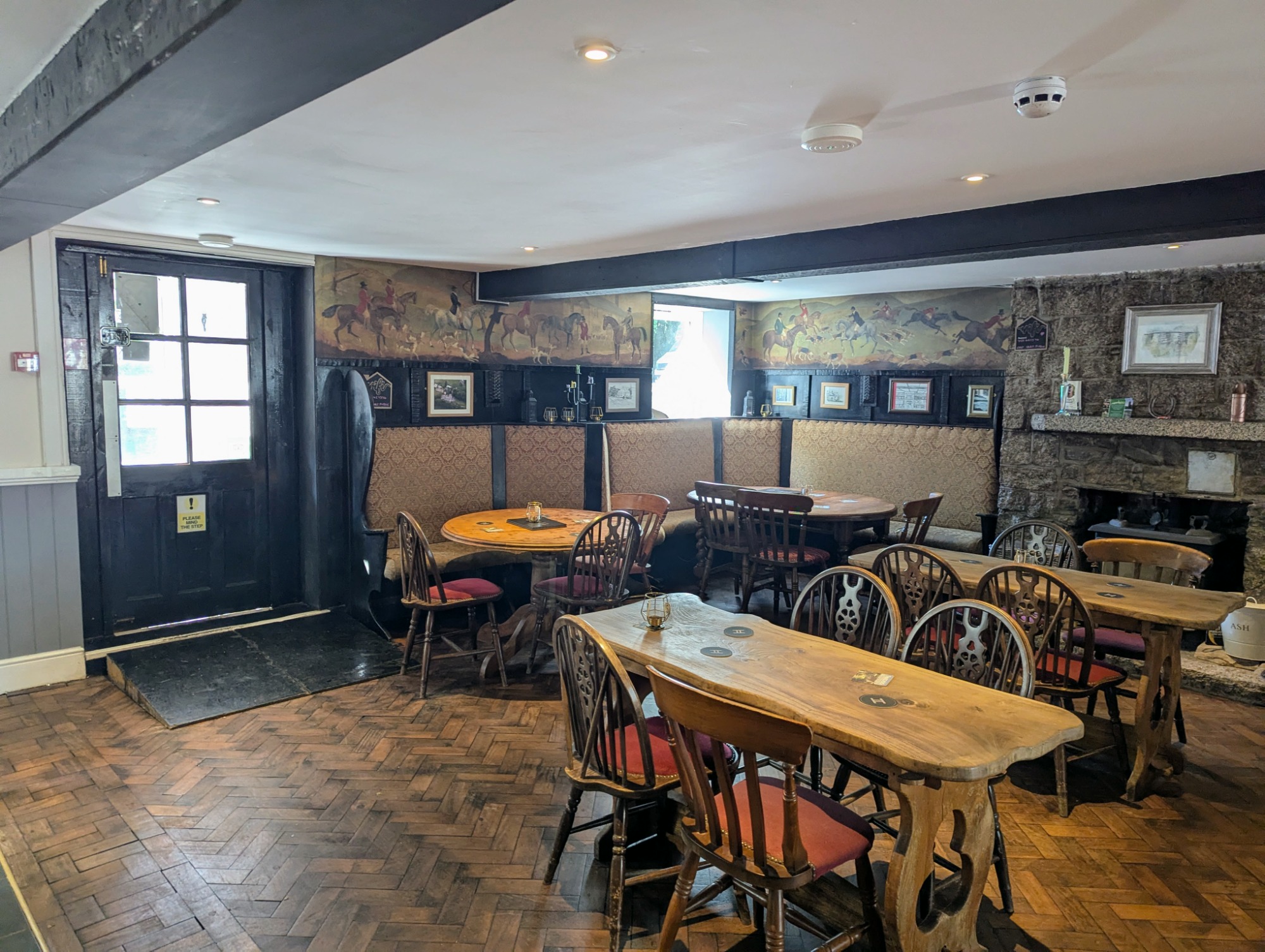
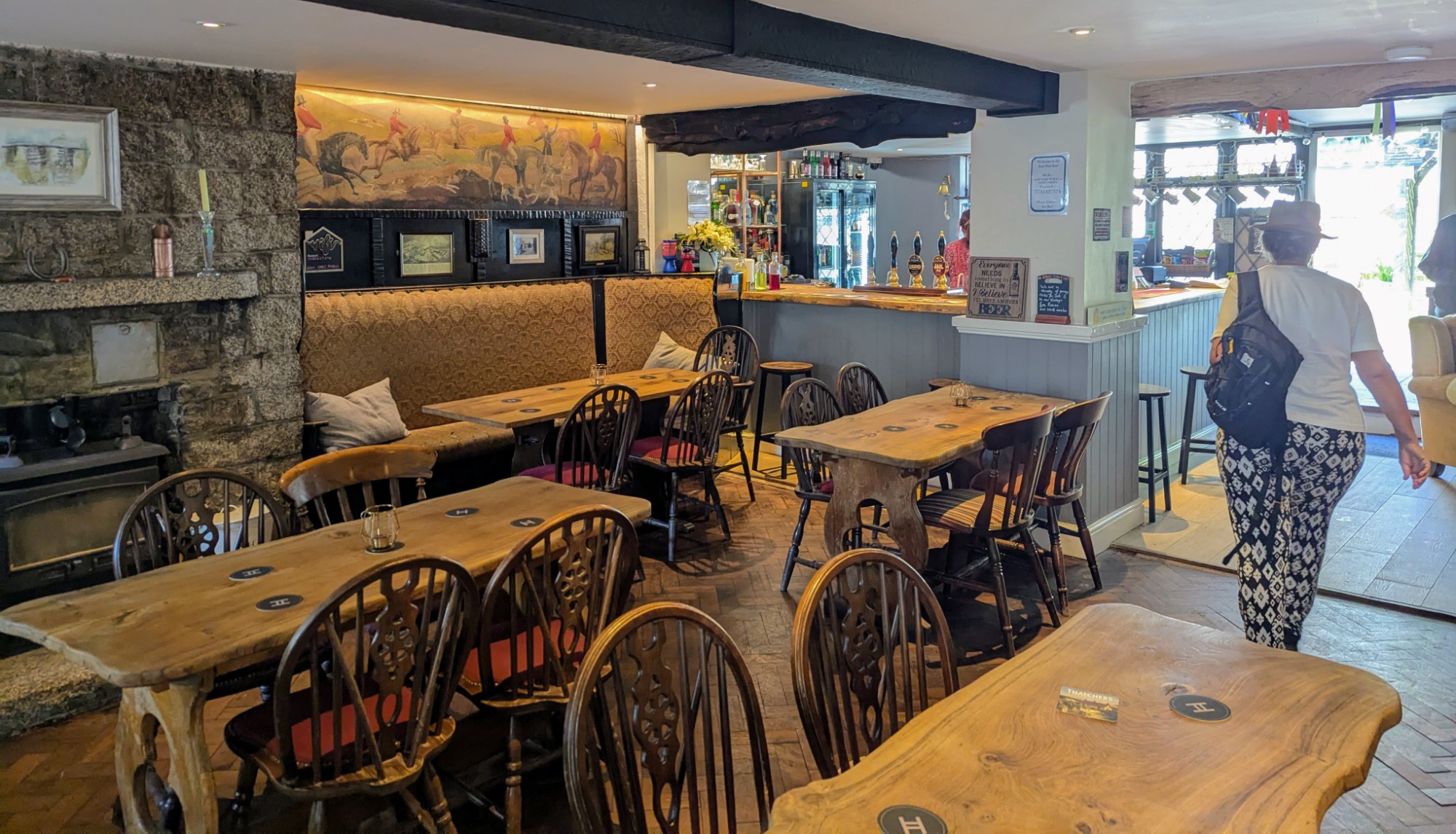
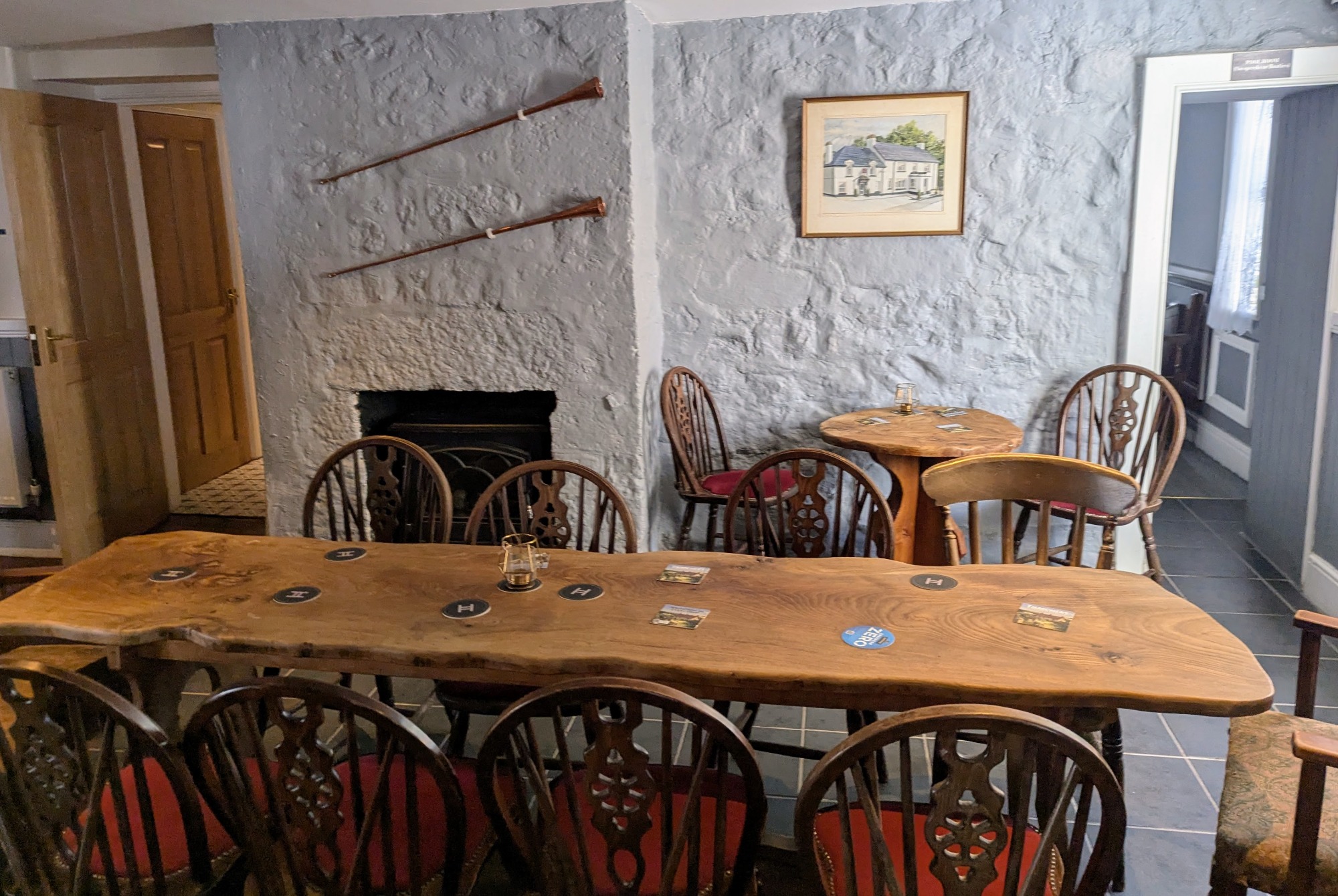
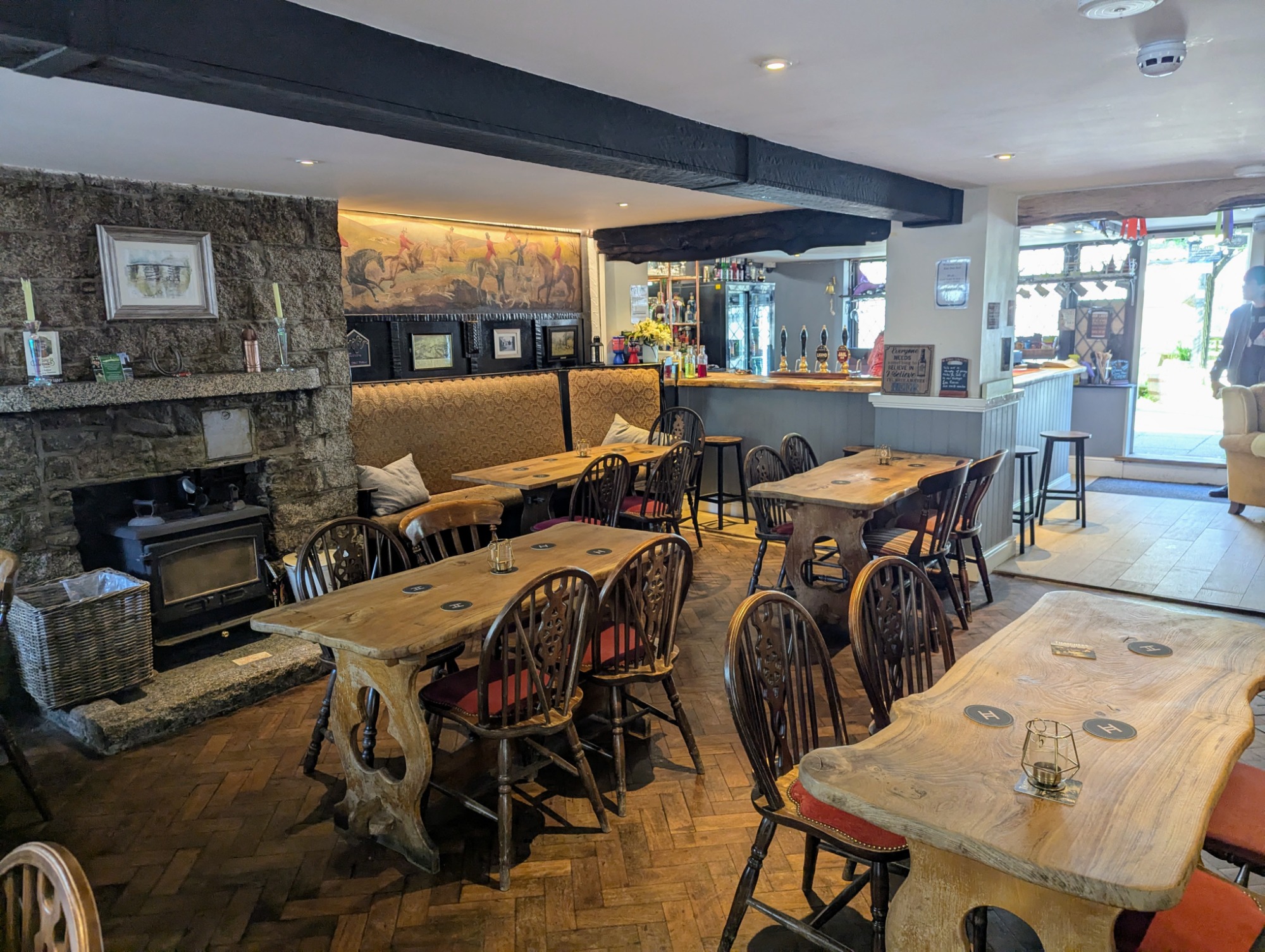
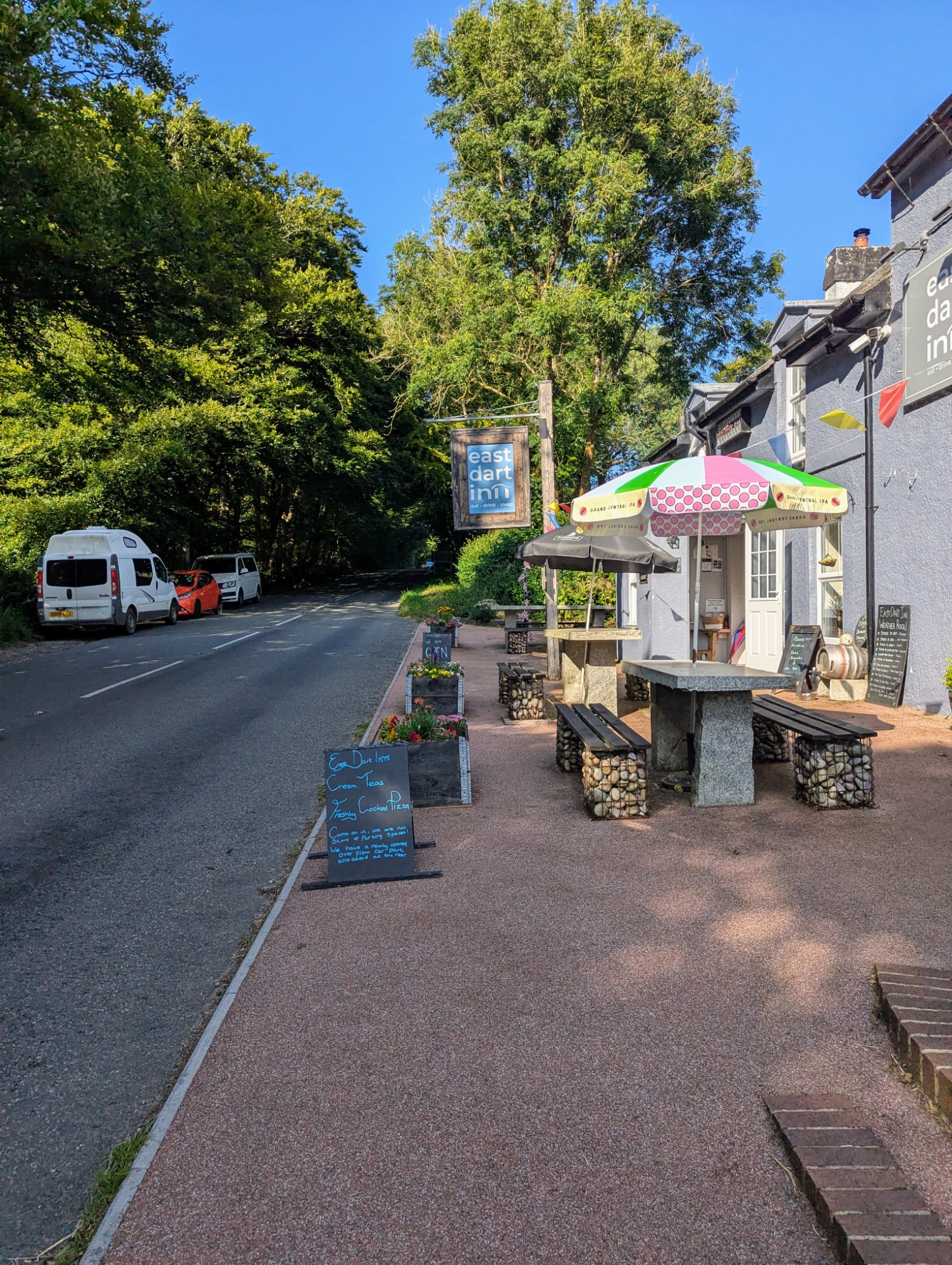
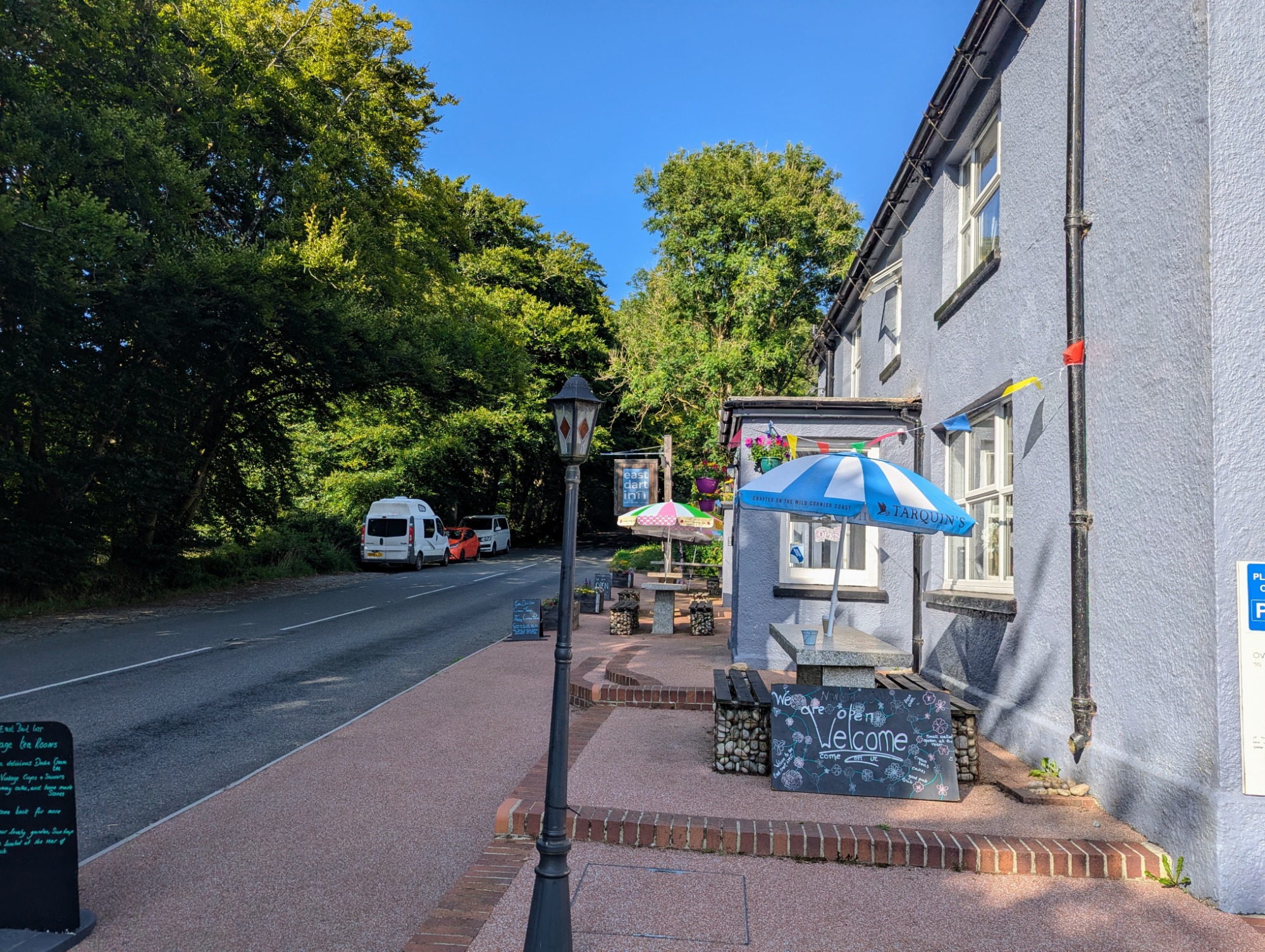
Nestled in the heart of Dartmoor, the East Dart Inn, Postbridge a true haven for walkers and hikers, offering a warm and welcoming retreat after a day of exploring. Step inside and you'll be charmed by the pub's traditional interior, where you're greeted by a cosy atmosphere and bright, exposed beams that add to its rustic character.
This pub takes its beer seriously, boasting an excellent selection of local brews on tap. We were thrilled to find options from both Powderkeg Brewery and the renowned Dartmoor Brewery. We opted for a crisp and refreshing "Speak Easy Pale Ale" and a classic "Legend" from Dartmoor Brewery, both perfect choices to relax with.
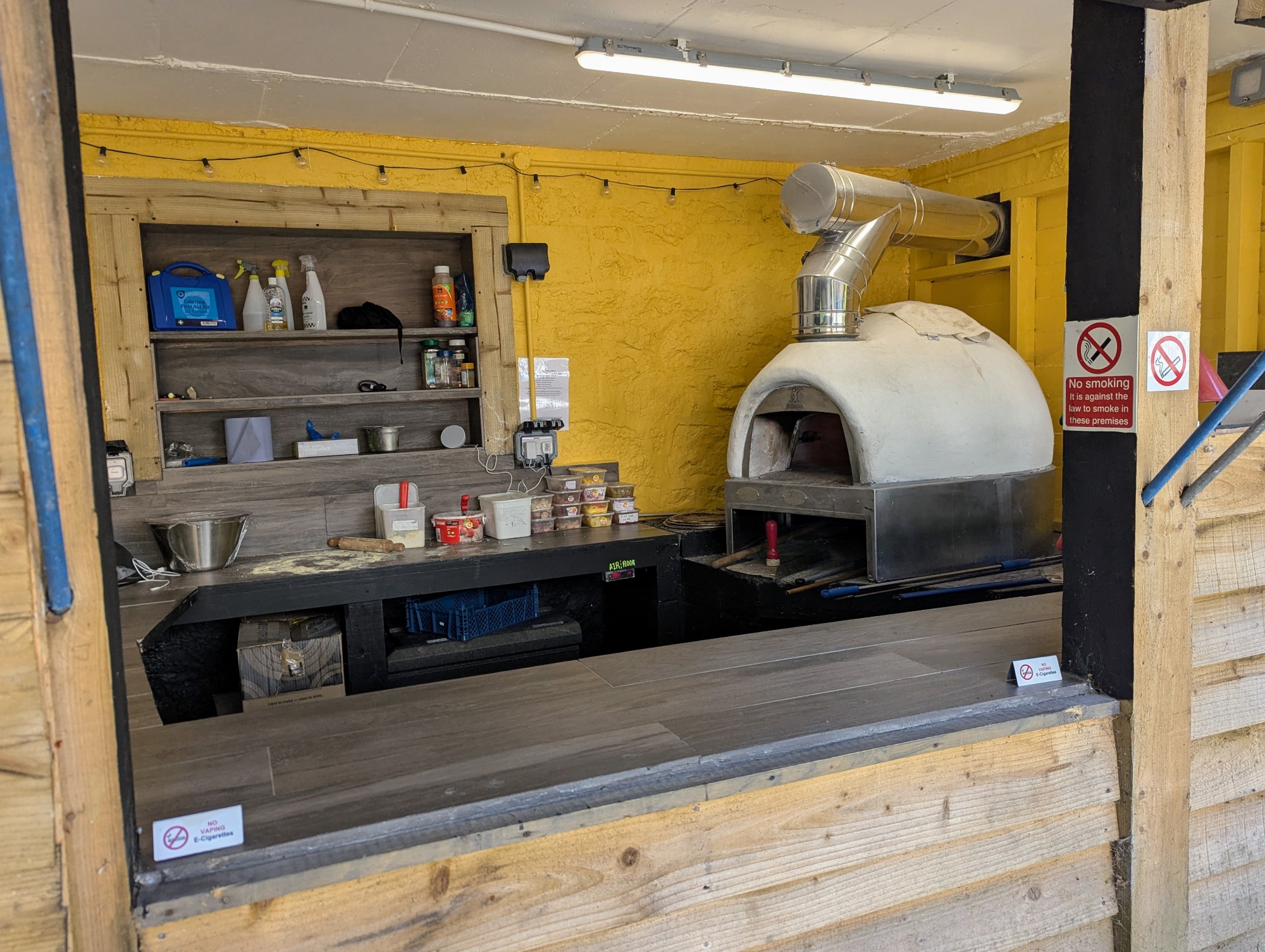
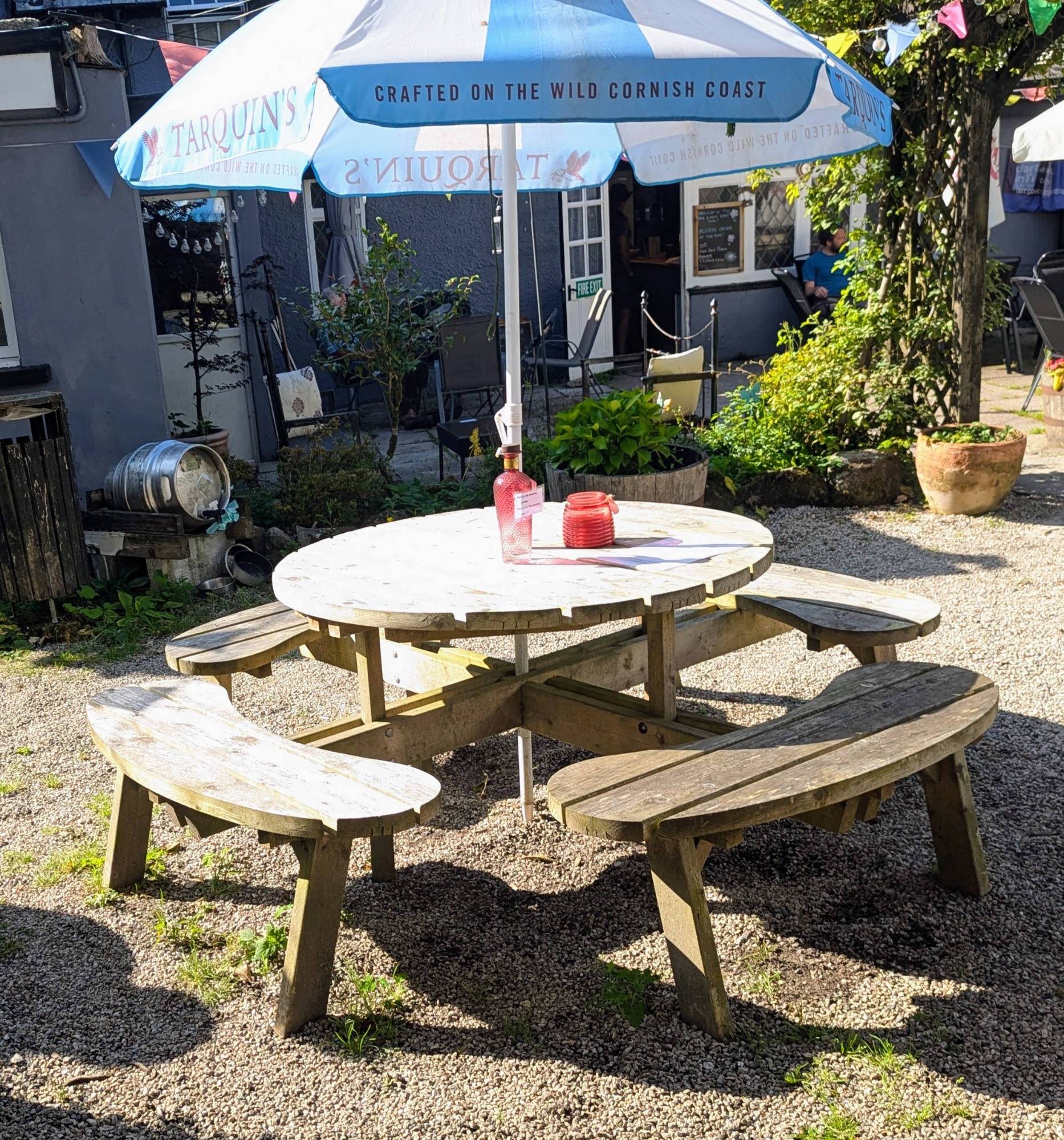
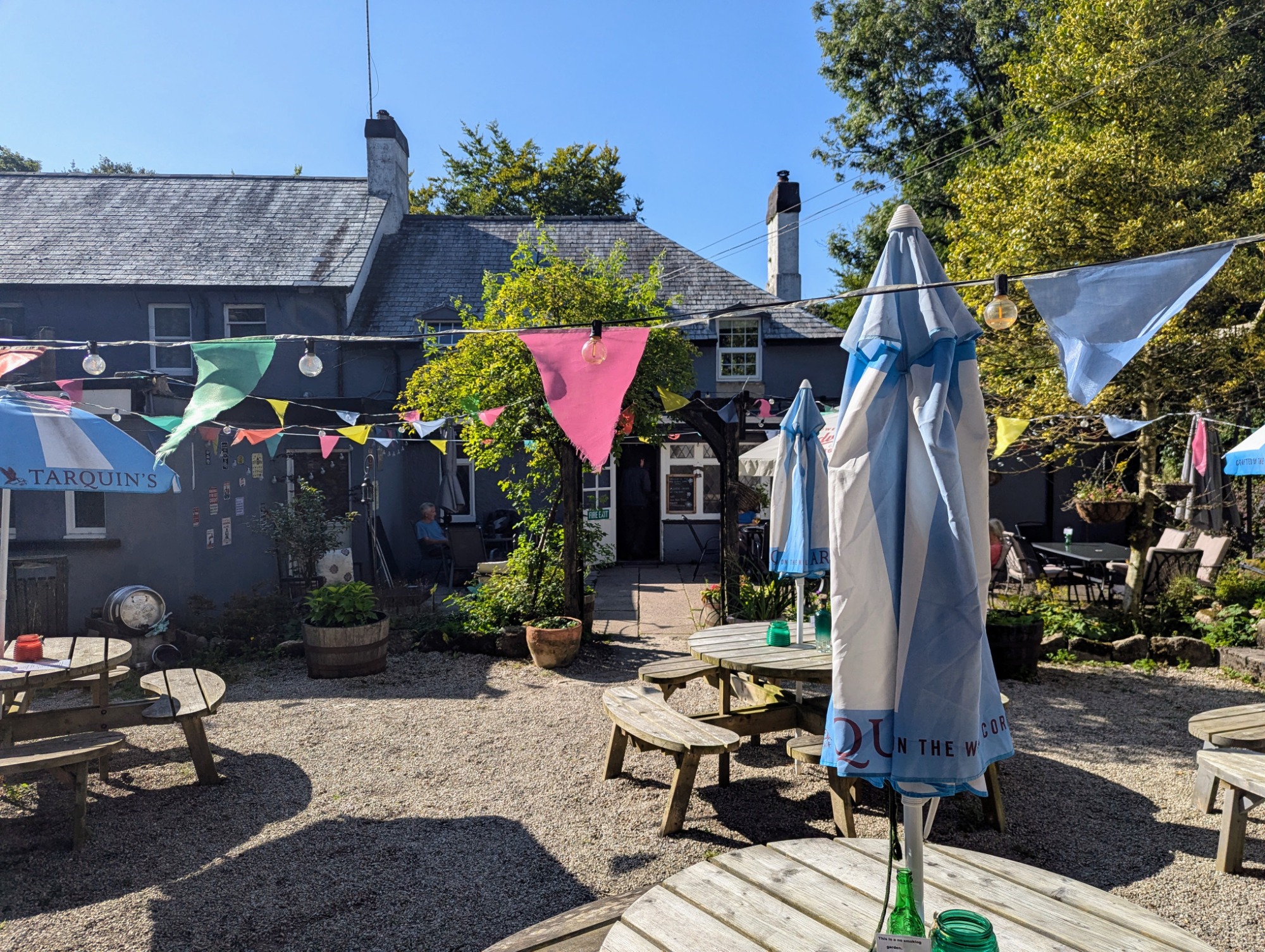
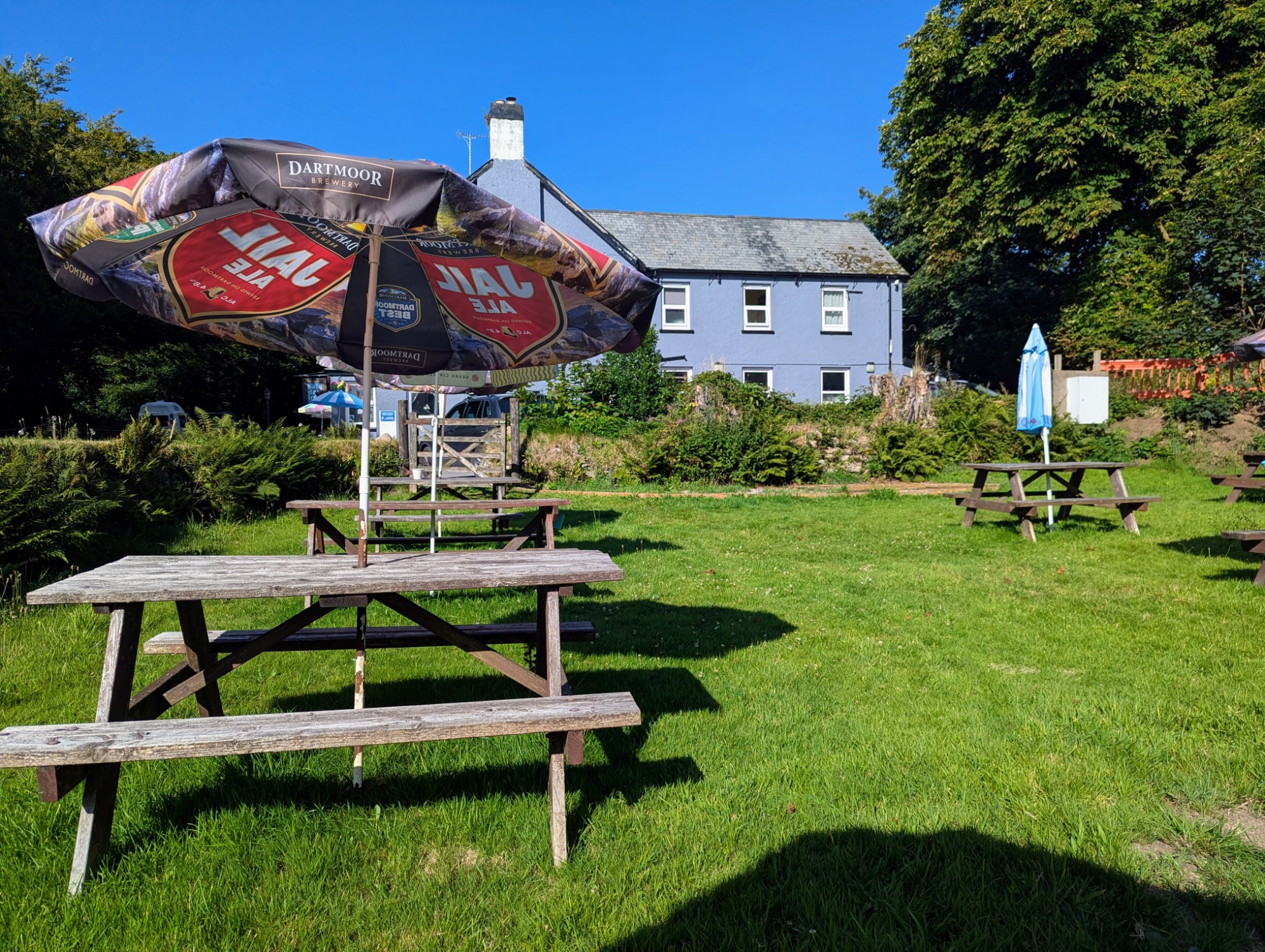
With our beers in hand, we headed out to the pub's fantastic beer garden. We were pleasantly surprised to find they were serving delicious, wood-fired pizzas, freshly made to order from a charming oven set up in a shed. We then wandered to the front beer garden—a lovely, grassy space surrounded by the natural beauty of Dartmoor, providing the perfect spot to sit back, enjoy our drinks, and take in the peaceful surroundings.
P&P
Background....
19th-Century Origins: The inn was built in 1862 by a local tin miner named John Webb, initially serving as a coaching inn for travelers crossing the moors. The original stables for the carriage horses are still visible as part of a walled garden at the rear of the property.
The Temperance Movement: After John Webb's death, the inn was taken over by his son, also named John Webb. During this time, it became a Temperance House, where alcohol was not sold. This was reportedly due to the influence of his wife, Lizzie. The inn remained a Temperance House until the mid-20th century, with a full license for alcohol sales being granted again around the 1950s.
Literary Connections: Postbridge is said to be the inspiration for the fictional village of "Grimpen" in Sir Arthur Conan Doyle's classic novel, The Hound of the Baskervilles. The inn's history, particularly the period when it was a Temperance House, is part of the local folklore that may have influenced the story.
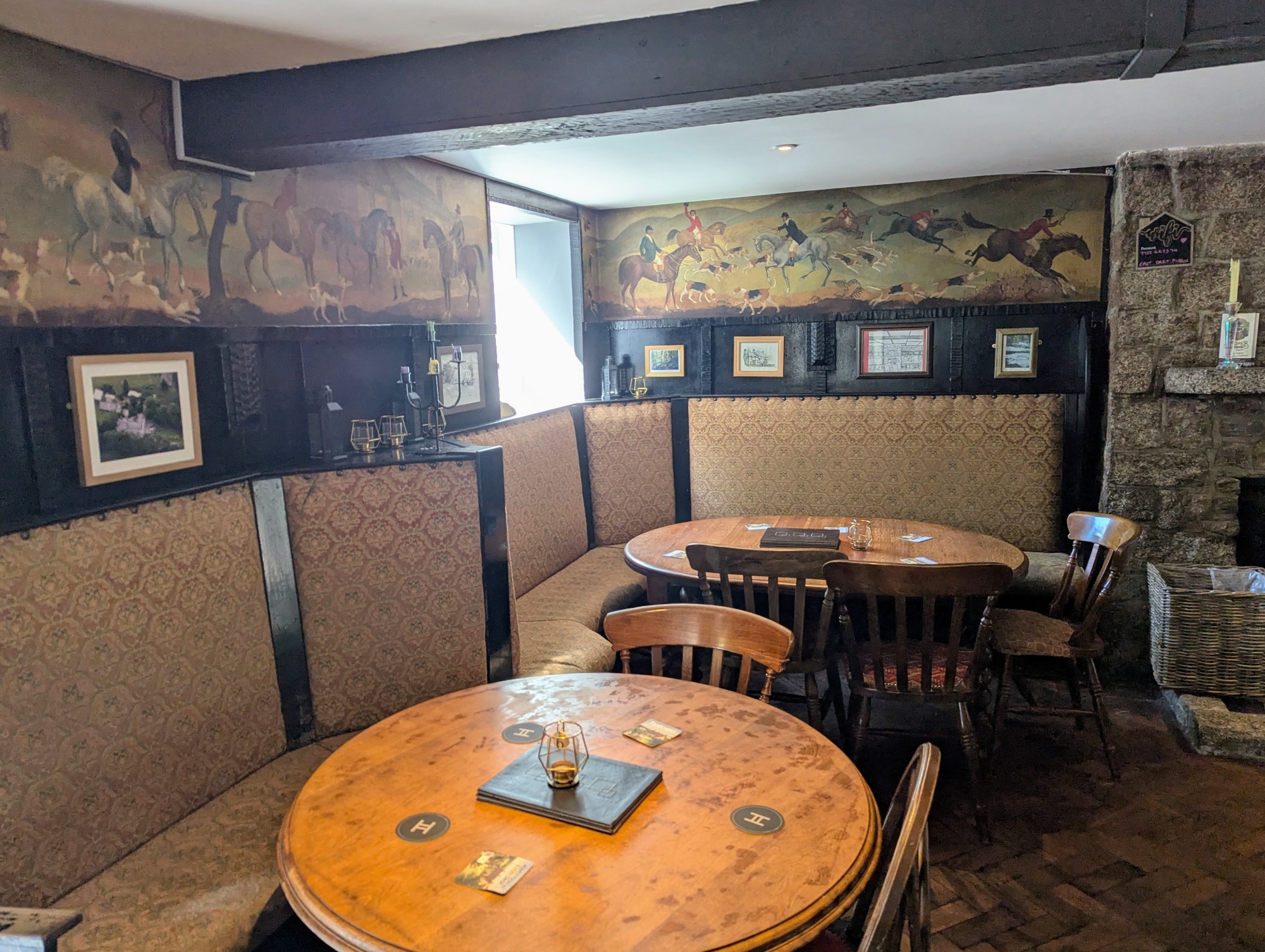
Modern Day: The inn has been renovated and restored over the years, but it has maintained many of its original features, such as the settles and a hunting frieze. It continues to be a popular stop for walkers and visitors to Dartmoor, offering a warm and welcoming atmosphere with a log fire on chilly days.


Find us on YouTube