
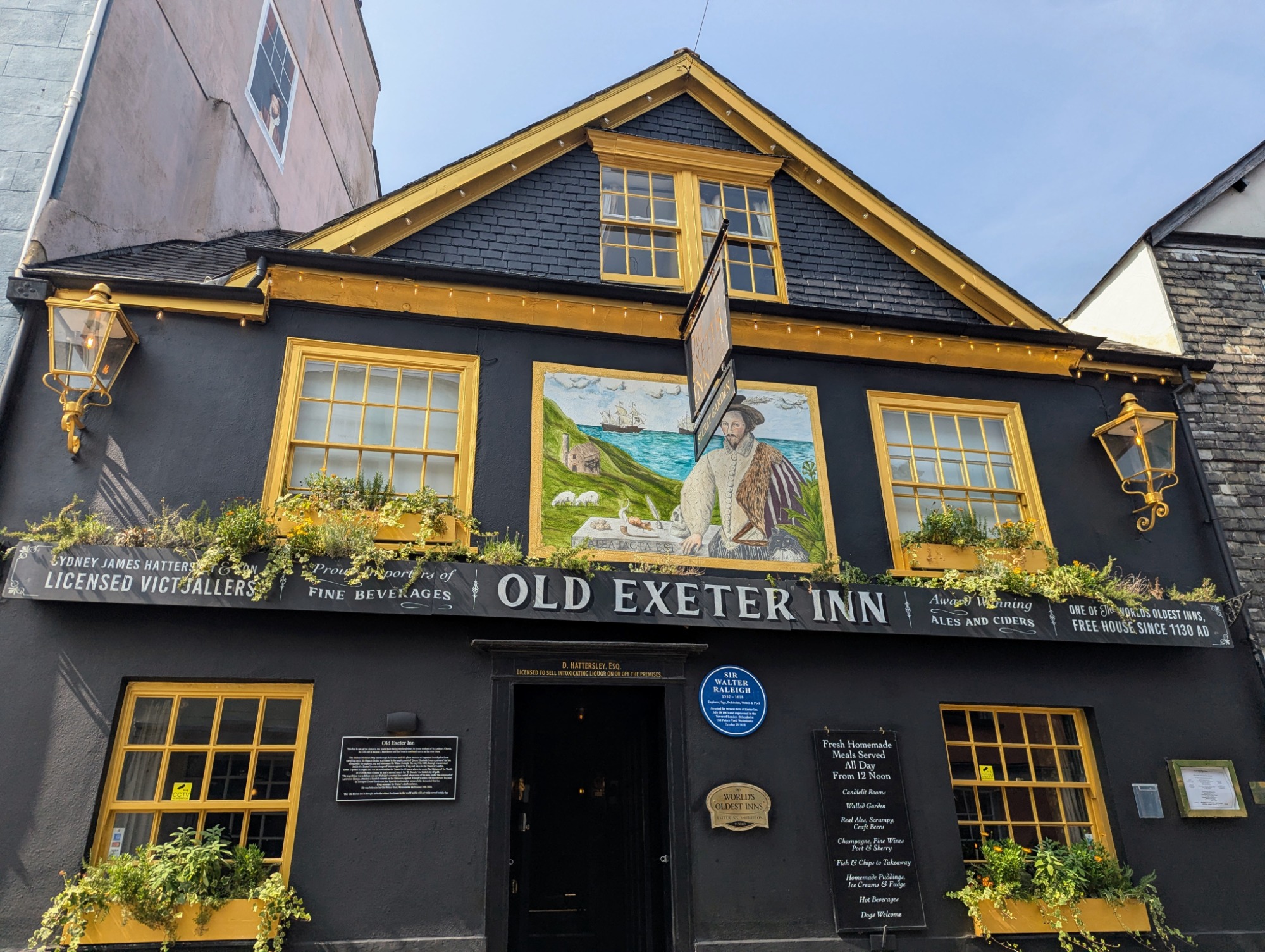
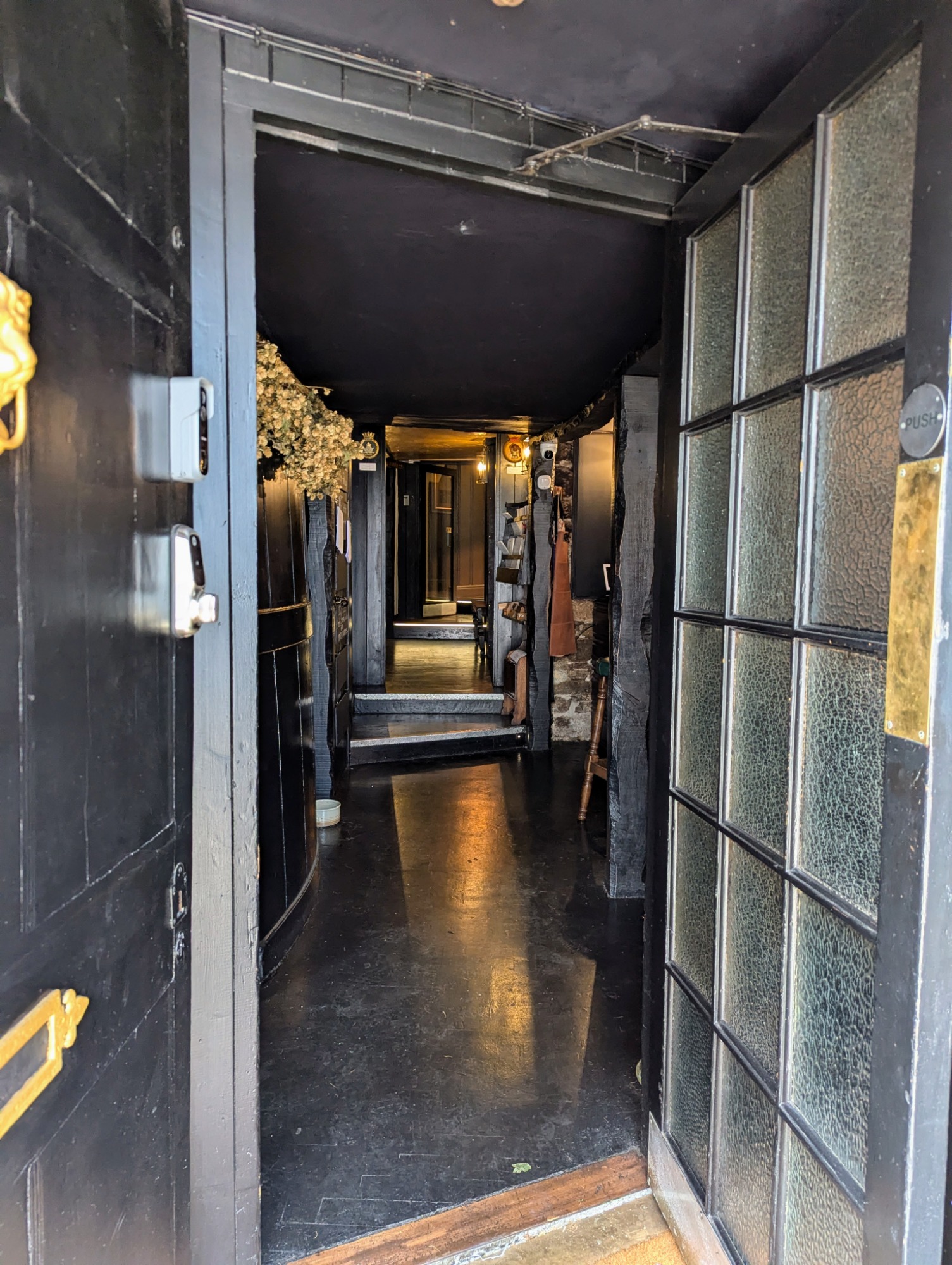
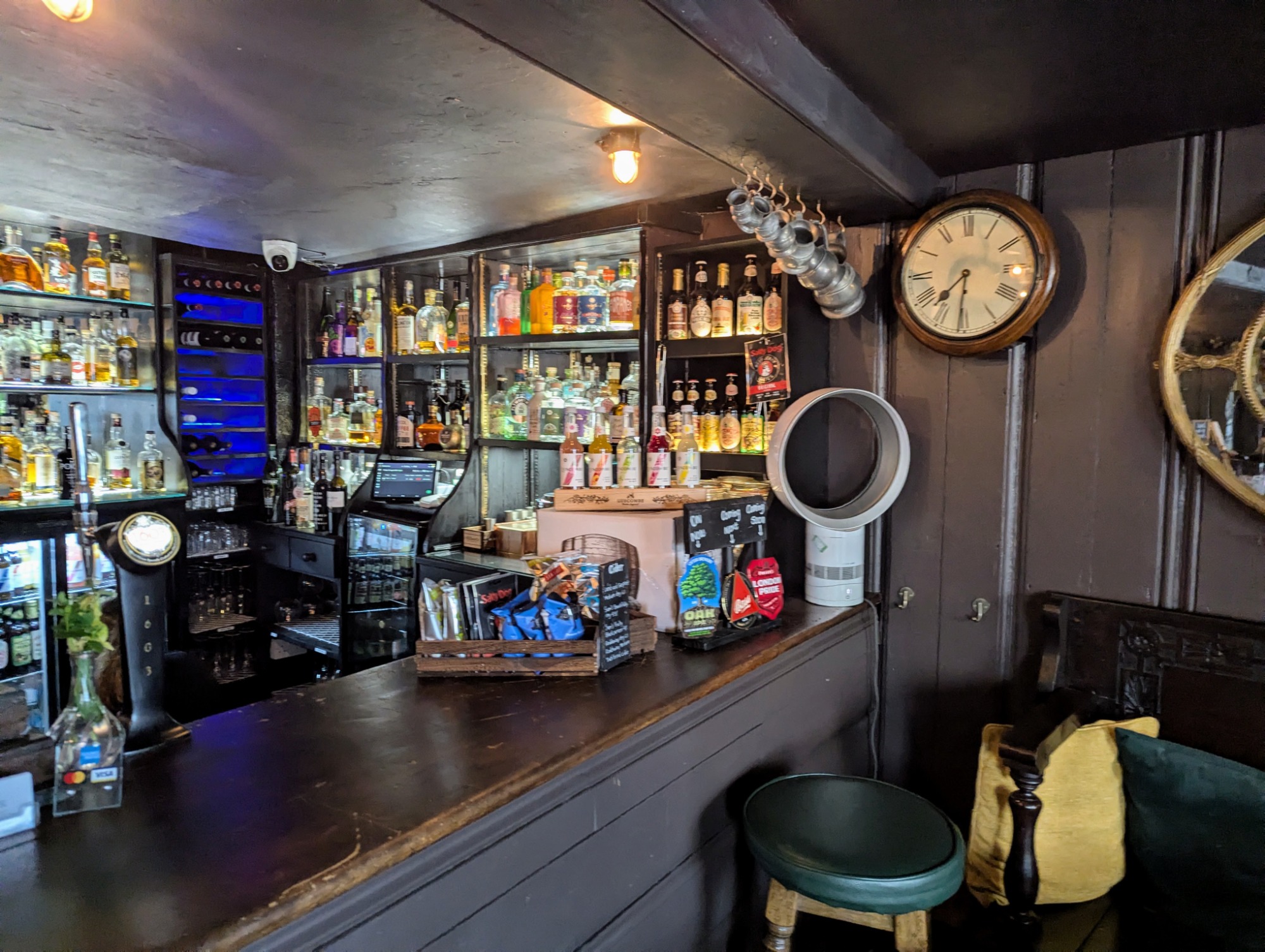
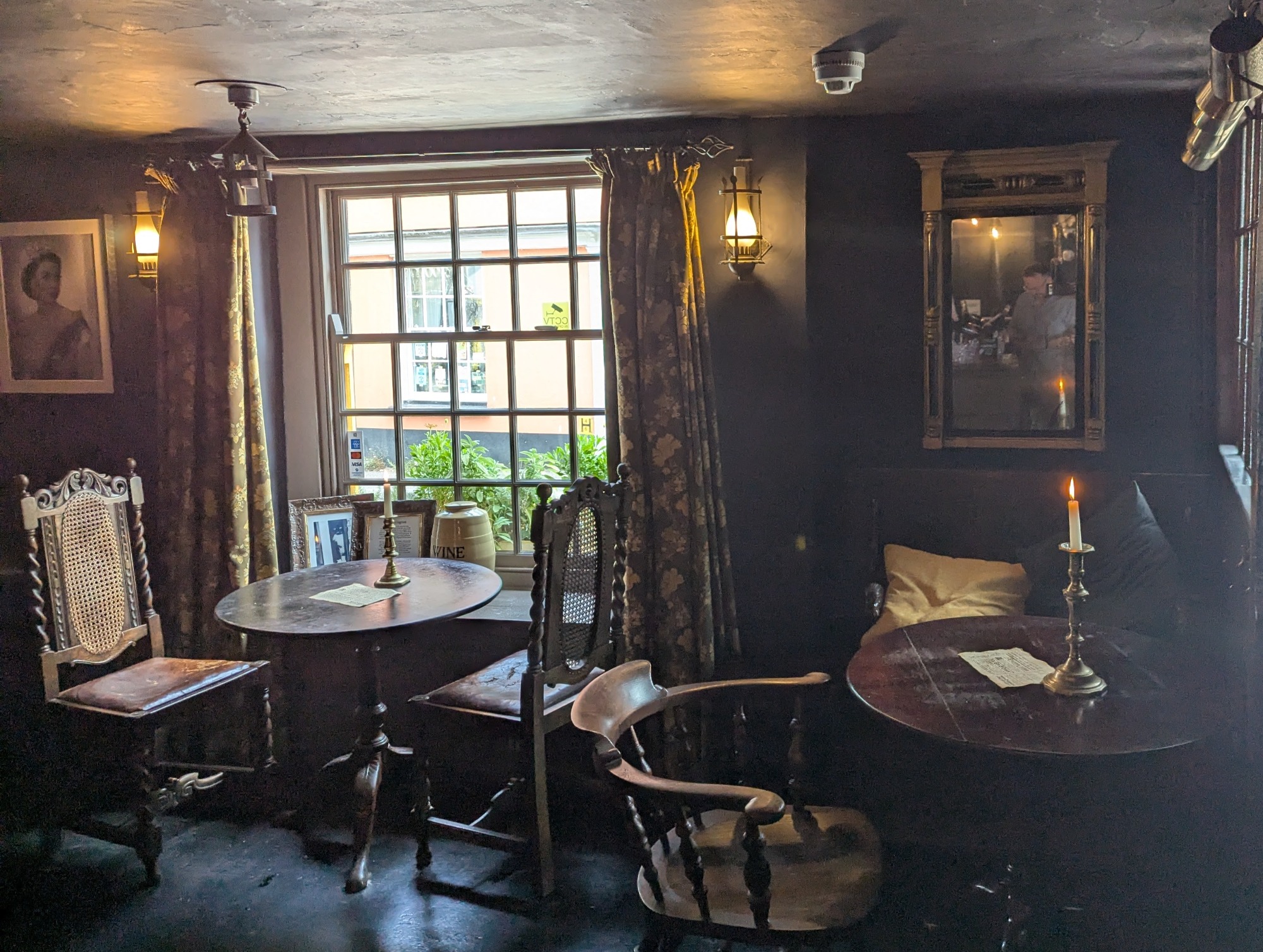
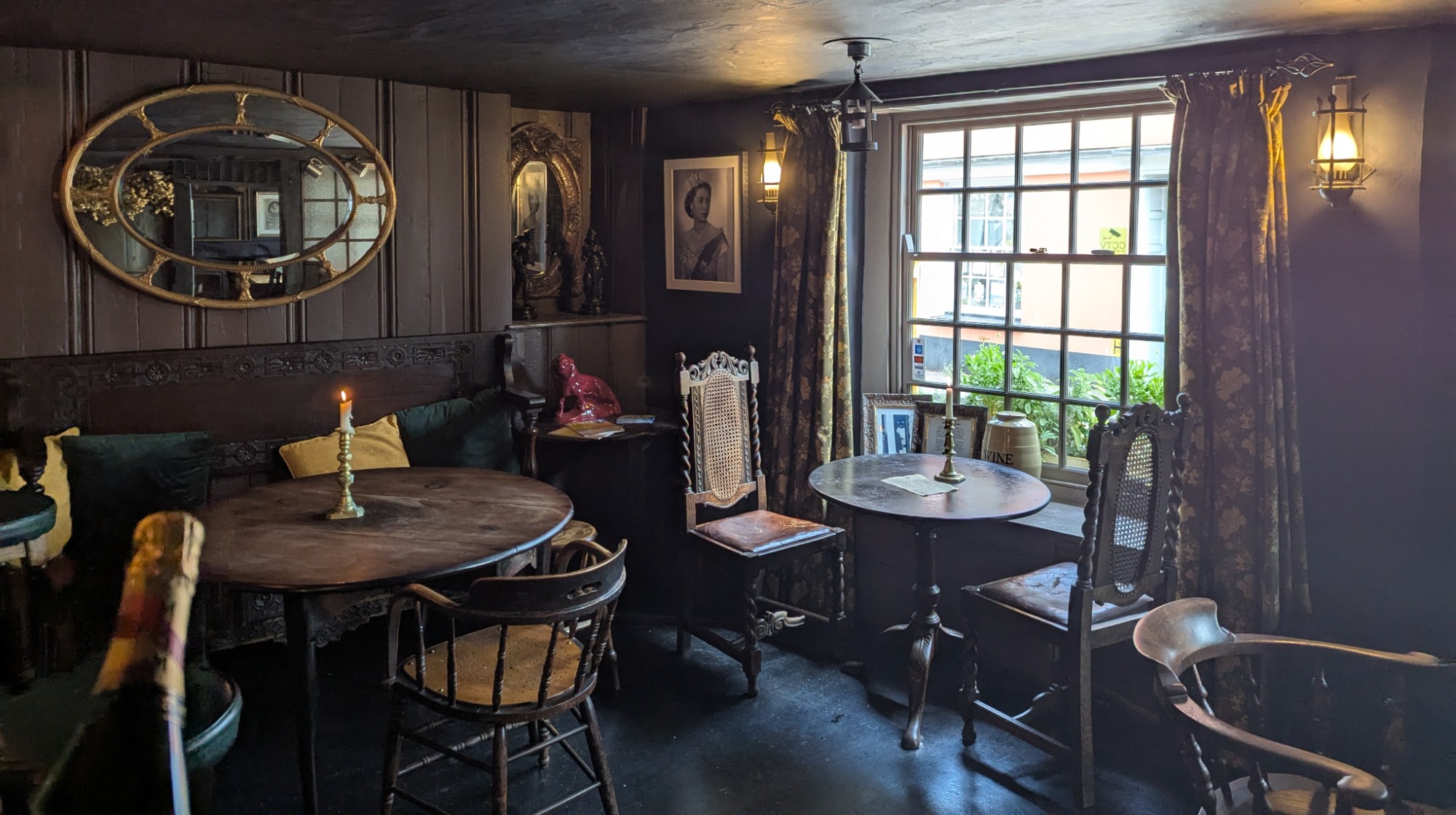
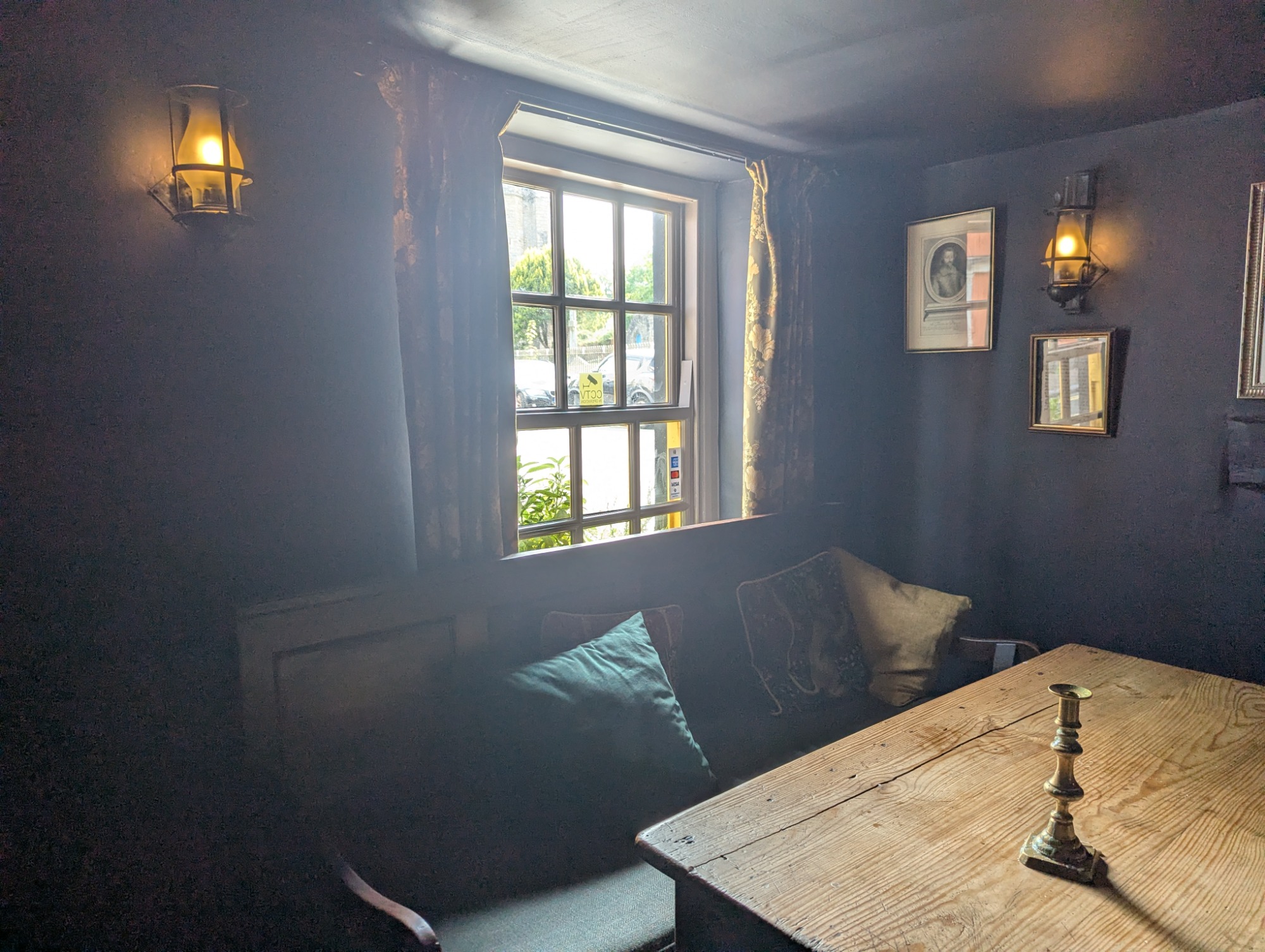
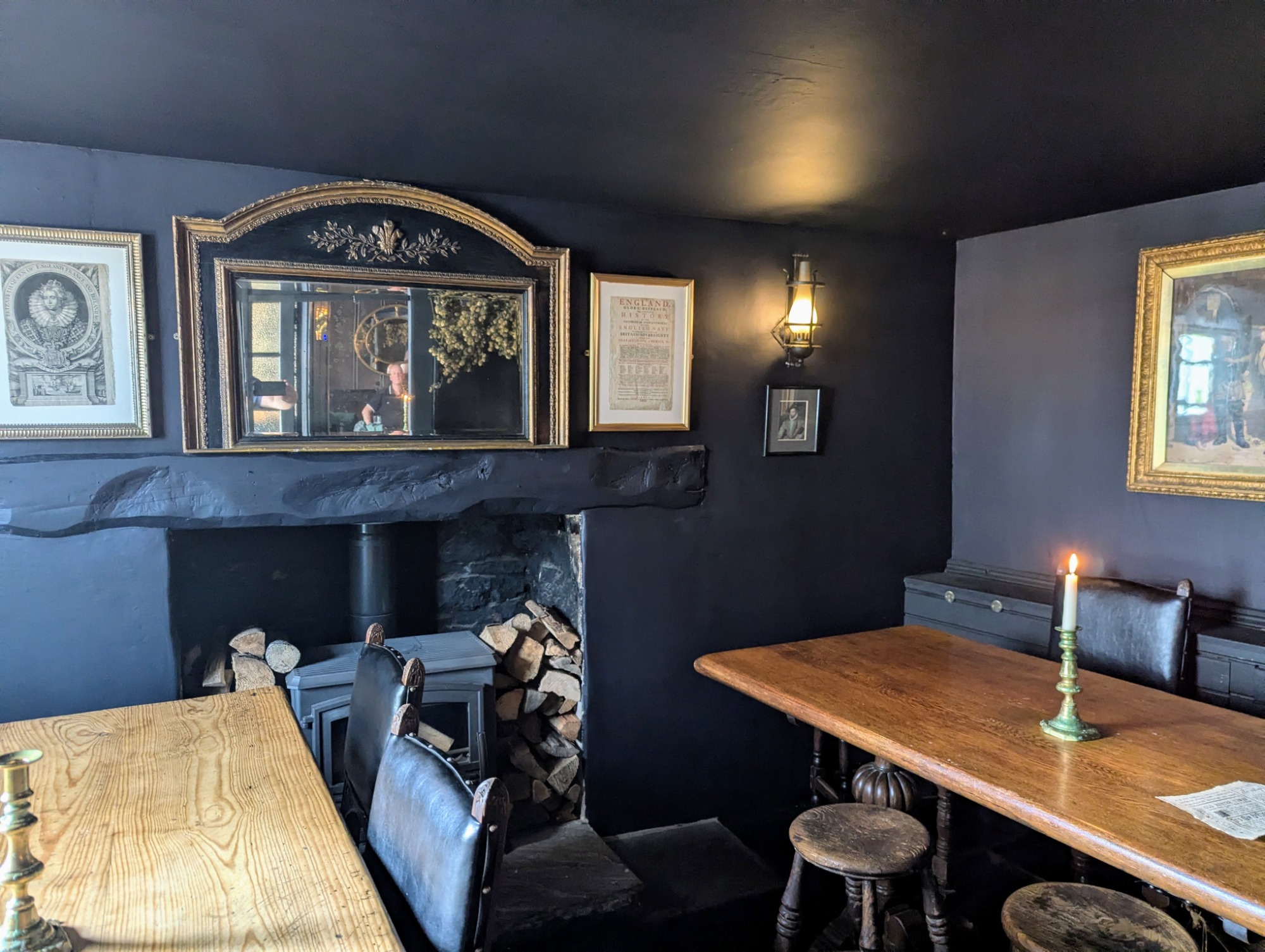
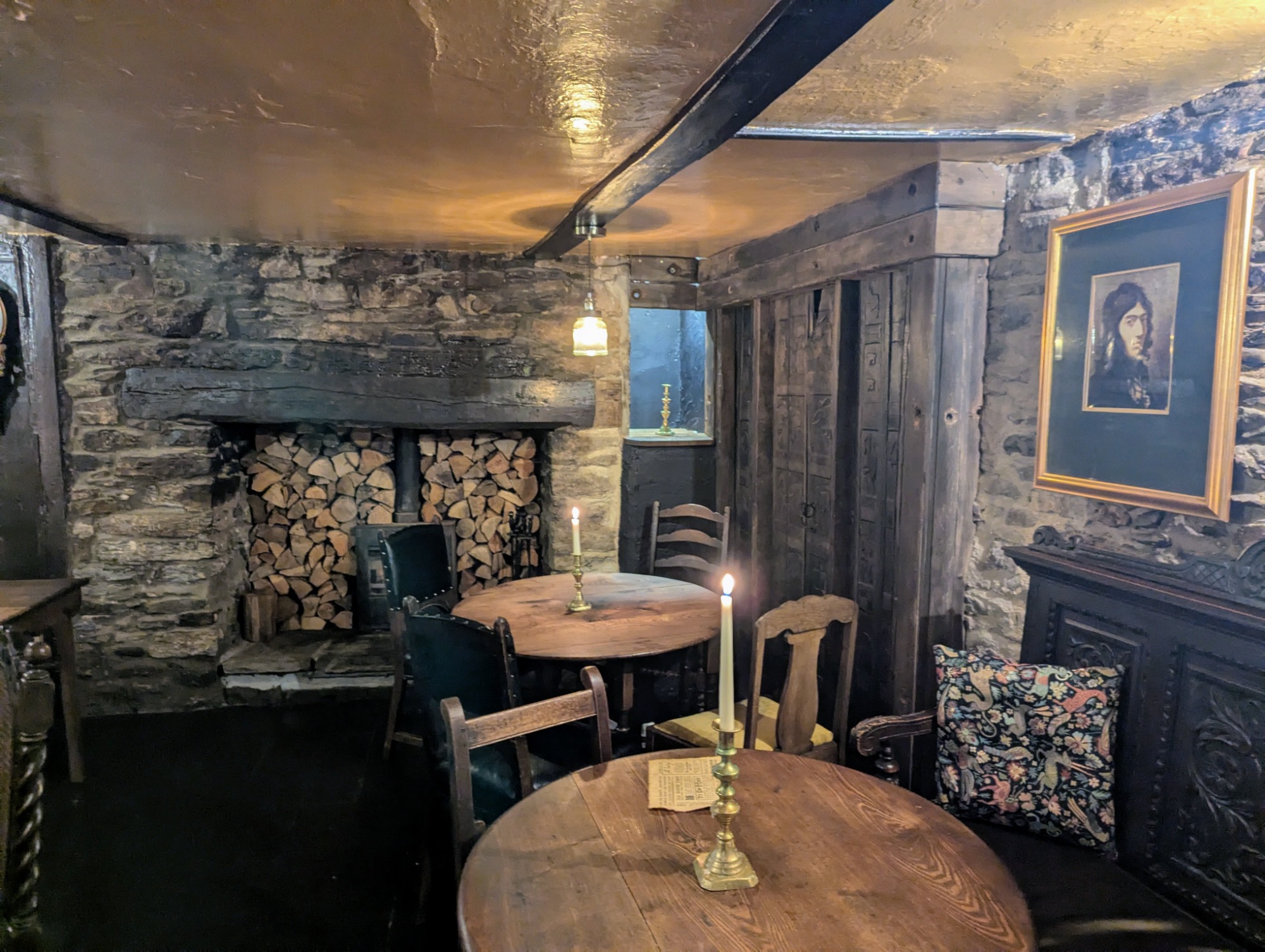
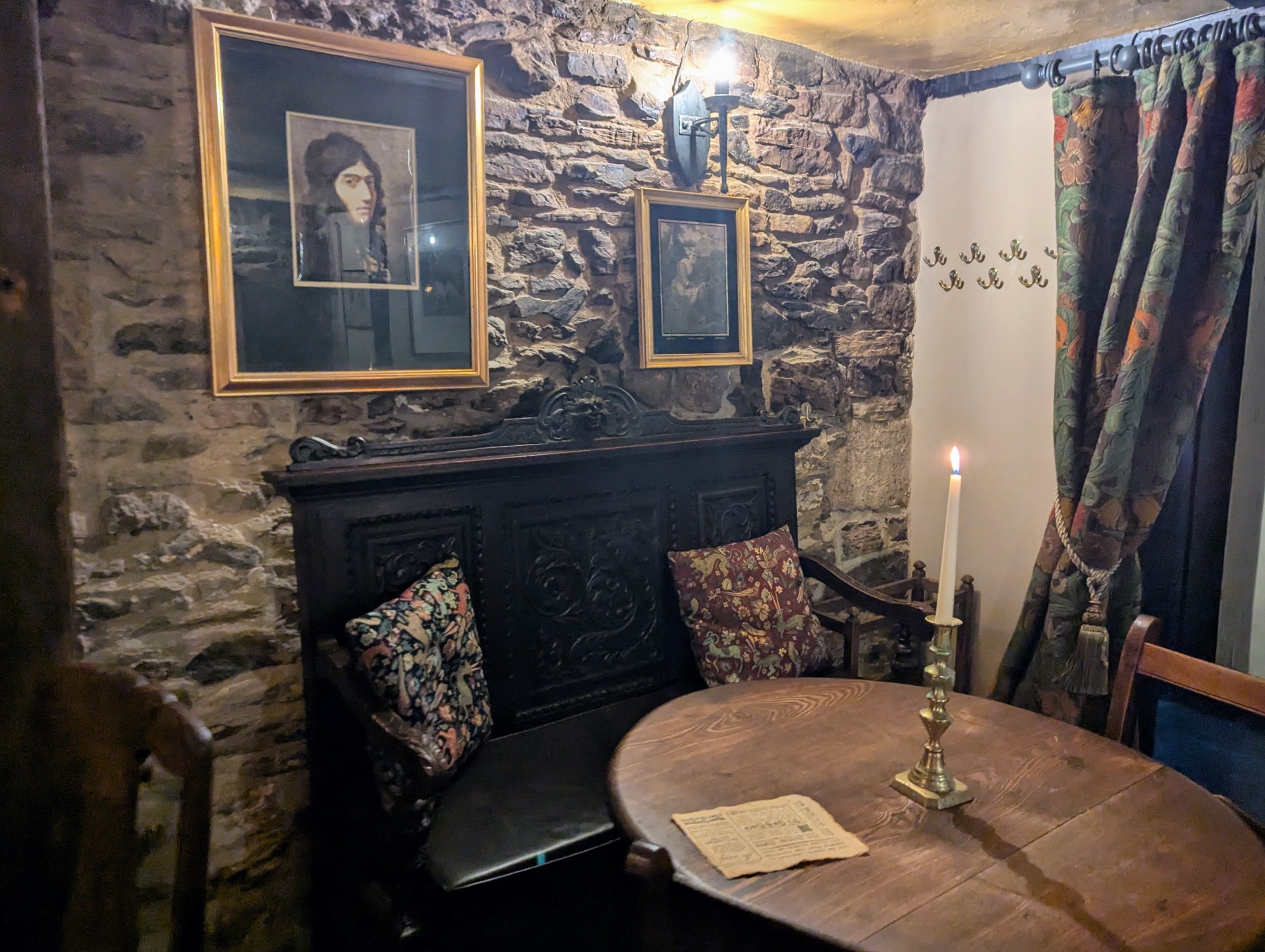
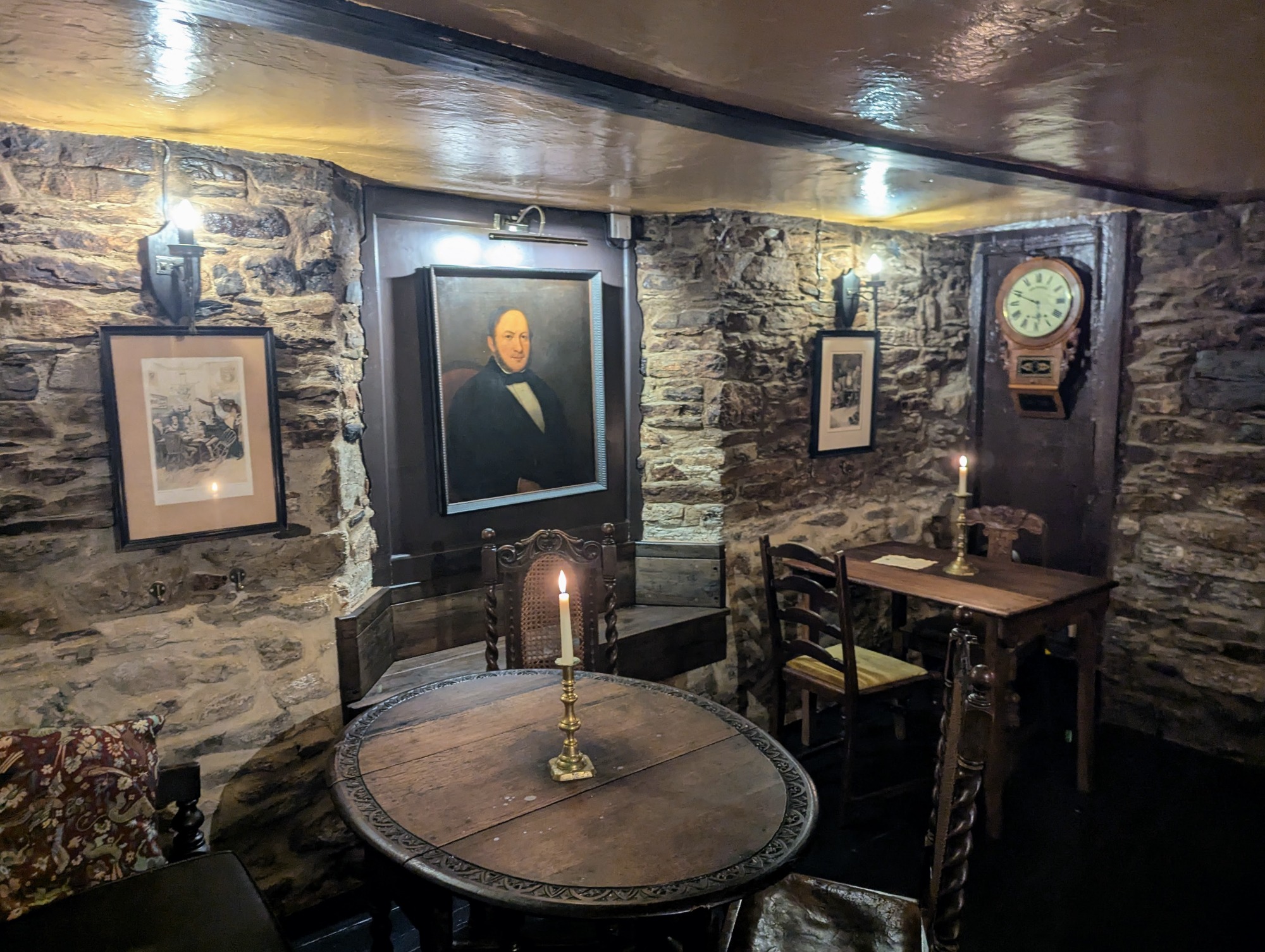
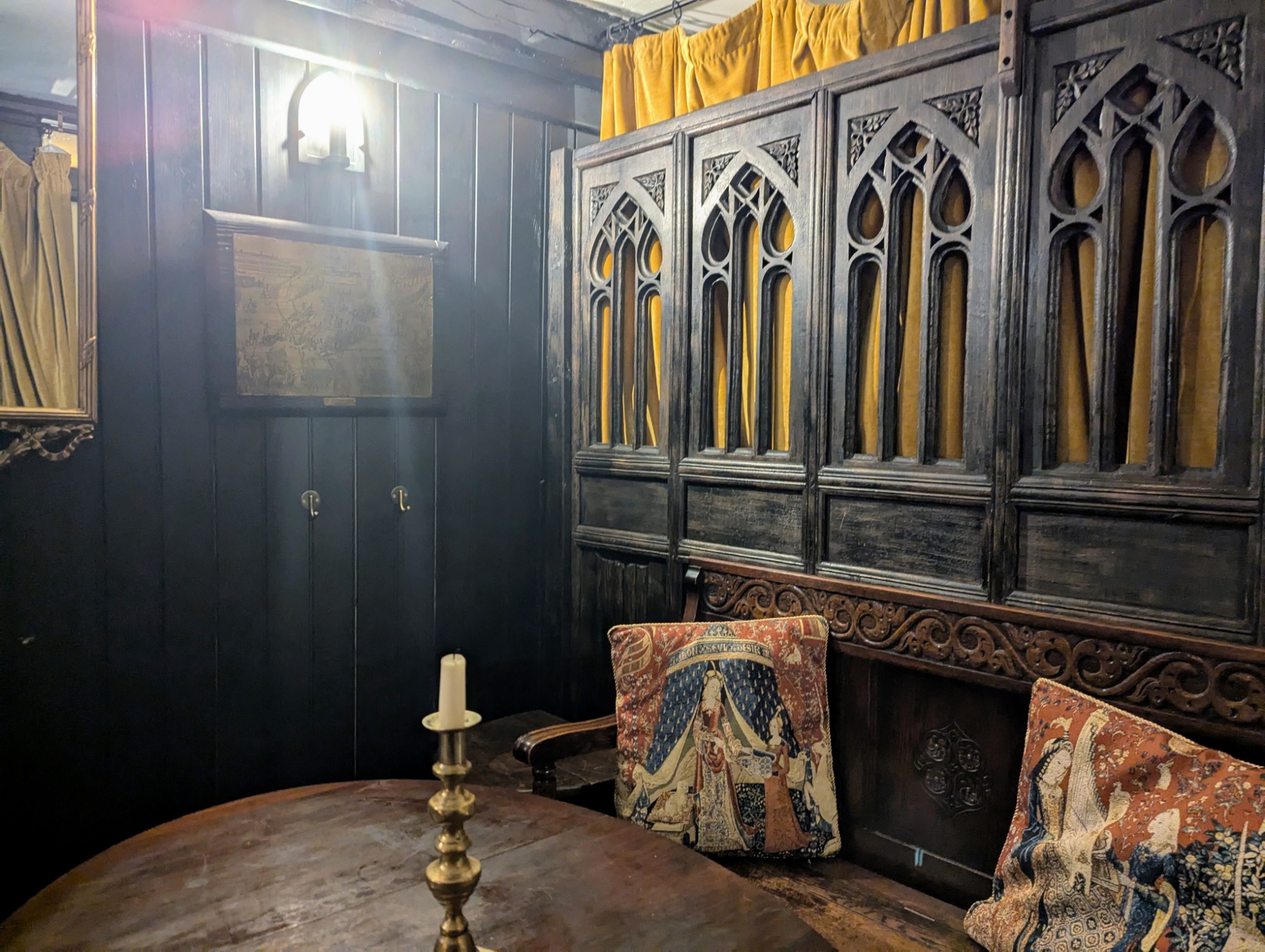
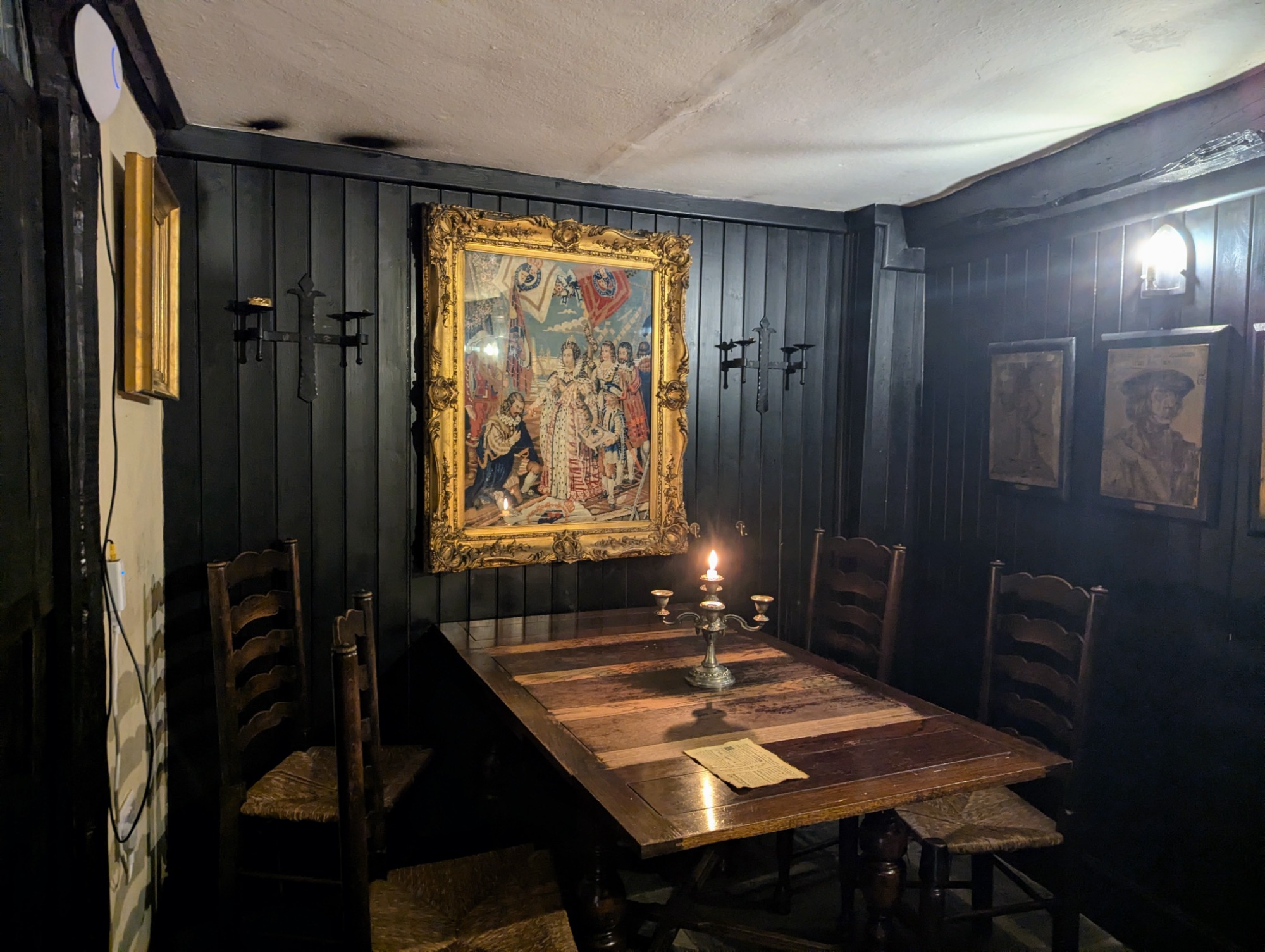
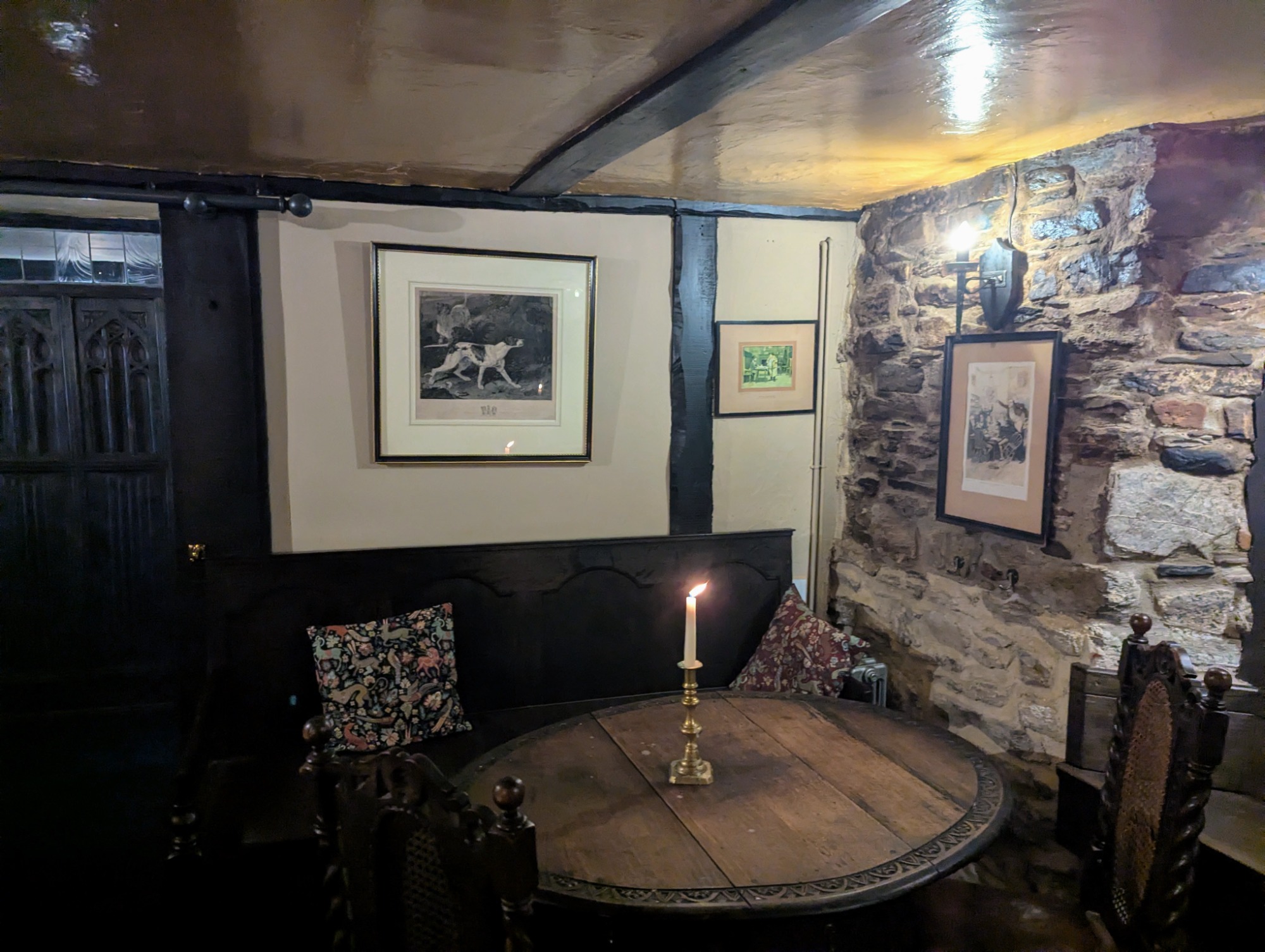
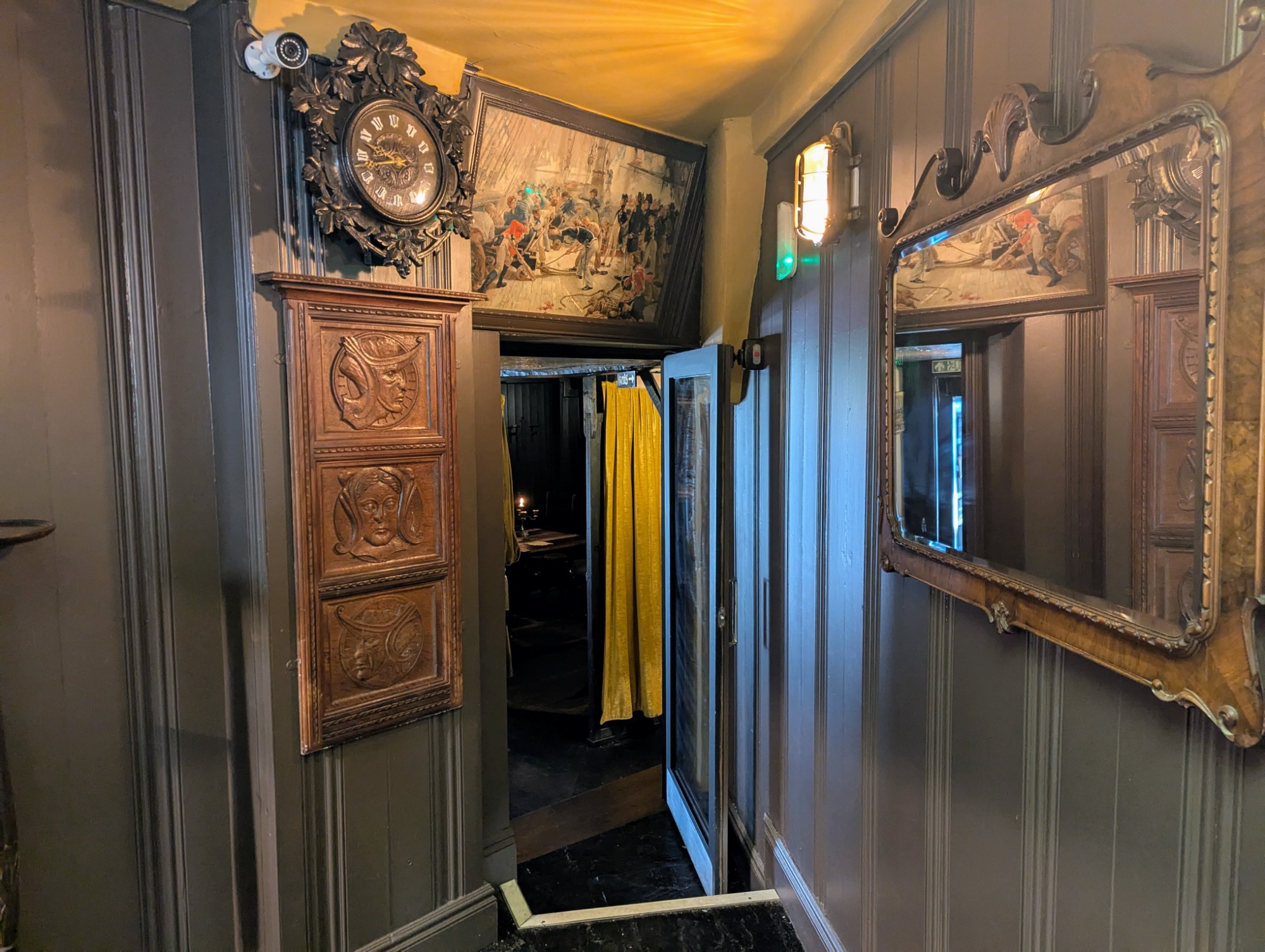
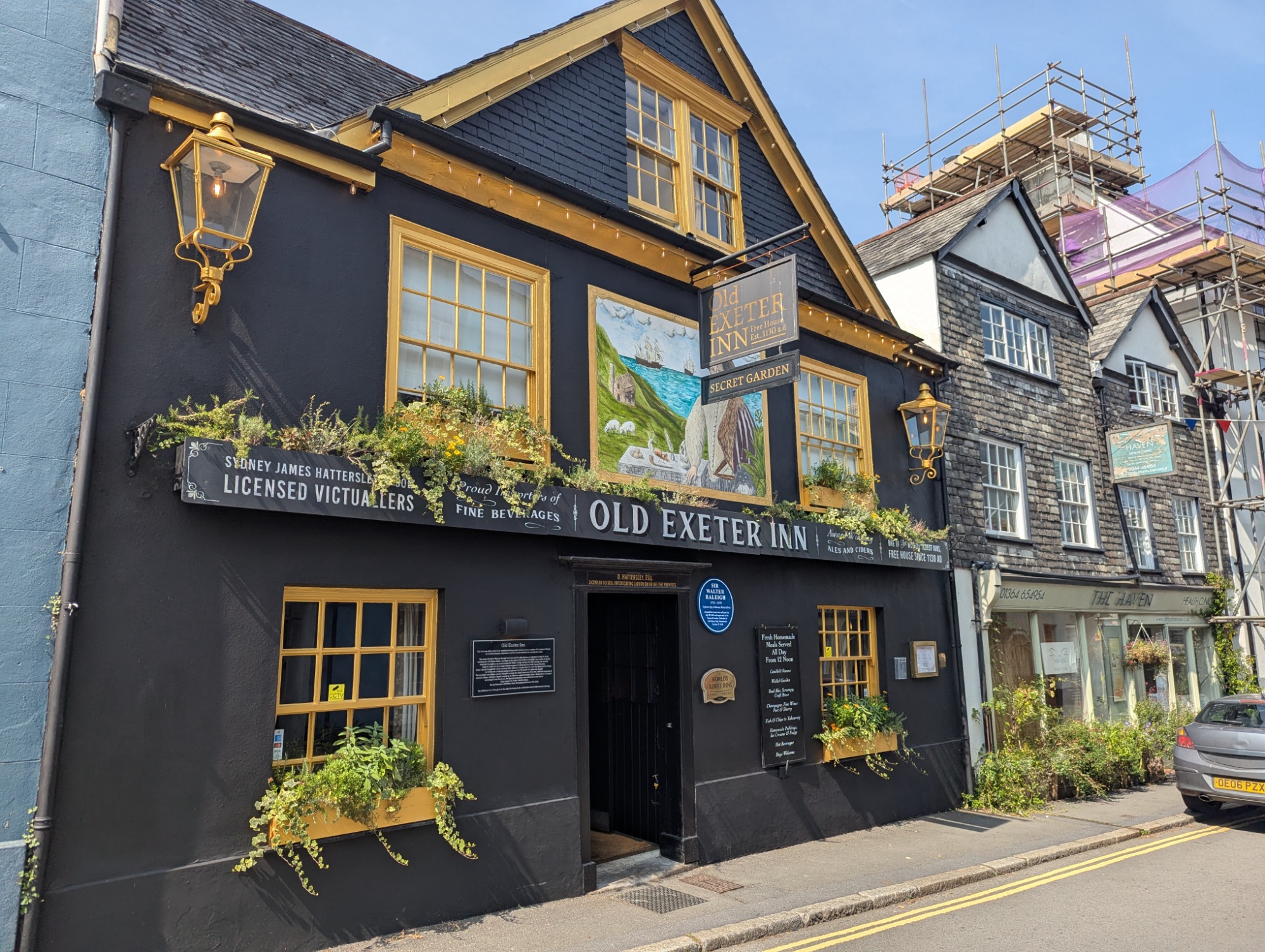
From the moment you step through the door of the Old Exeter Inn, you know you're somewhere truly special. The pub is steeped in history, with an atmosphere of complete amazement. The decor is a masterclass in design, perfectly blending a trendy, rustic feel with its ancient roots, all brought to life by the warm glow of candlelit tables. It genuinely feels like stepping back in time.
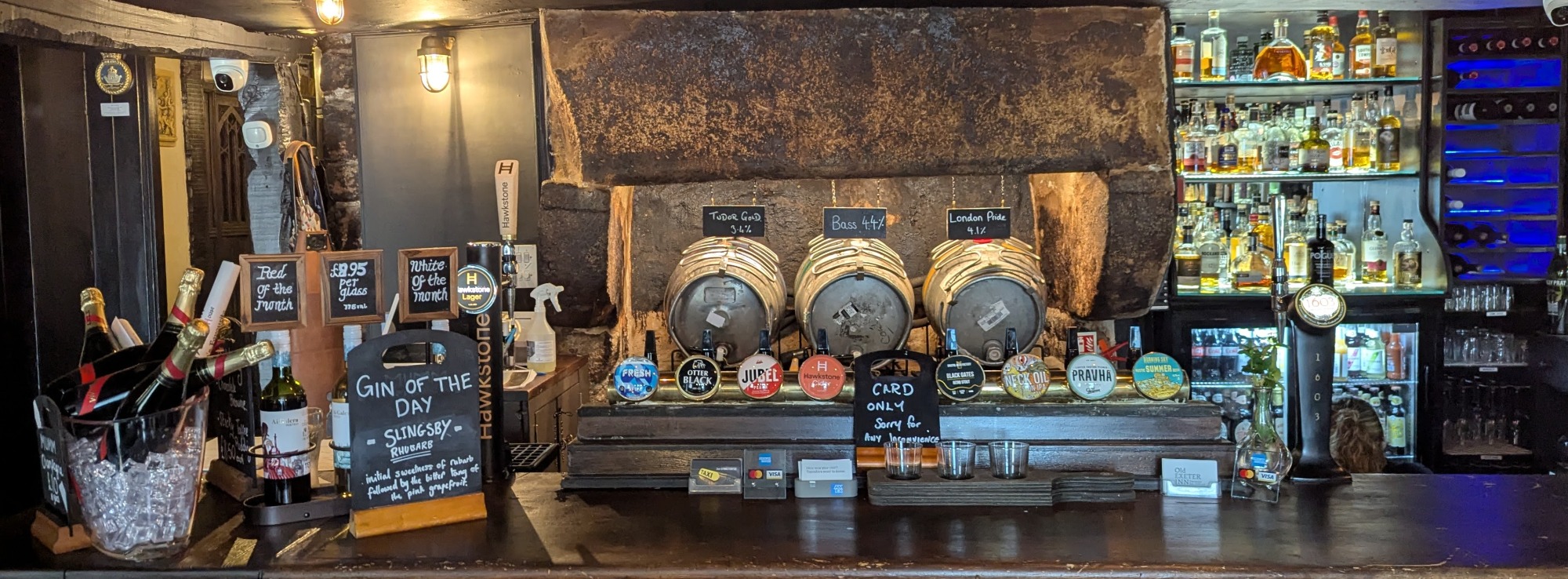
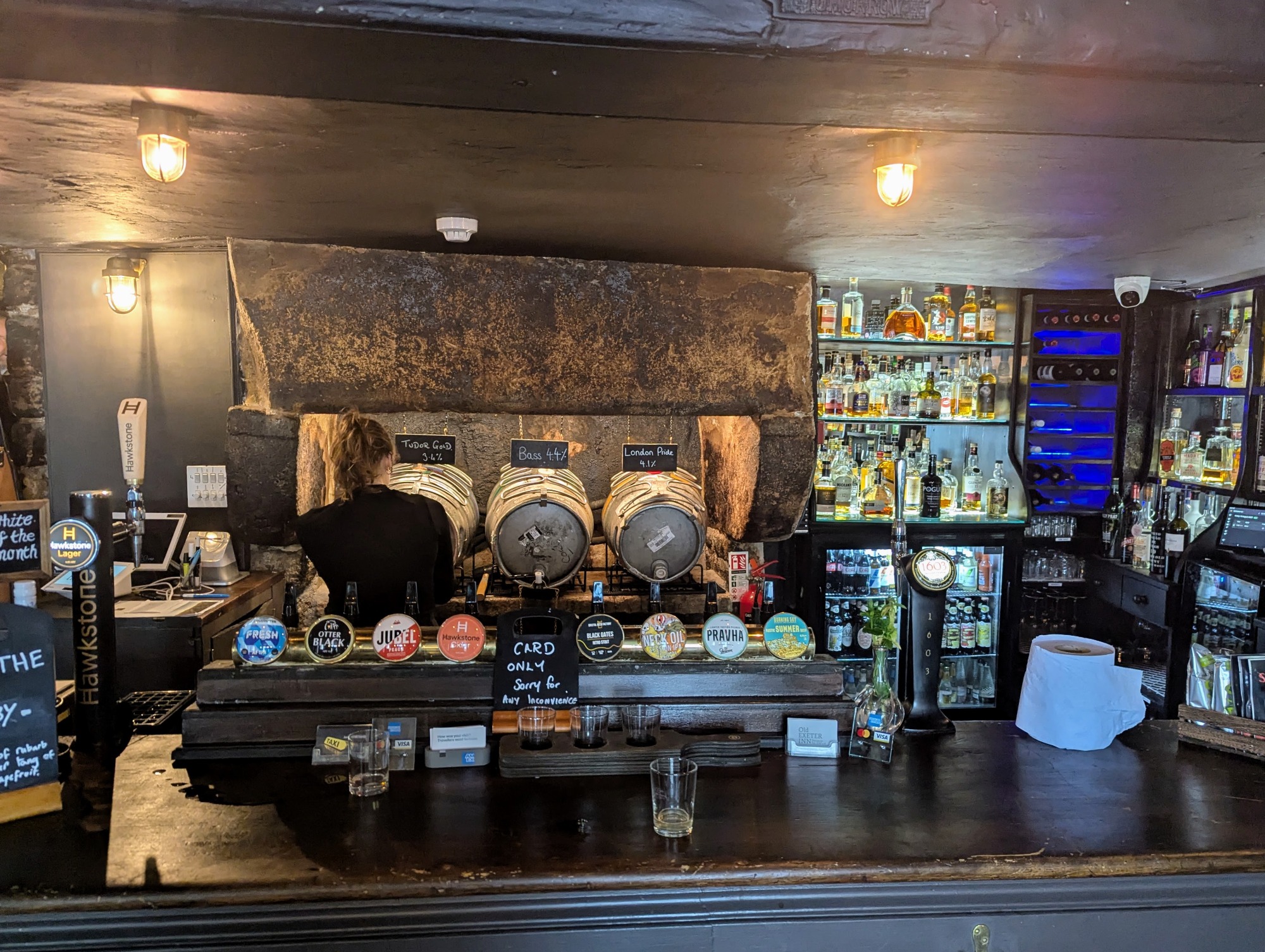
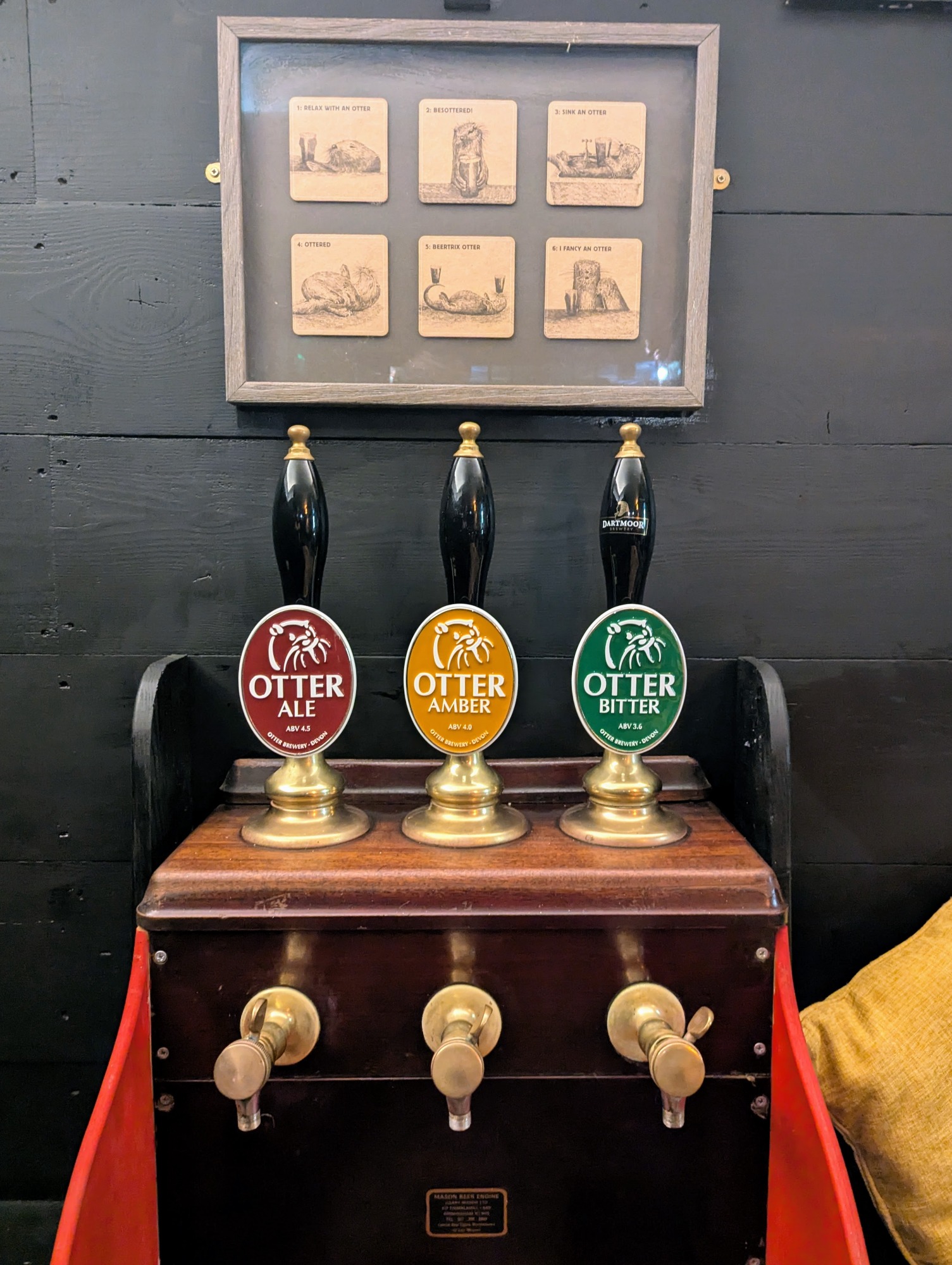
This quality extends to the bar, which boasts an excellent selection on tap. We enjoyed a crisp, Belgian-style pilsner and the characterful Tudor Gold, both served by staff who were incredibly friendly, informative and welcoming from start to finish.
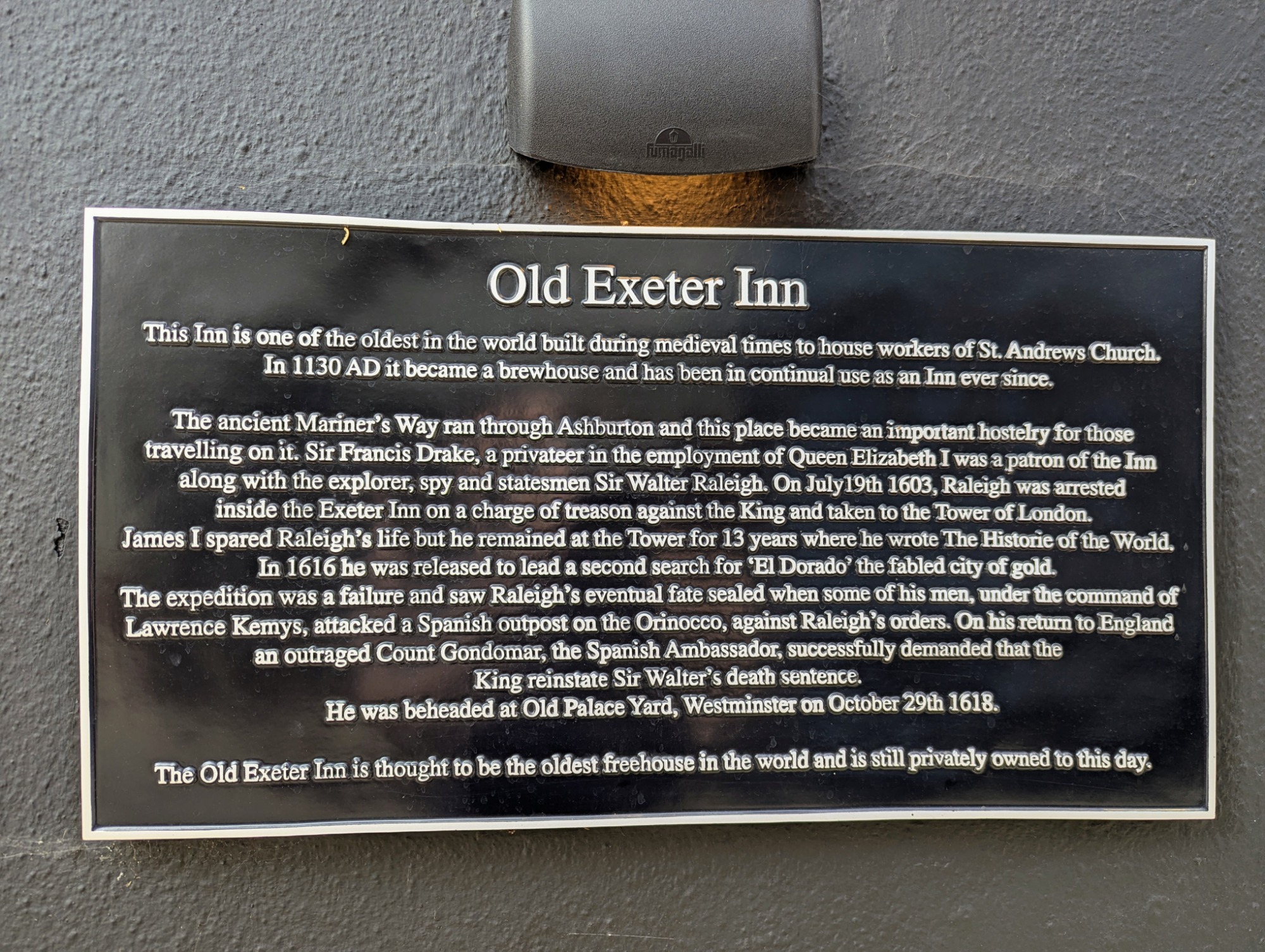
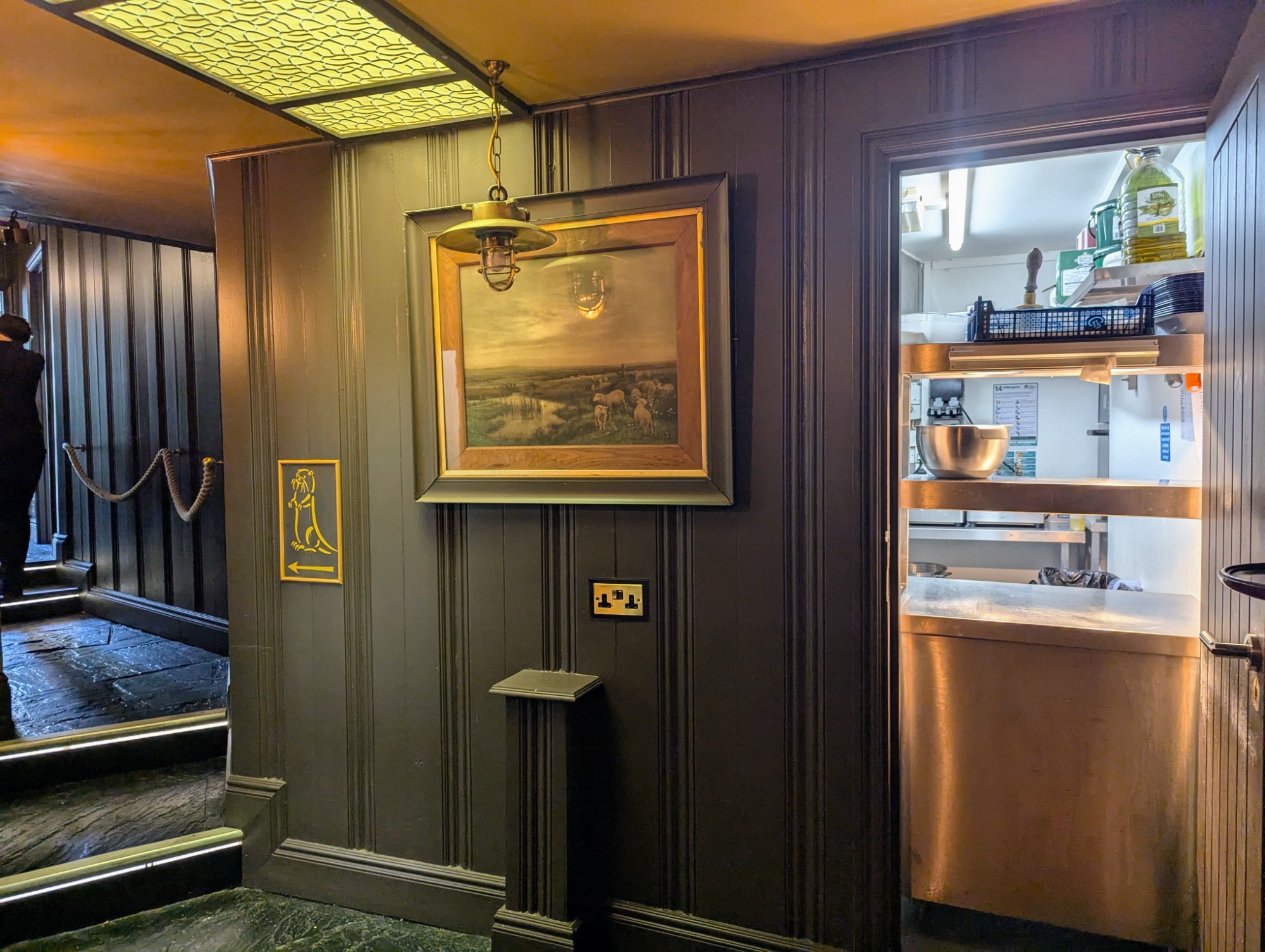
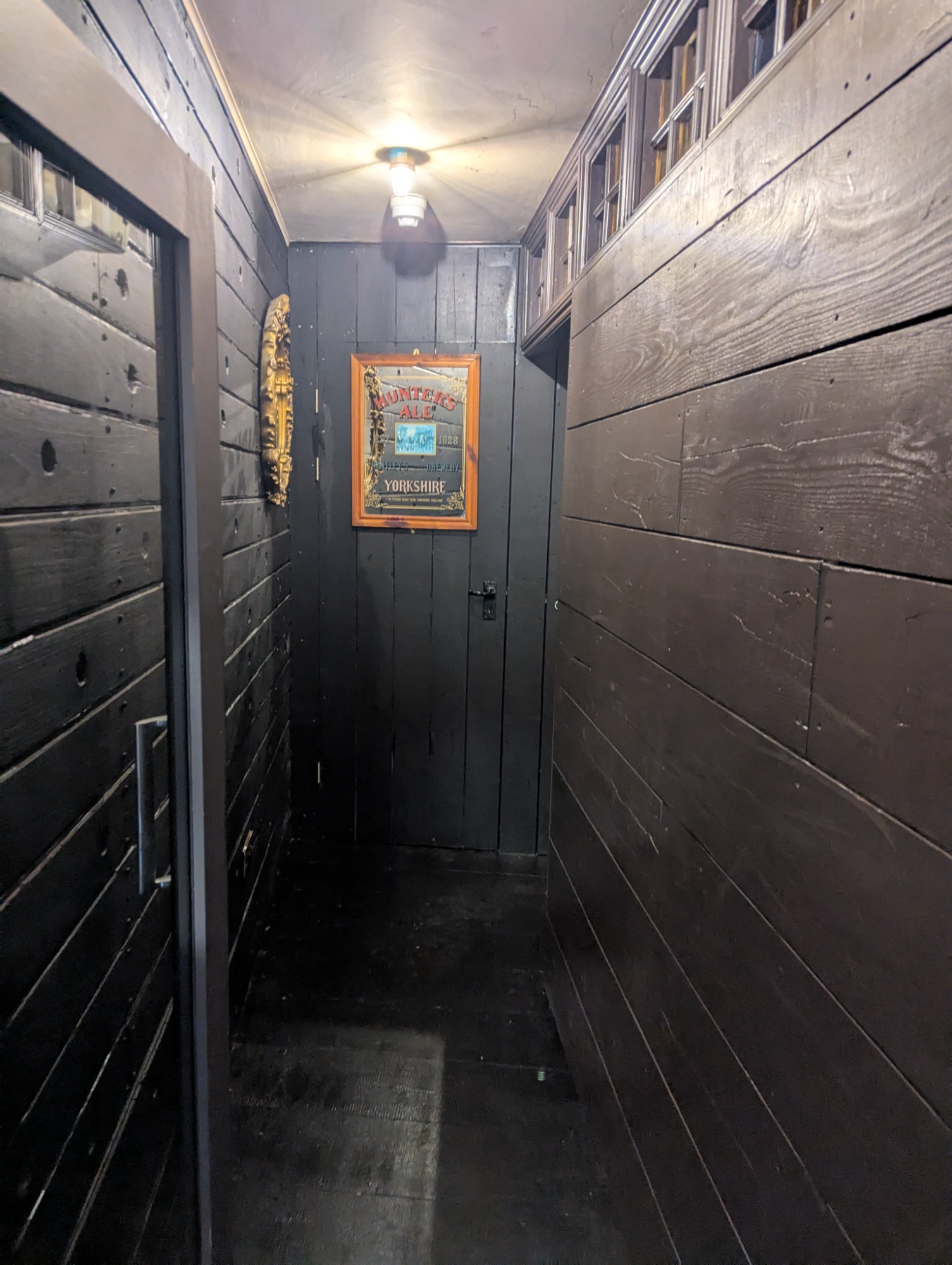
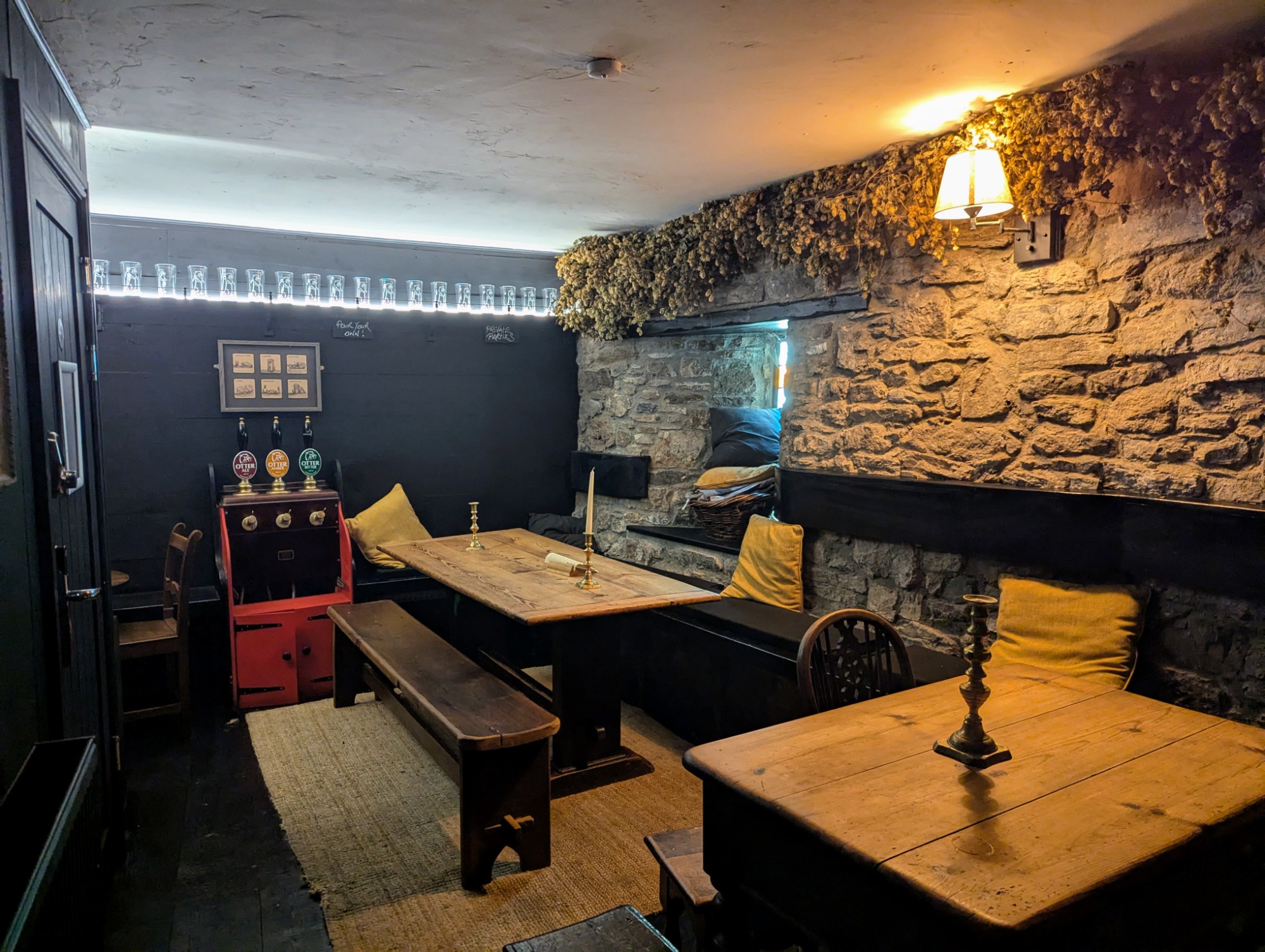
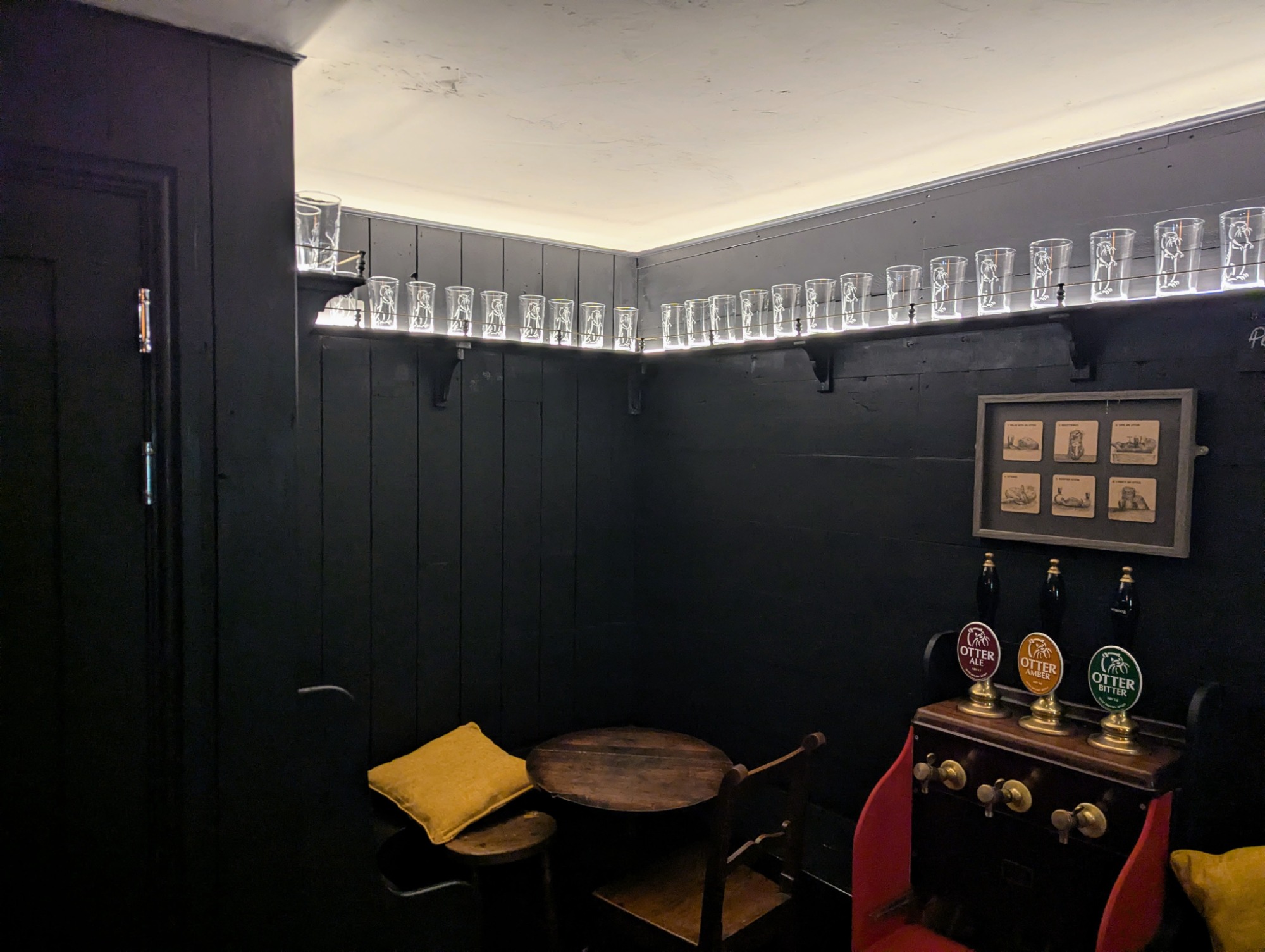
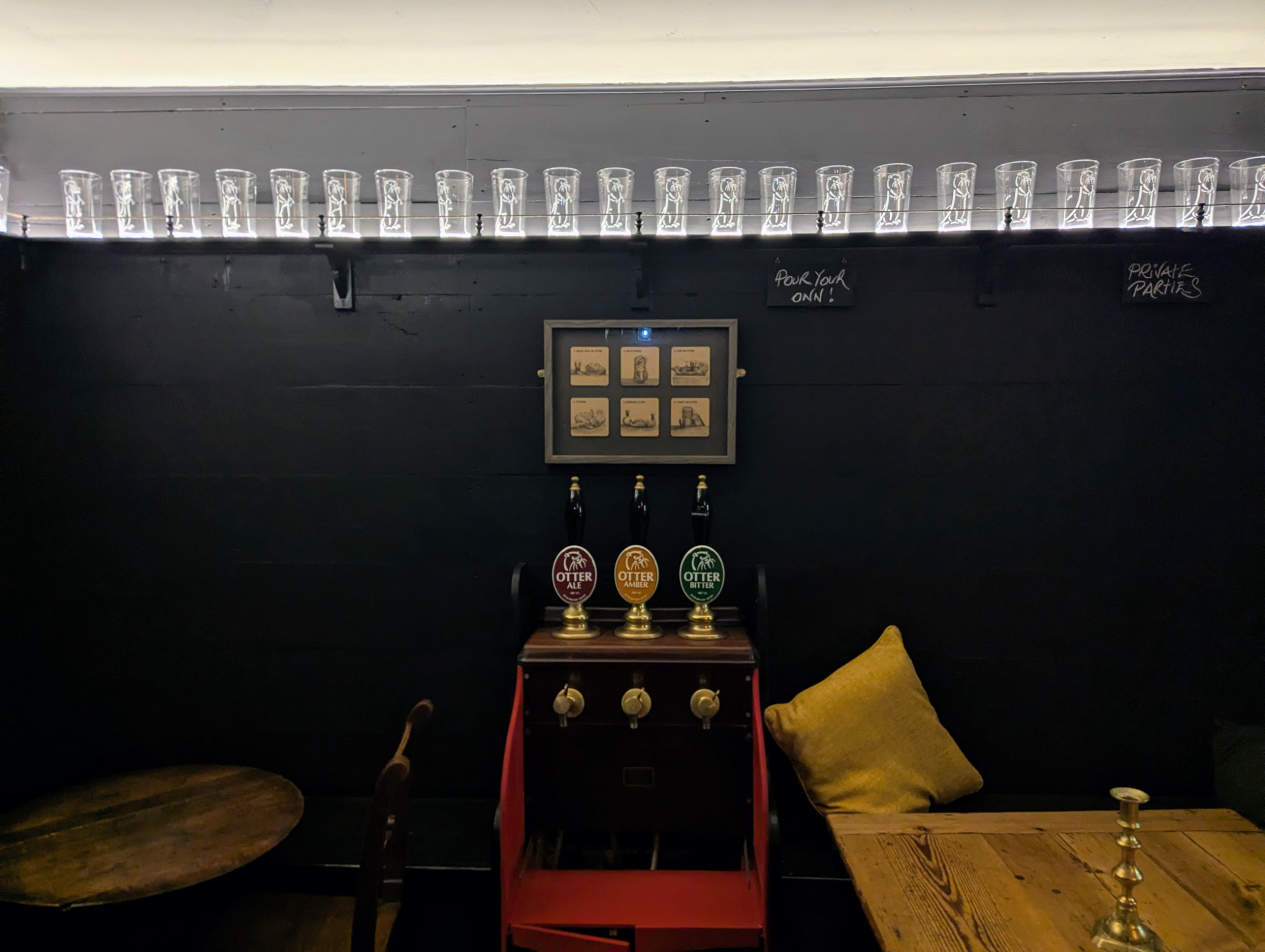
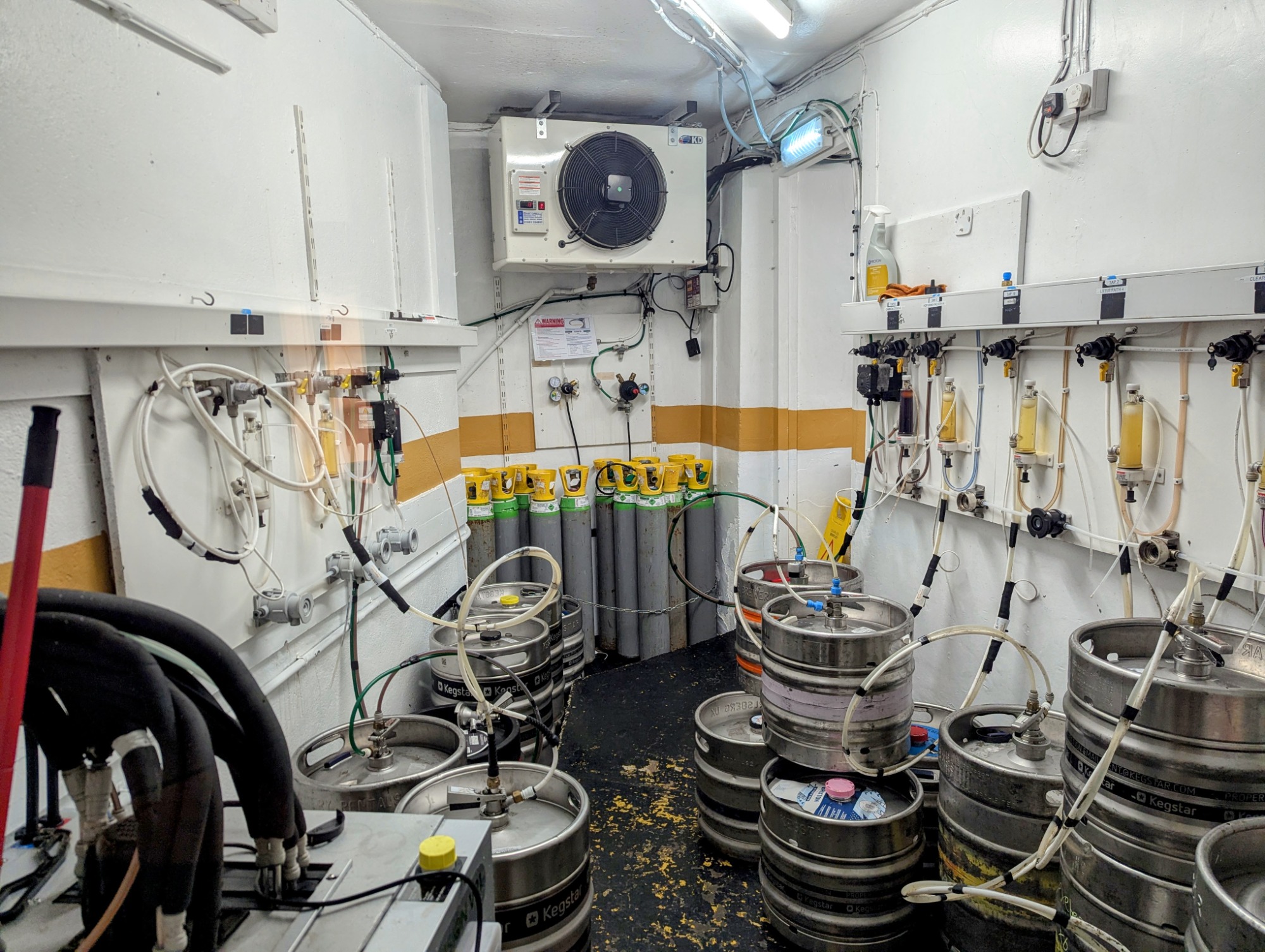
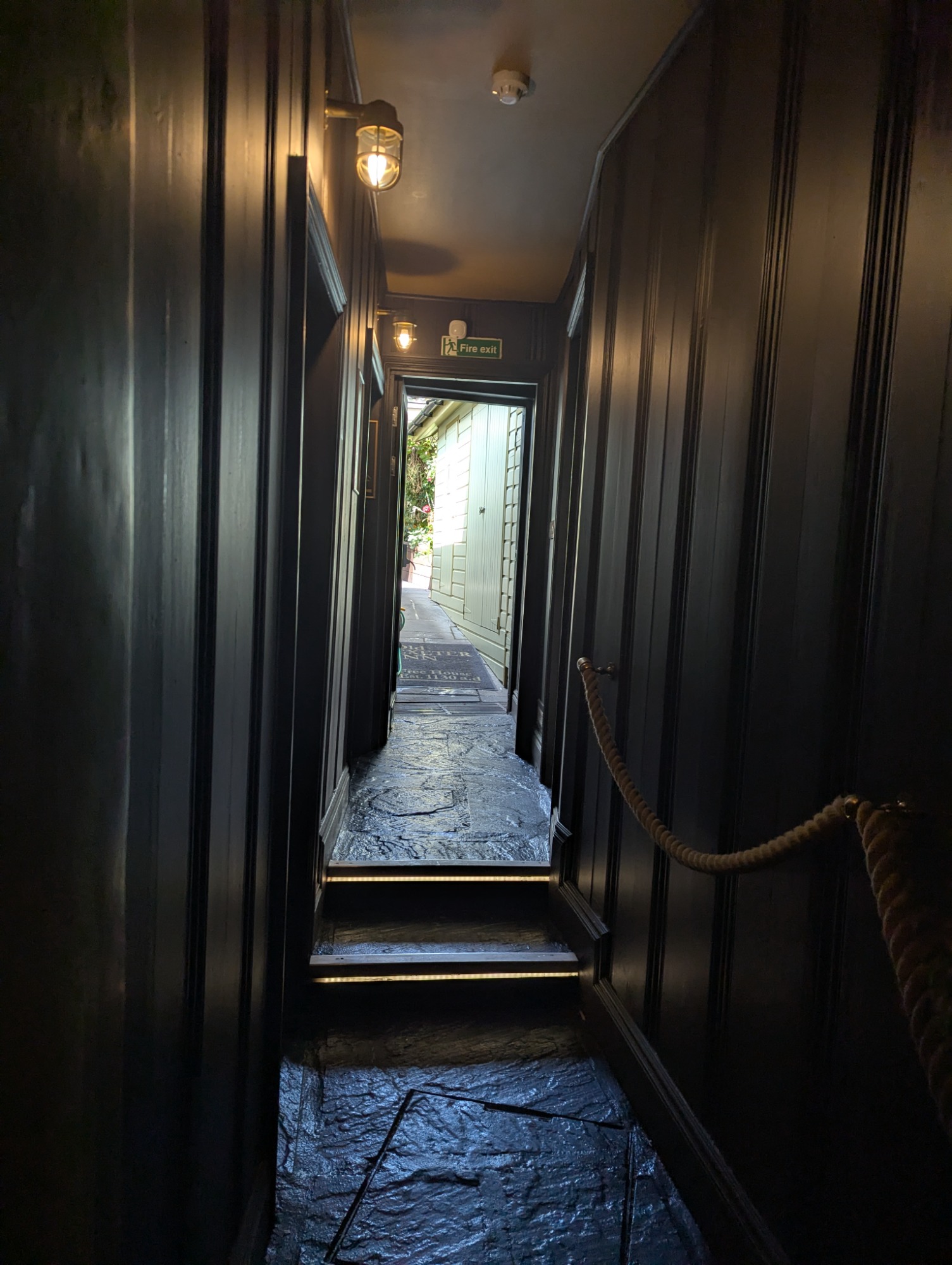
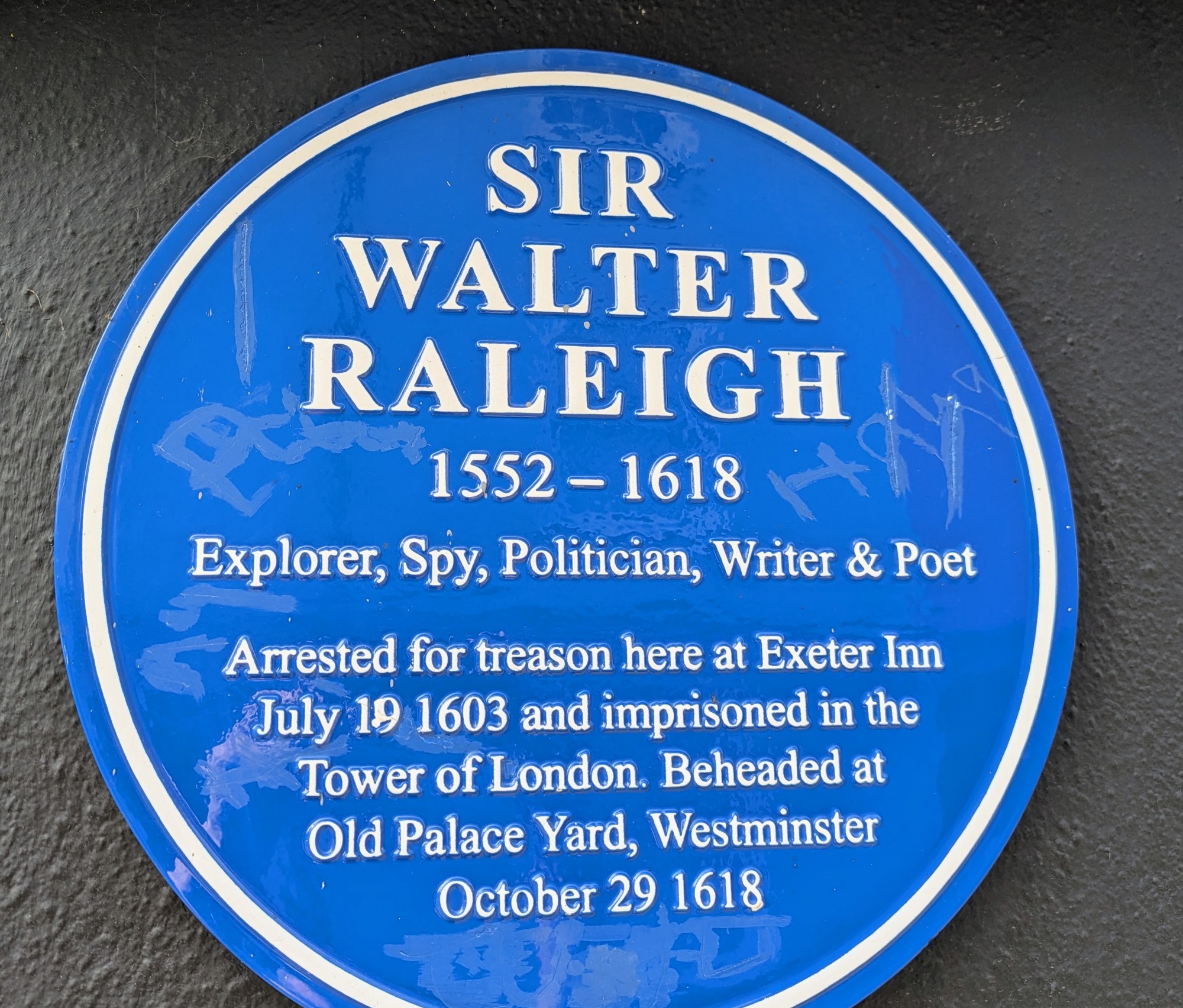
But the real magic begins when you explore. Walking through the pub is like taking a journey through the centuries. We were in awe to find ourselves in the very room where Sir Walter Raleigh was famously arrested in July 1603. Each new room is a discovery from past times, and thoughtful touches abound—like the glass door in the hallway that lets you peek into the chilled room where the kegs are kept. We also found a stunning banquet room where you can pour your own ale, which would be perfect for a group outing.
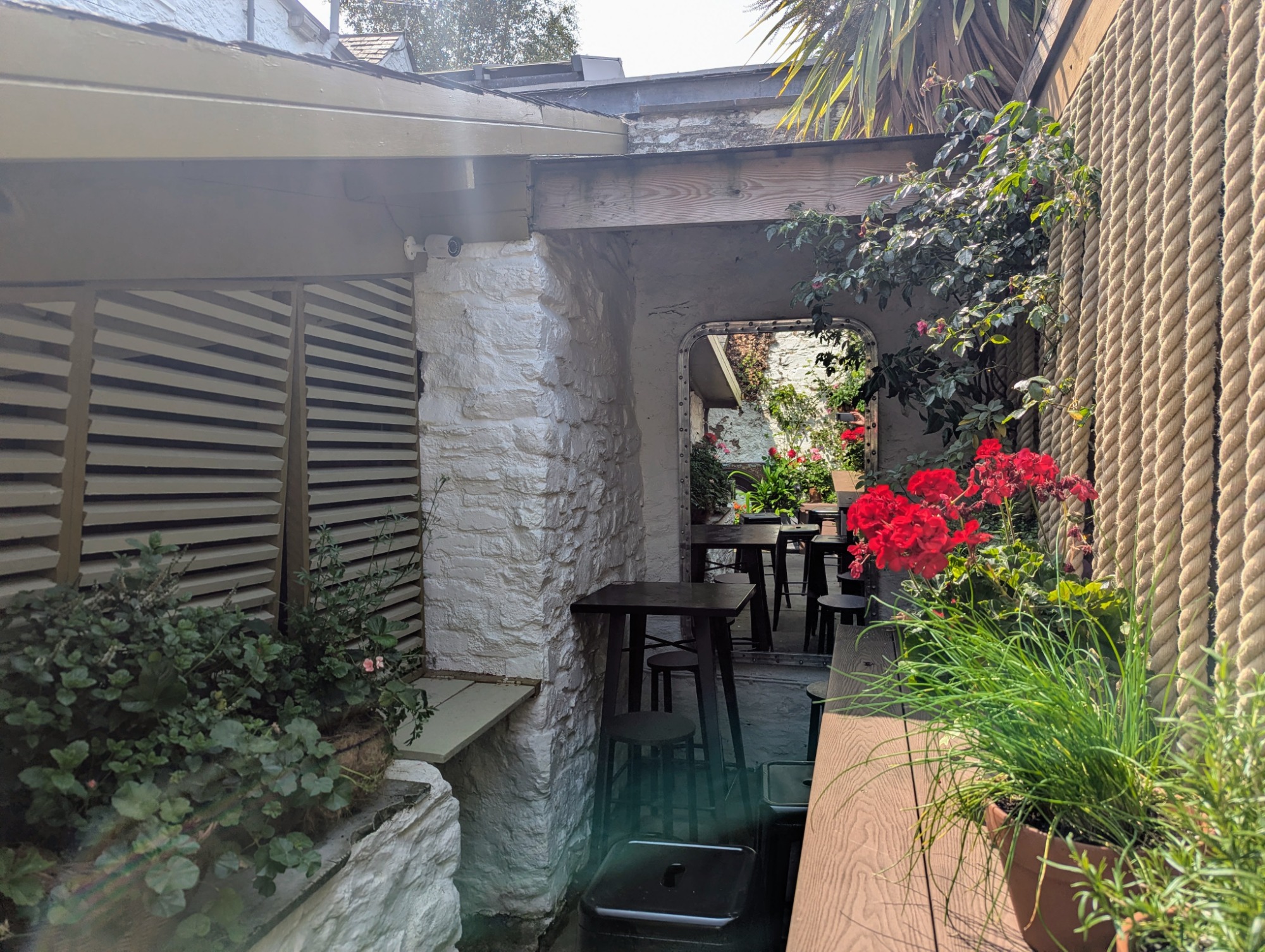
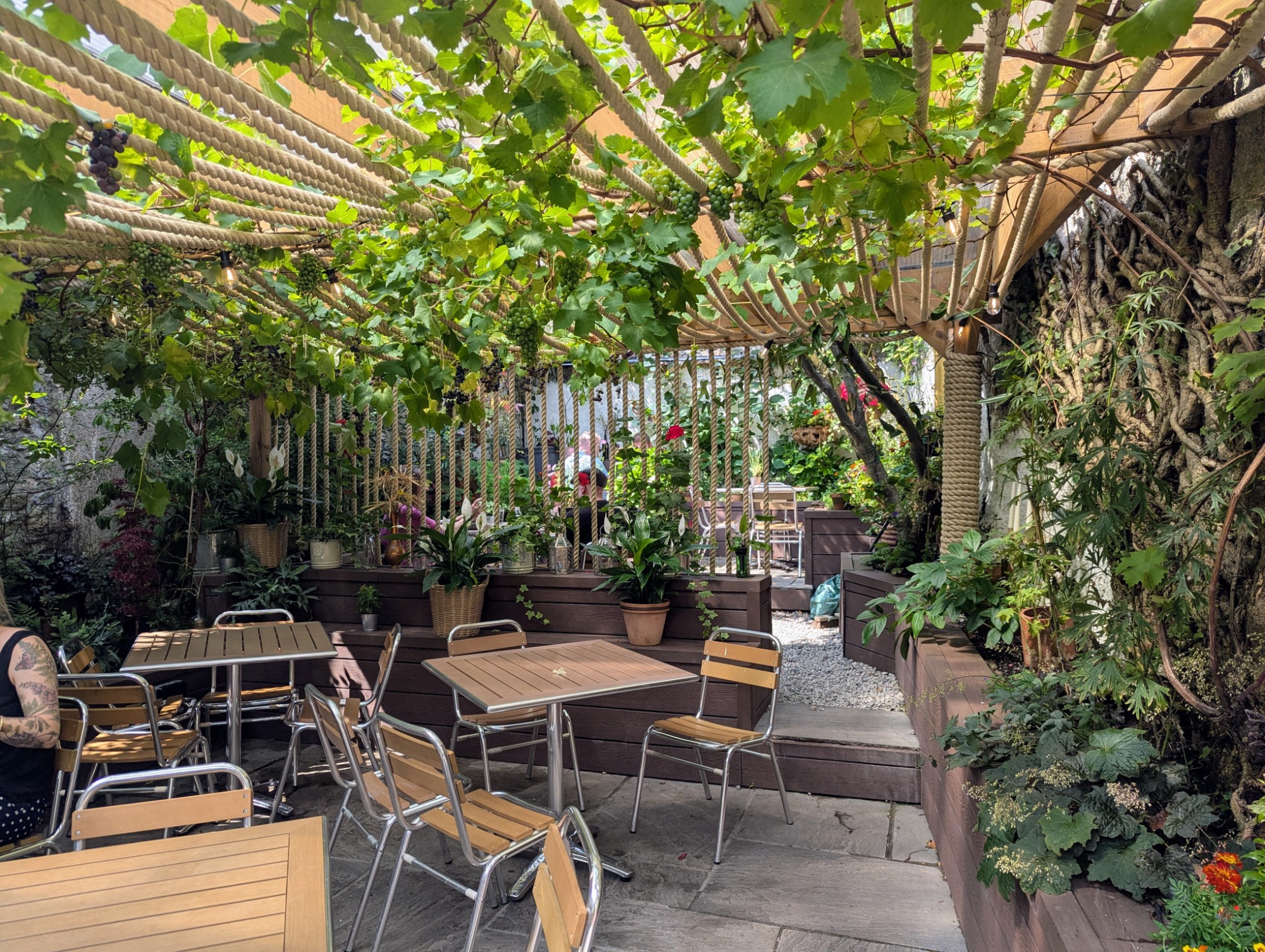
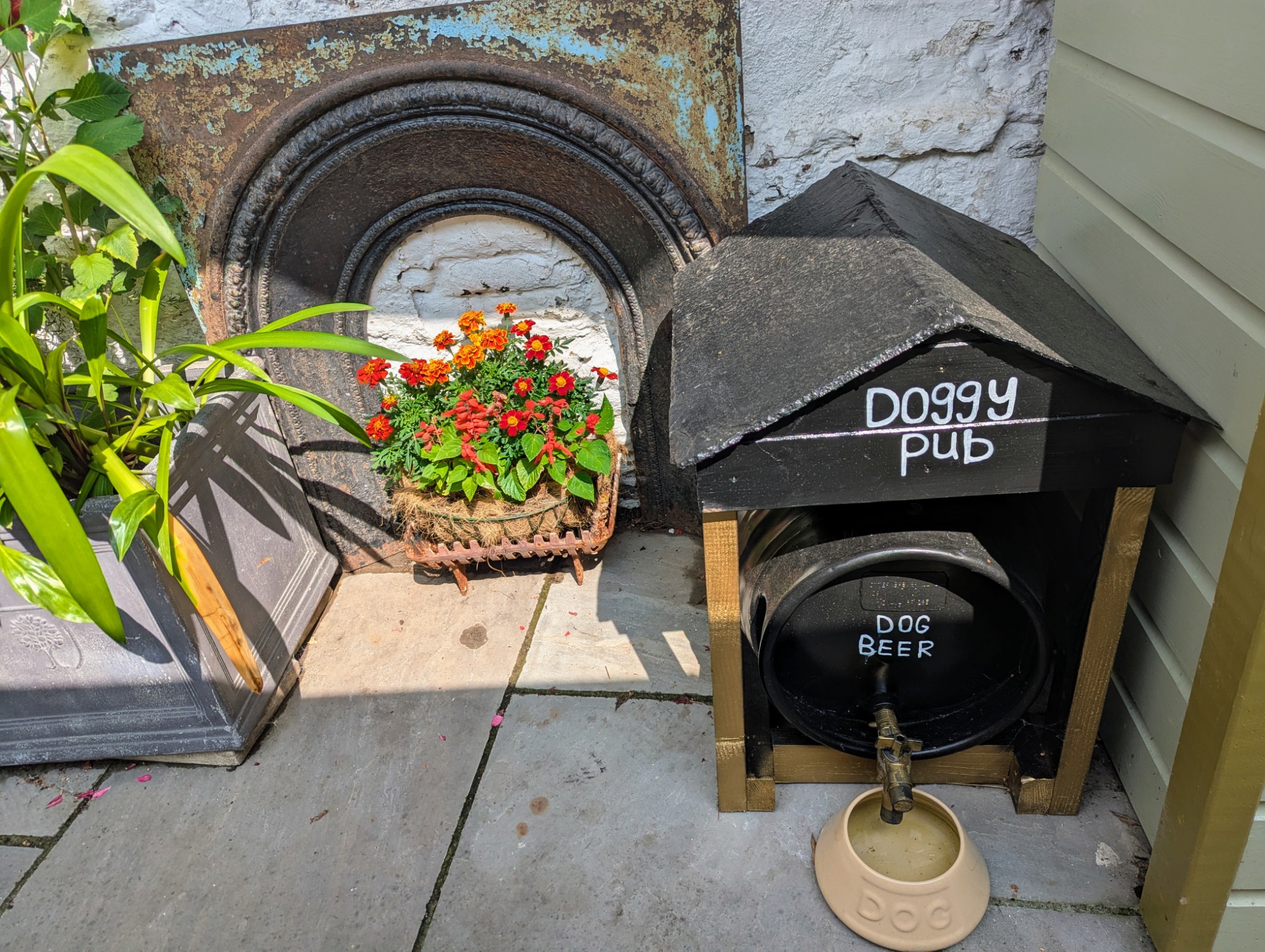
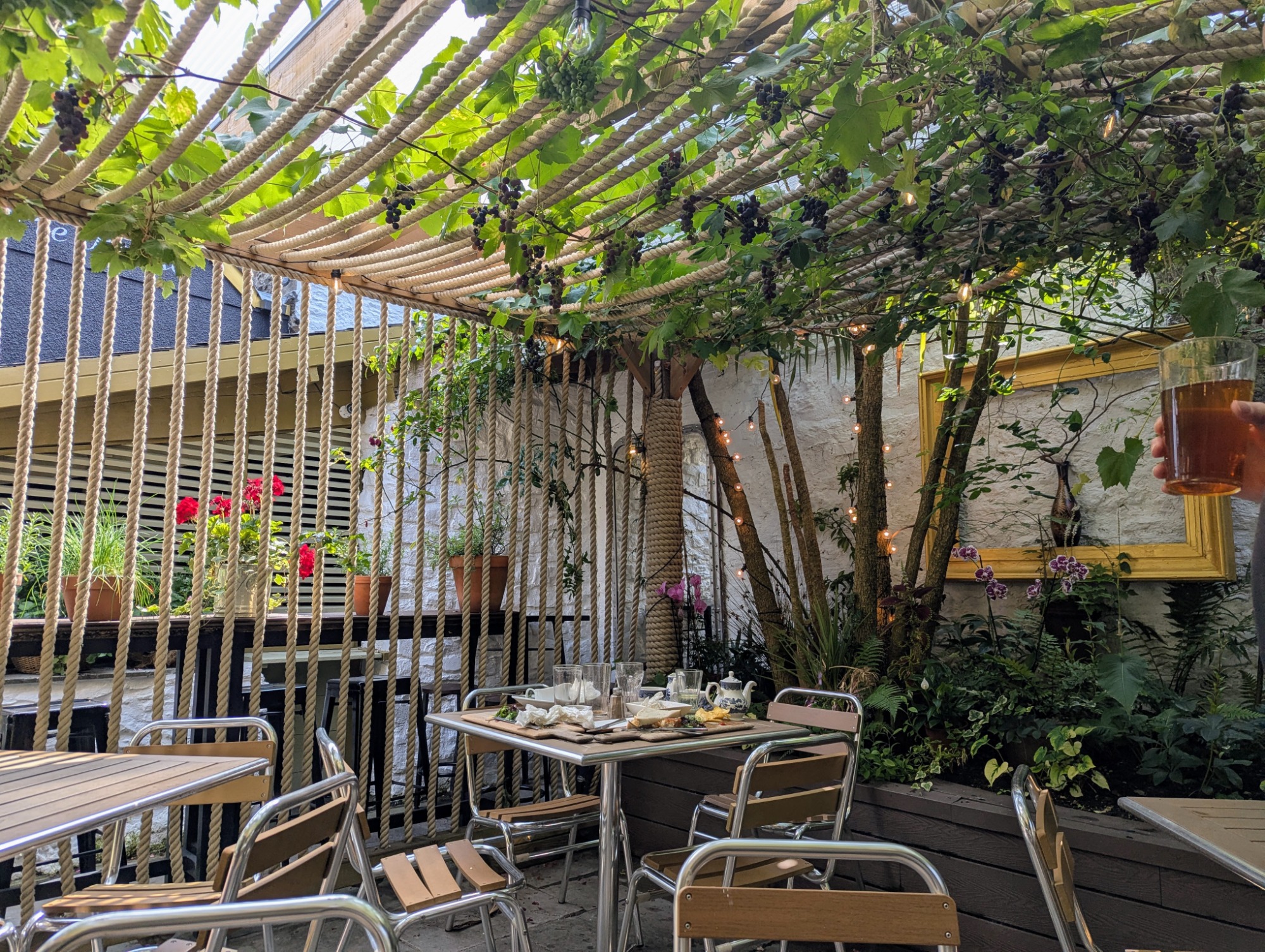
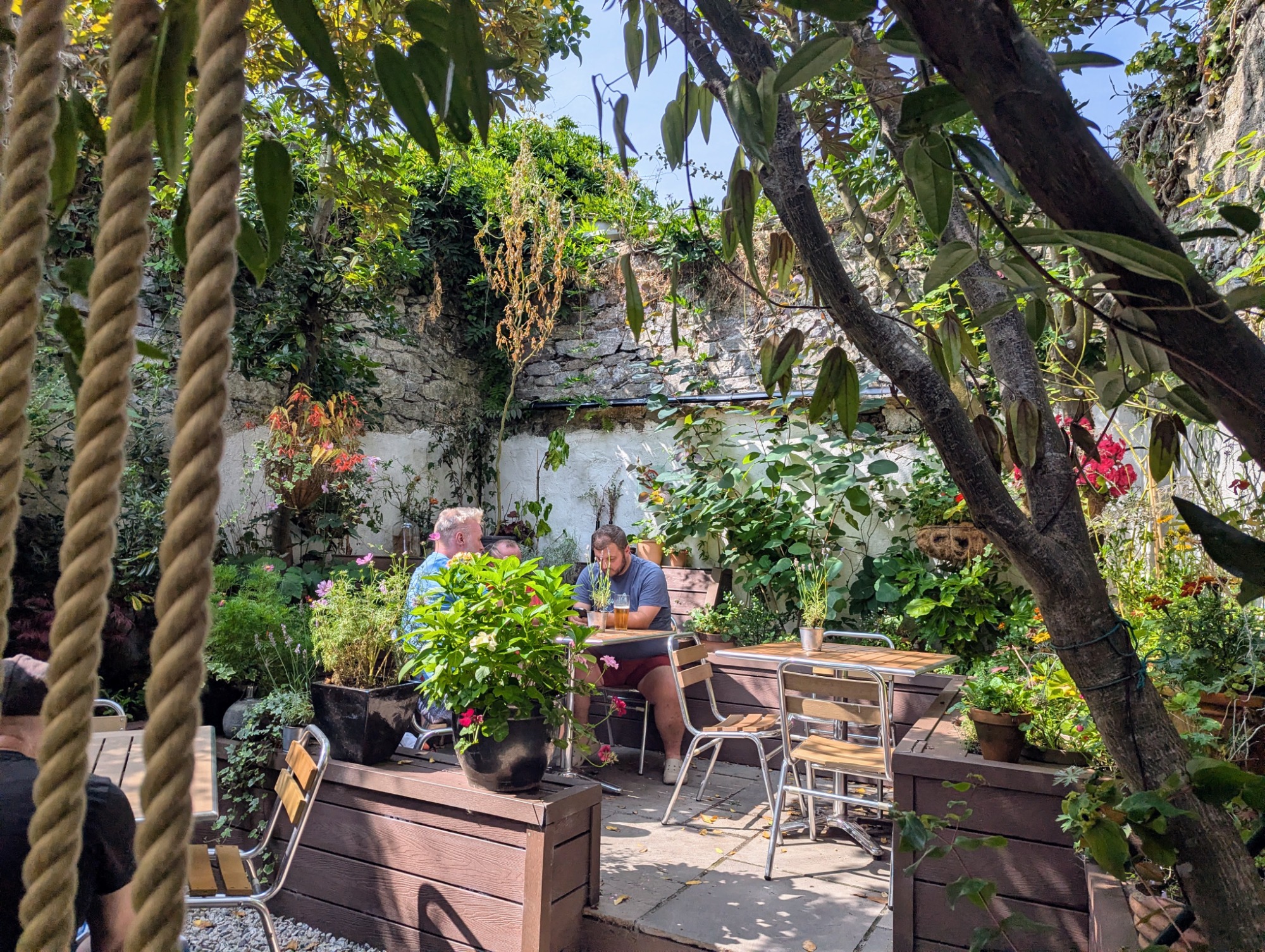
Just when we thought we'd seen it all, we discovered the garden. It is a completely out-of-this-world walled garden, a true hidden sanctuary where grapes hang from vines above the tables. The thoughtful details, from a small Apothecary Garden to a dedicated kennel with its own water tap for dogs, show just how much passion has gone into this place.
We ended our visit chatting with the manager about the ongoing restorations and their exciting plans for the pub's future. It is clear they are dedicated custodians of this historic treasure, and as a wonderful final touch, he even gave us a wax-sealed history of England. And that's before even mentioning the food, which looked absolutely top-notch.
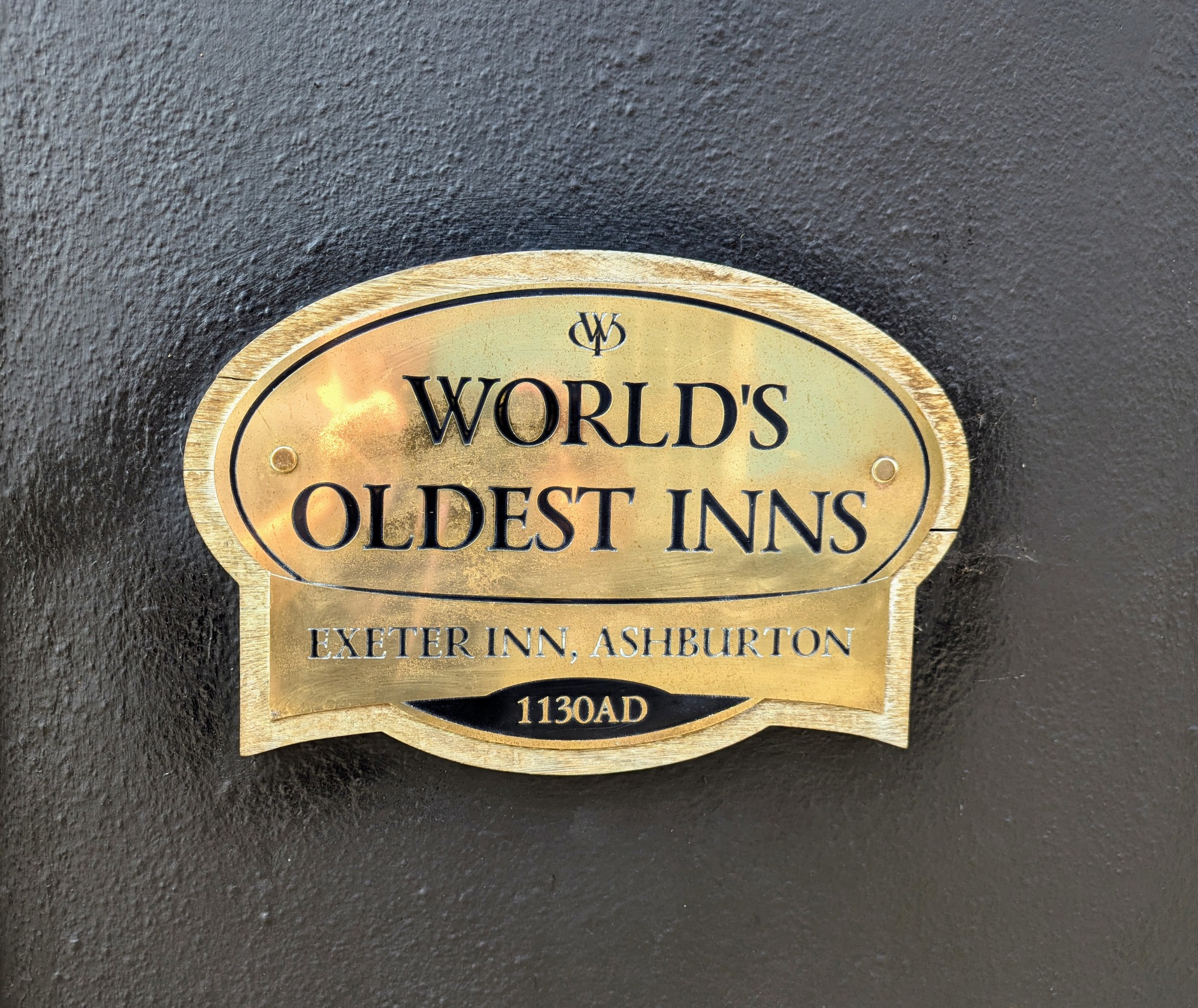
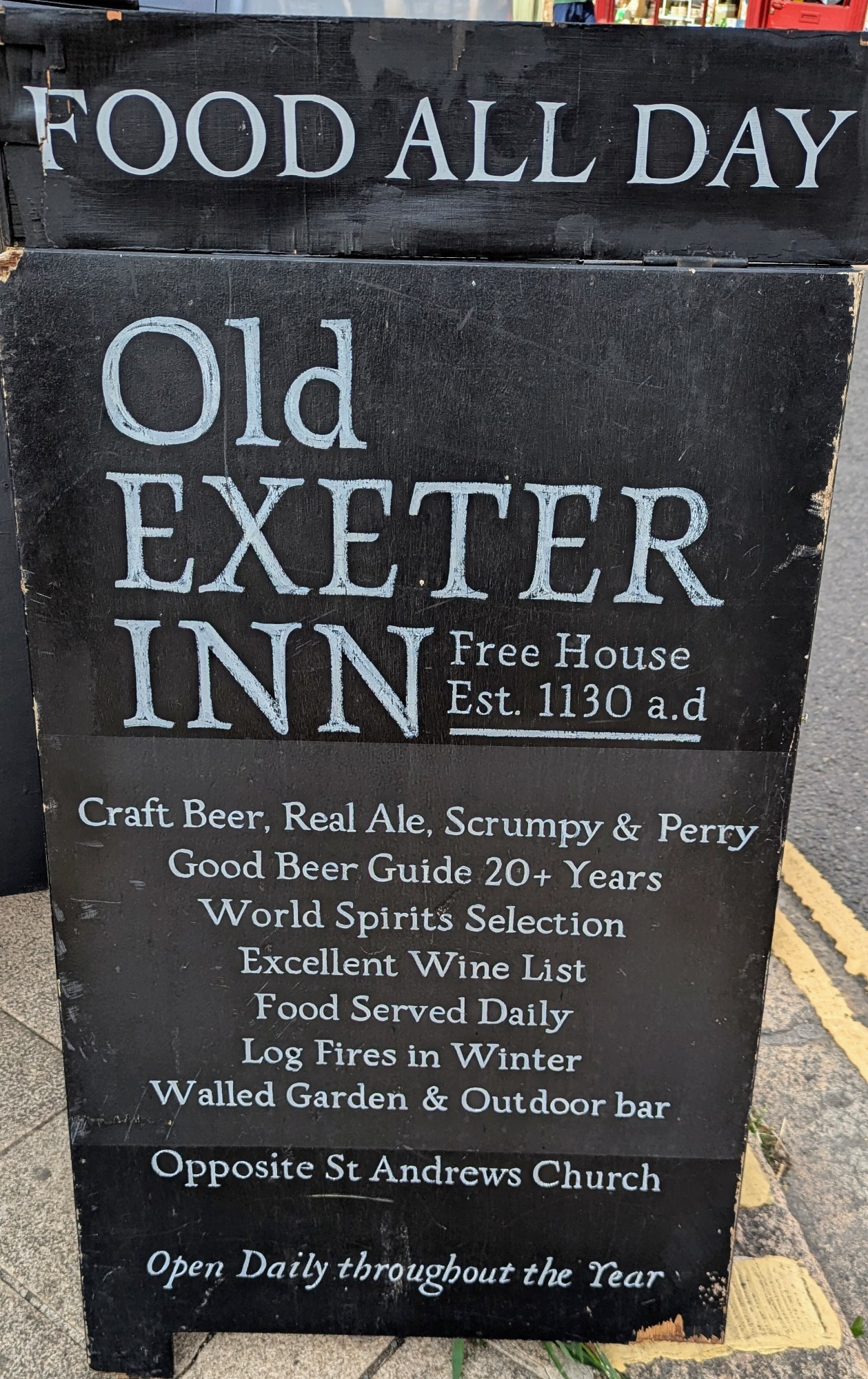
Dating back to 1130, this is a one-of-a-kind pub. What more can I say? If you ever have the chance, you absolutely must visit.
P&P
Old Exeter Inn
Background....
Reputed to be the 5th oldest pub in Britain, the Exeter Inn in Ashburton is not merely a place for a pint; it is a living chronicle of Devon's history, a building whose ancient walls have witnessed nearly a millennium of change, conflict, and community.
Nestled in the heart of the historic stannary town of Ashburton, on the edge of Dartmoor National Park, the Exeter Inn stands as a proud testament to the enduring spirit of the great British public house. With its origins dating back to approximately 1130 AD, its story is deeply interwoven with the fabric of the town, the county of Devon, and the nation itself.
Medieval Origins: A Church House for St. Andrew's
The story of the Exeter Inn begins in the early 12th century. It is widely believed to have been originally constructed as a church house, or hostelry, for the adjacent St. Andrew's Church. In an era when travel was arduous and perilous, such establishments provided essential food and lodging for visiting clergy, masons, and craftsmen working on the church, as well as for parishioners who had travelled long distances to attend services.
Built from local granite, cob, and sturdy Dartmoor oak, the earliest incarnation of the building would have been a simple, functional structure. It served a vital role in the parish, often hosting church ales (festivals to raise funds for the church) and community gatherings, establishing its place as a central hub of local life from its very inception.
Ashburton and the Stannary Town
To understand the Inn's importance, one must understand Ashburton's. By the 14th century, Ashburton had become a vital 'Stannary Town'. This designation, granted by charter, meant it was one of the few towns where tin mined from Dartmoor was weighed, stamped (coined), and taxed for the Crown.
The tin trade brought immense wealth, traffic, and importance to the town. The Exeter Inn, strategically located, would have been bustling with miners, merchants, and officials. Deals were struck, fortunes were made and lost, and the Inn's rooms would have echoed with discussions of politics and trade over flagons of ale. It was a melting pot of Devon society during the region's industrial peak.
Tudors, Stuarts, and Civil War
The Inn survived the tumultuous Tudor and Stuart periods, witnessing the Reformation and the dawn of a new age of exploration. Legend holds that famous Devon sea captains like Sir Walter Raleigh and Sir Francis Drake may have frequented the Inn while travelling between Plymouth and Exeter, planning their voyages to the New World.
Its most significant role on the national stage came during the English Civil War (1642-1651). Devon was a county fiercely divided in its loyalties. Ashburton, due to its strategic position on a key arterial route, was occupied by both Royalist and Parliamentarian forces at different times.
In 1646, the Parliamentarian commander Sir Thomas Fairfax, leading the New Model Army, marched through Ashburton. It is almost certain that he and his officers would have used the Exeter Inn as a billet or headquarters, planning their successful campaign to secure the West Country from the Royalists. The Inn’s robust walls provided a secure and strategic base for the troops.
The Golden Age of Coaching
With the rise of stagecoach travel in the 18th and 19th centuries, the Exeter Inn entered its heyday as a prominent Coaching Inn. Positioned on the primary road connecting the major cities of Exeter and Plymouth, it was an essential stop.
The courtyard, now a peaceful beer garden, would have been a scene of frantic activity. Coaches would thunder in, horses were unharnessed and swapped for fresh teams from the stables, while weary passengers disembarked to seek refreshment and a warm bed. The Inn became a vital node in the national transport network, a place where news, gossip, and mail were exchanged, long before the arrival of the railway sealed the fate of the coaching era.
Architectural Features & Lingering Spirits
A visit to the Exeter Inn today is a step back in time. Its architecture tells its story:
Low Beamed Ceilings: The dark, heavy oak beams, many of which are original, show the adze marks of the medieval craftsmen who shaped them.
Inglenook Fireplaces: The vast, walk-in fireplaces were the heart of the Inn, providing warmth, light, and a place to cook for centuries.
Thick Stone Walls: The solid granite walls, in some places several feet thick, have kept the Inn standing through centuries of weather and wear.
Uneven Floors: The flagstone floors, worn smooth by the passage of countless feet, slope and dip with the gentle subsidence of age.
Like any building with such a long and storied past, the Exeter Inn is said to have a resident ghost. The most frequently reported presence is that of a friendly spirit named Thomas, a Royalist soldier who, according to legend, was caught and killed in the Inn during the Civil War. He is said to make his presence known through mischievous, harmless acts.
The Exeter Inn Today
While it no longer serves medieval masons or stagecoach passengers, the Exeter Inn continues its ancient tradition of hospitality. It remains a cornerstone of the Ashburton community, a beloved pub offering fine local ales, food, and a genuine connection to history.
To sit by the crackling fire in the inglenook is to share a space with the generations who came before – the tin miners, the merchants, the soldiers, and the travellers. The Exeter Inn is more than just one of Britain’s oldest pubs; it is a priceless piece of living history, a treasure of Dartmoor, and a story still being told.

Find us on YouTube