
The Turf Hotel
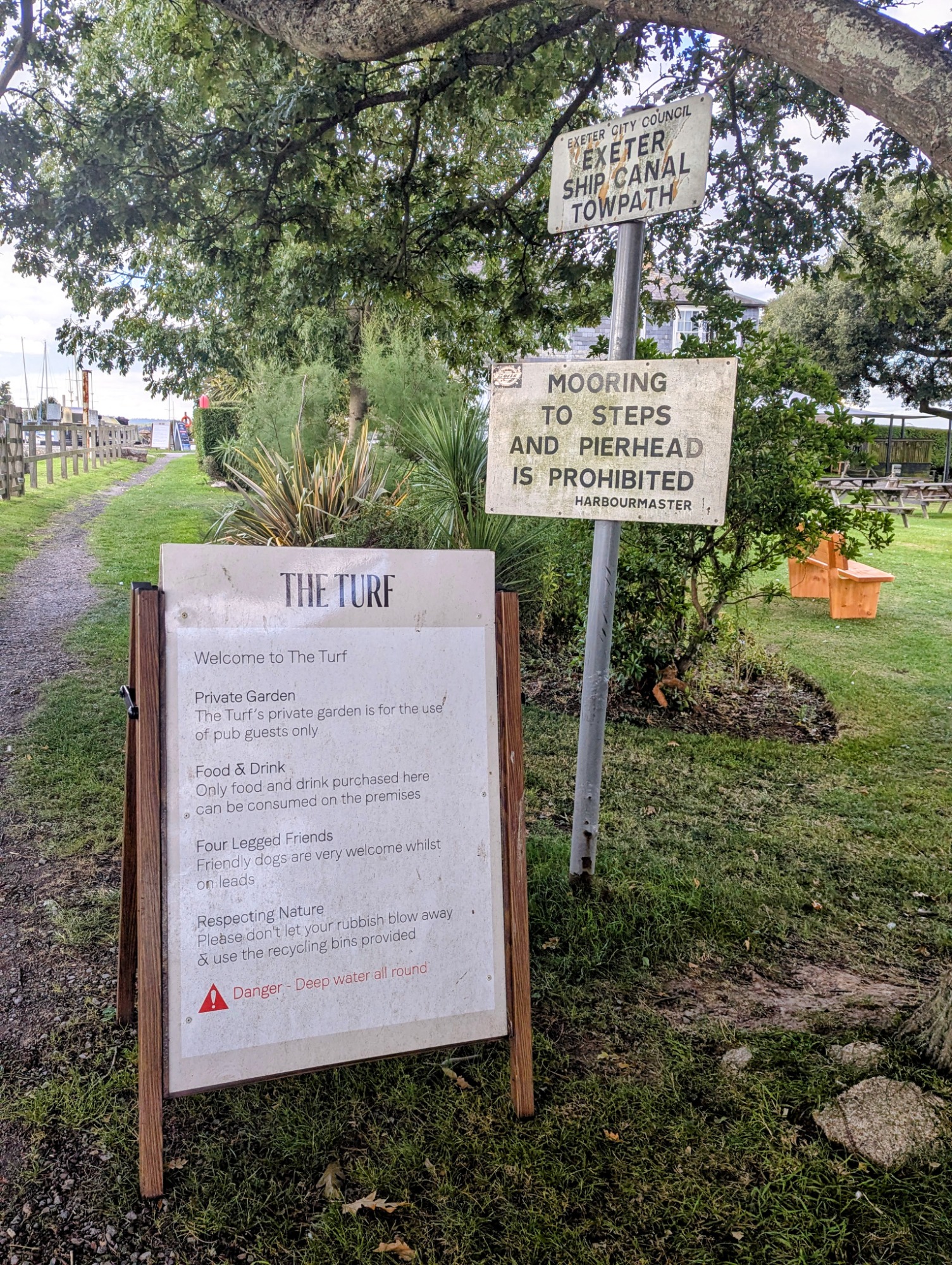
What a hidden gem. Part of the charm of this pub is the journey to get there. It’s beautifully tucked away, accessible only by foot or bicycle along the scenic canal path. If you're driving, you can park your car and enjoy a lovely 15-minute stroll along the beautiful canal, a path bustling with local life like fishermen, runners, and bird spotters.
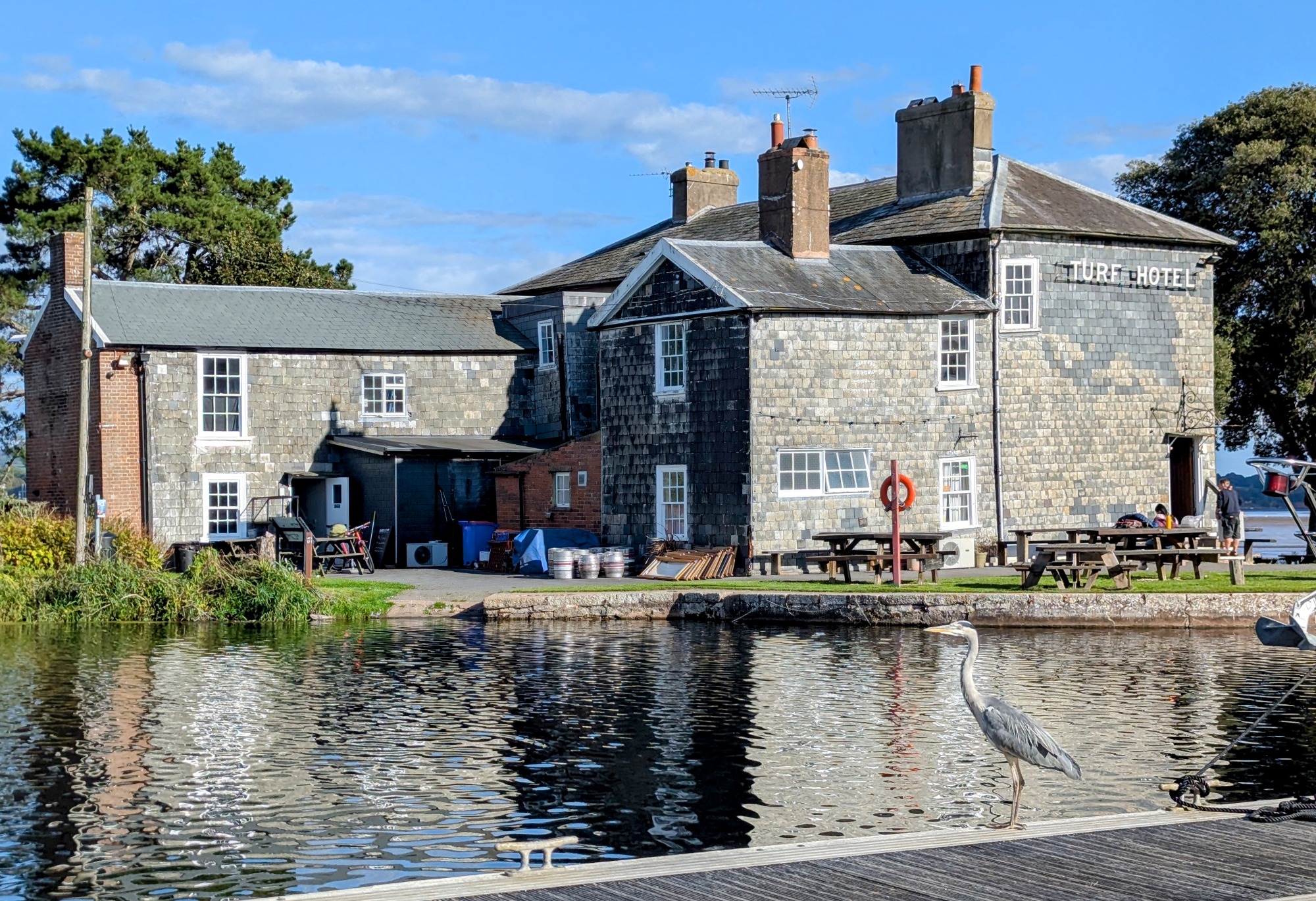
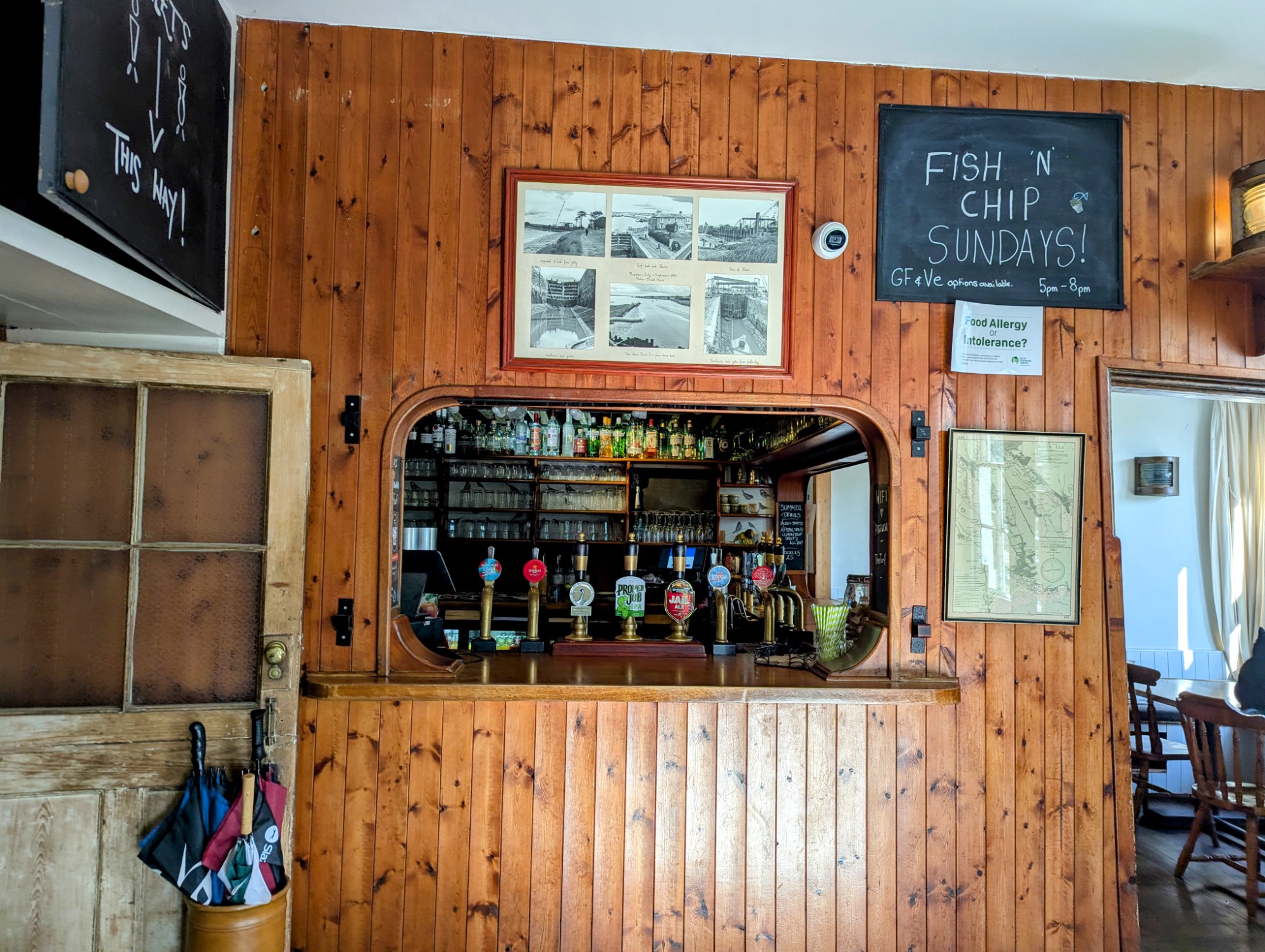
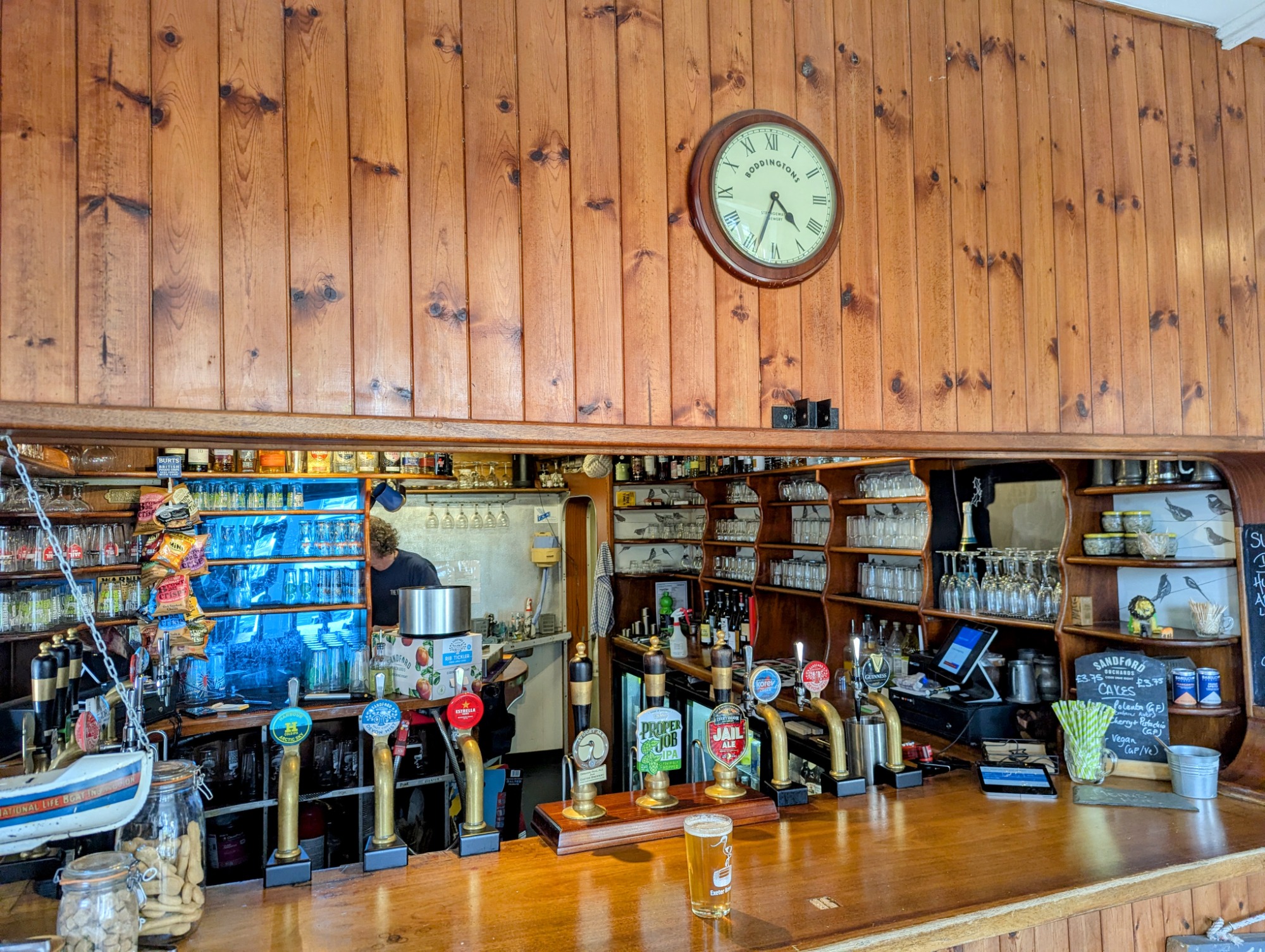
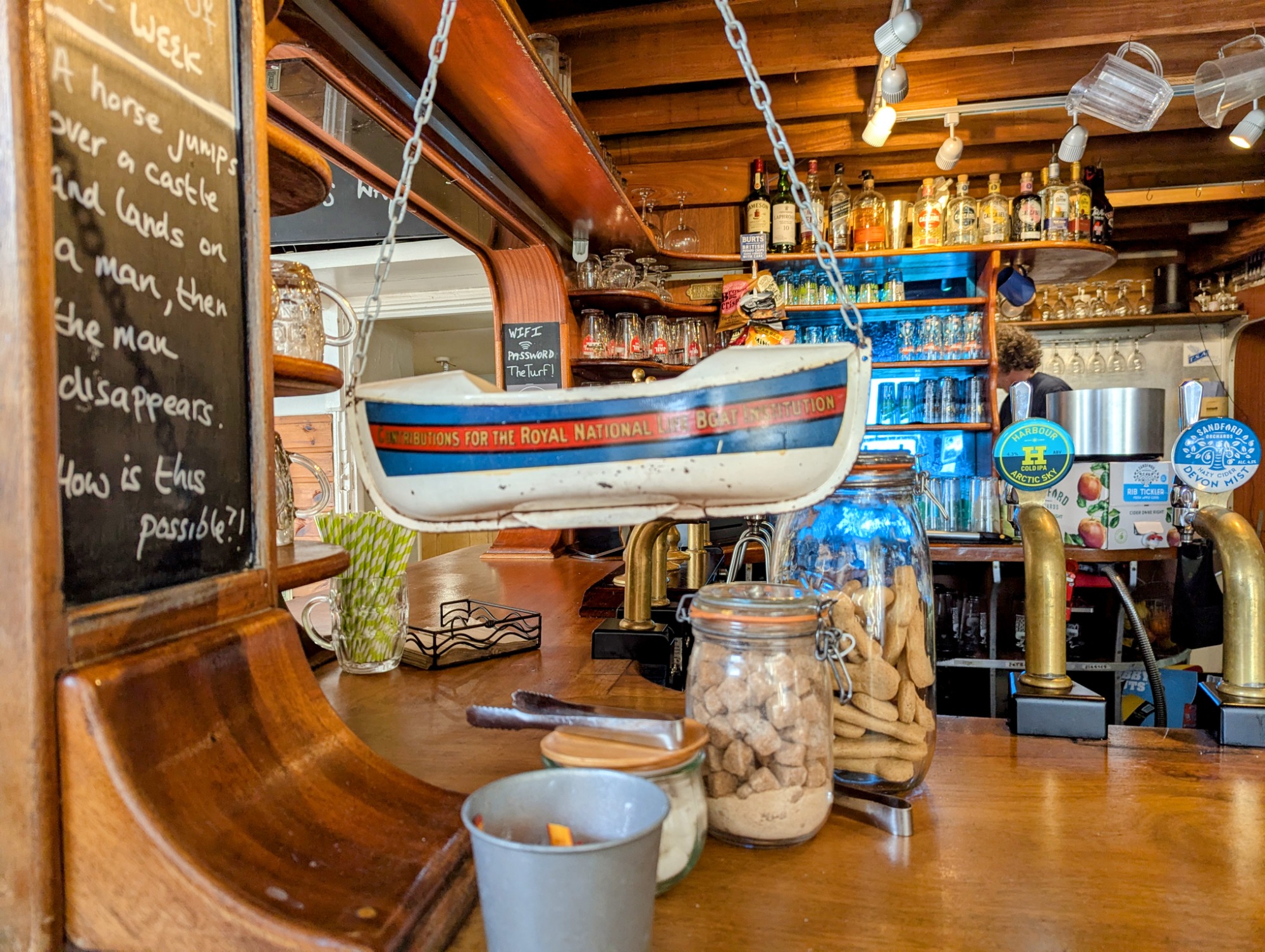
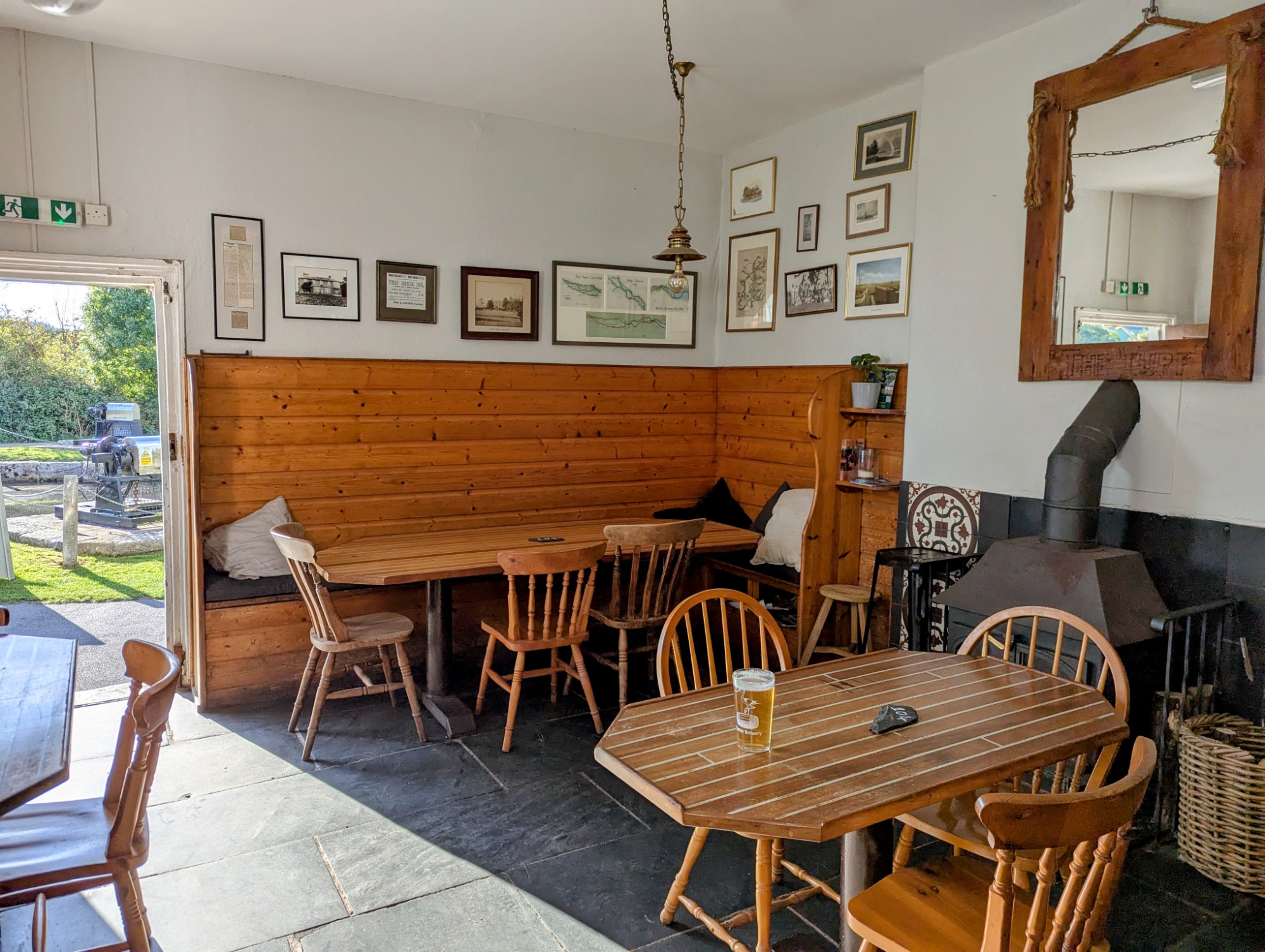
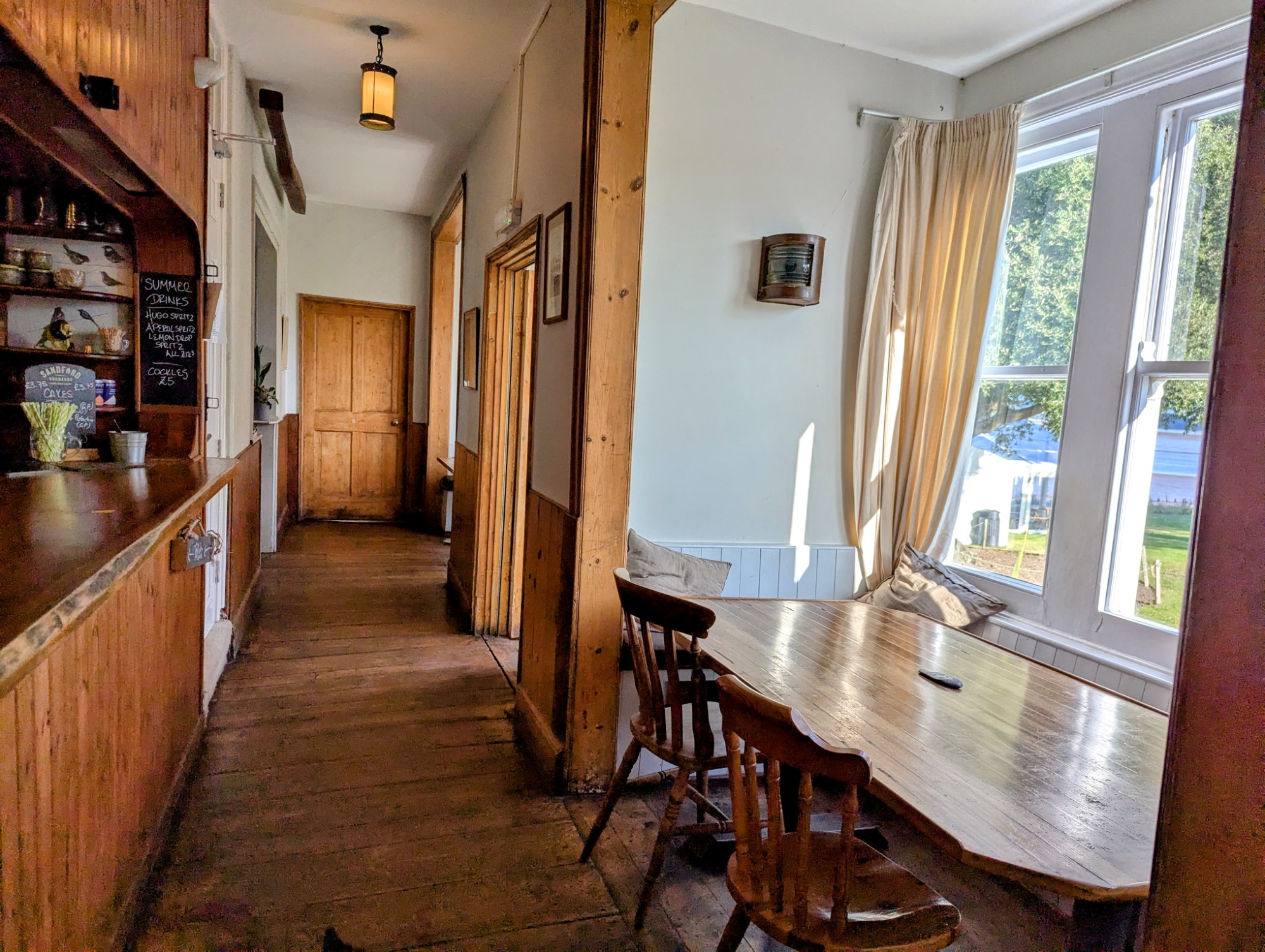
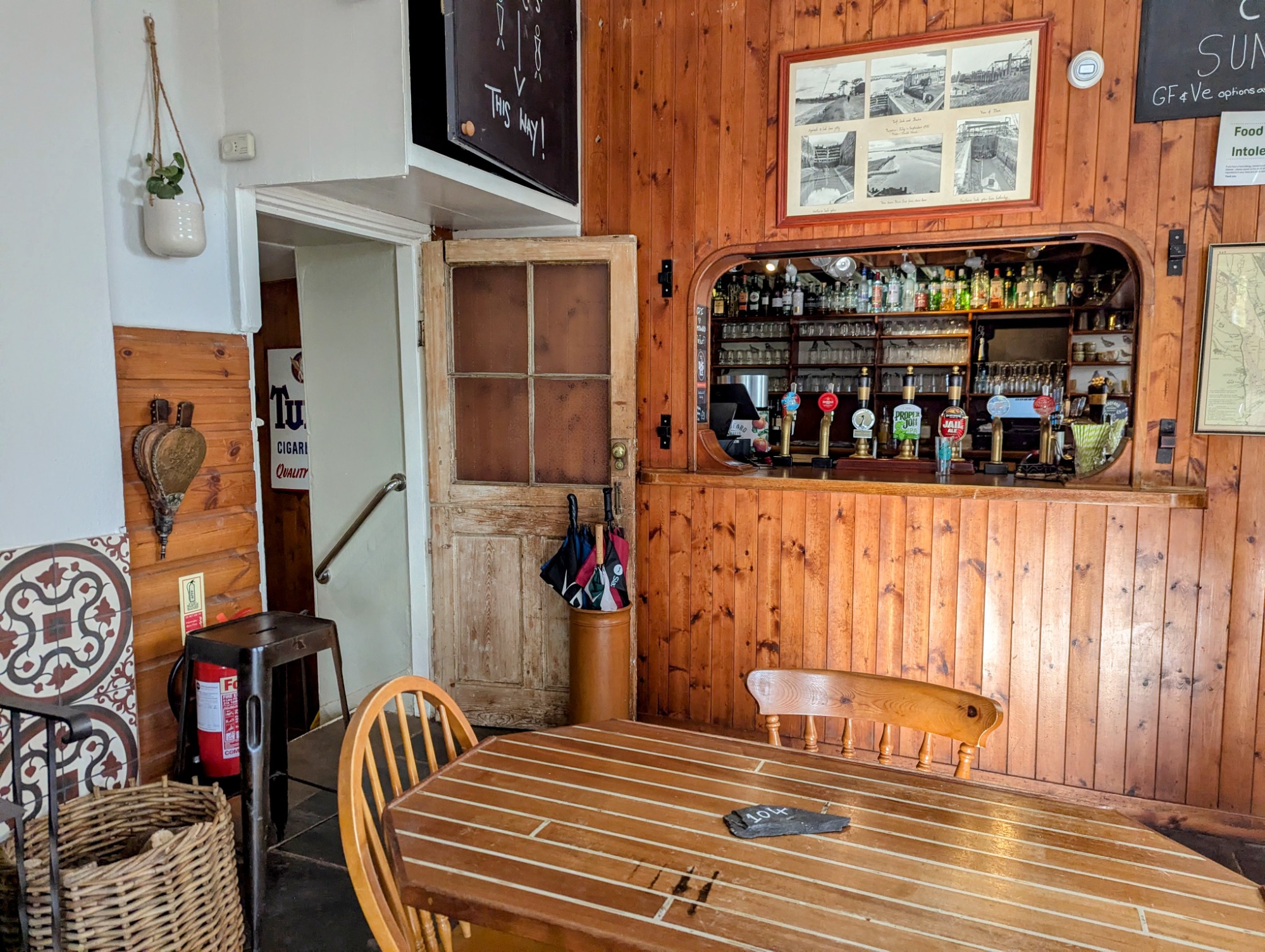
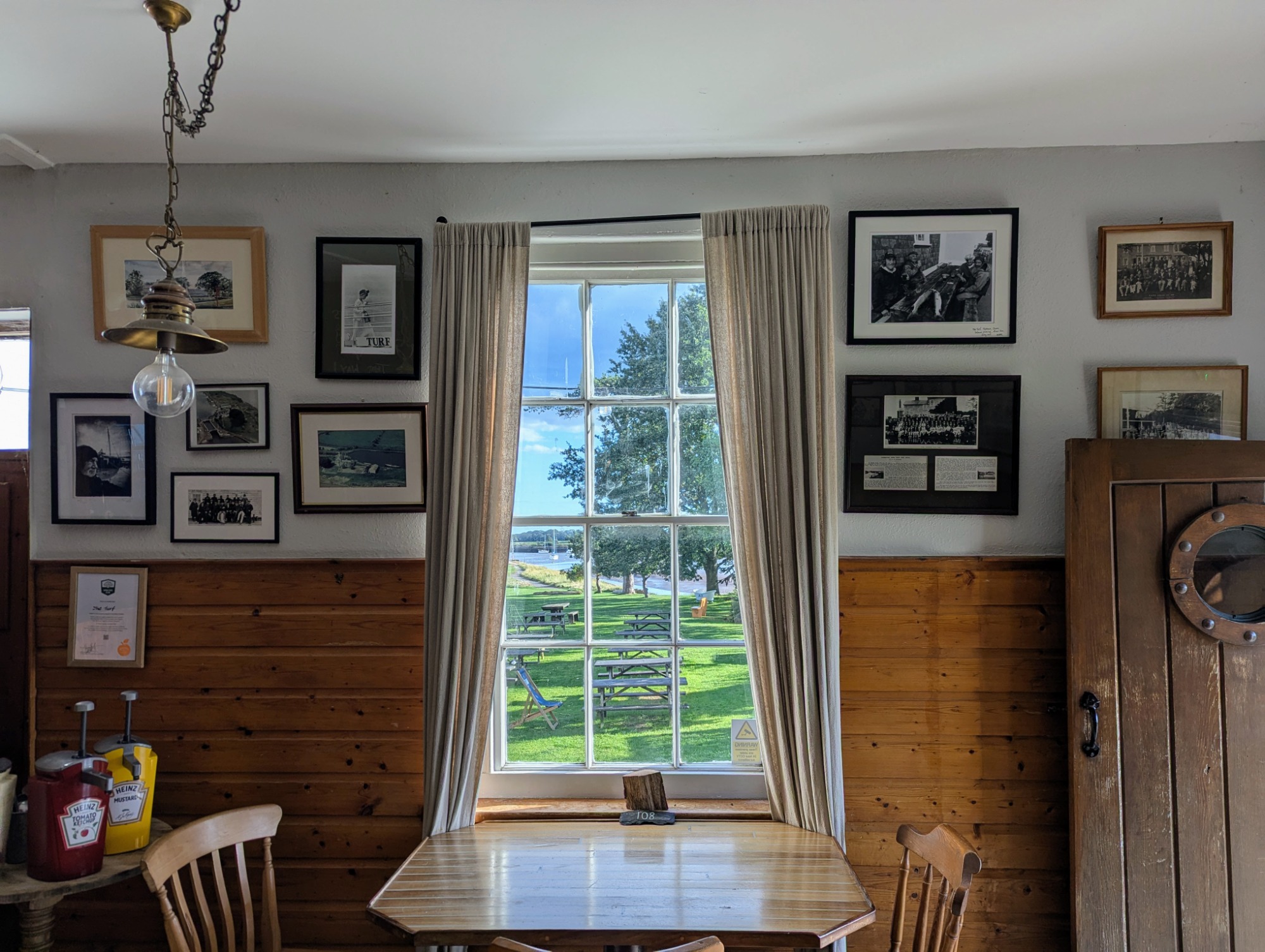
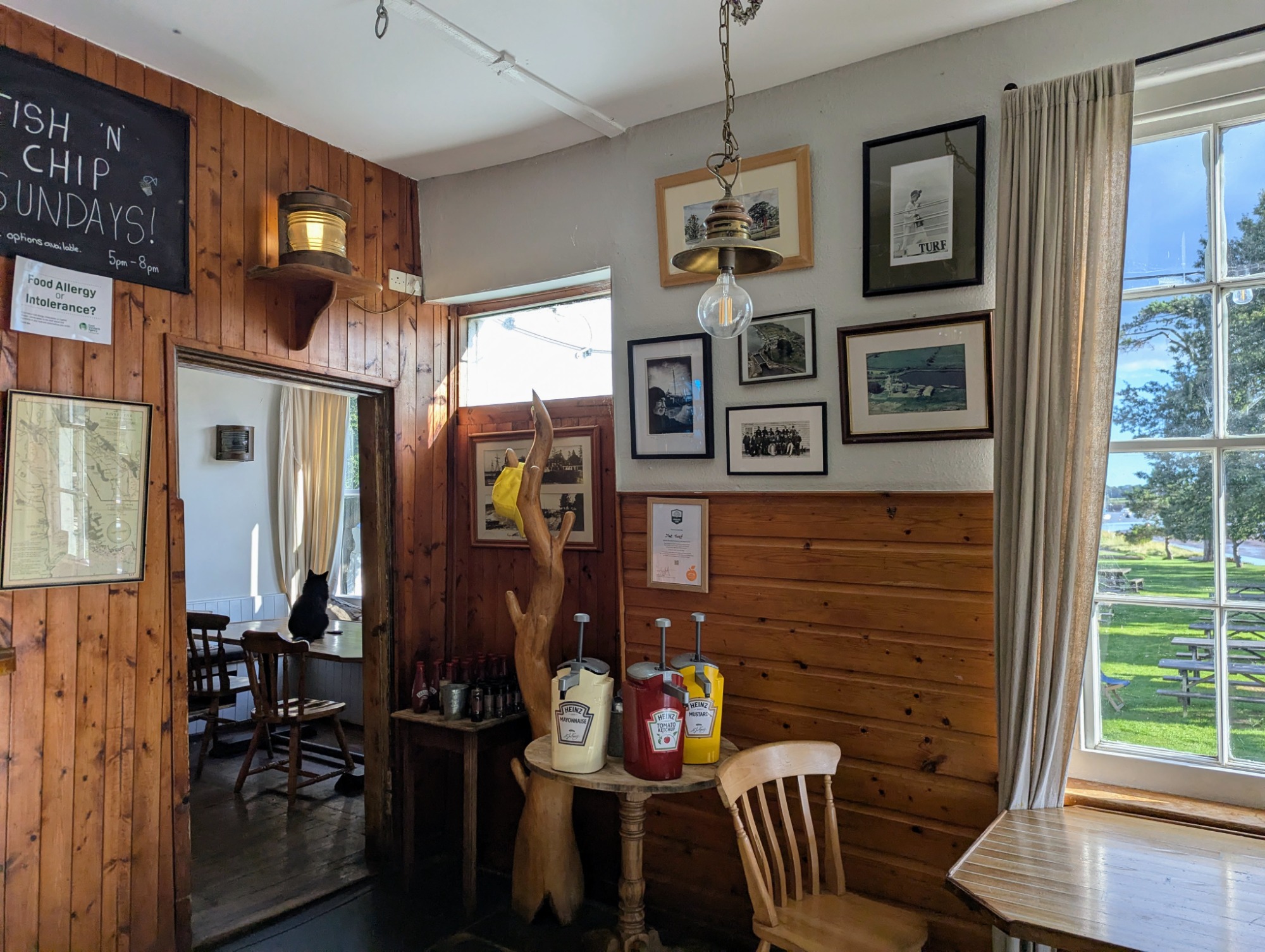
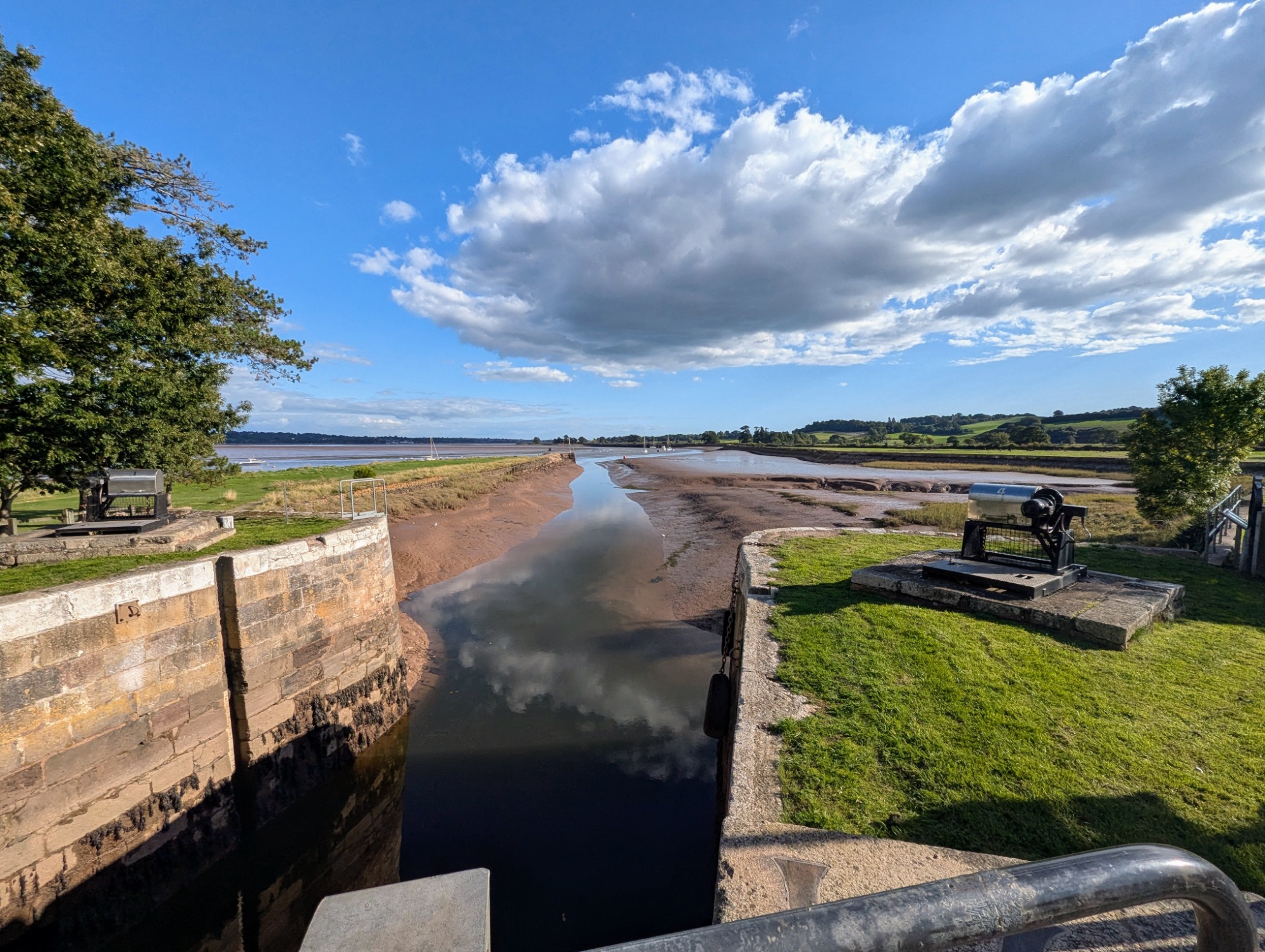
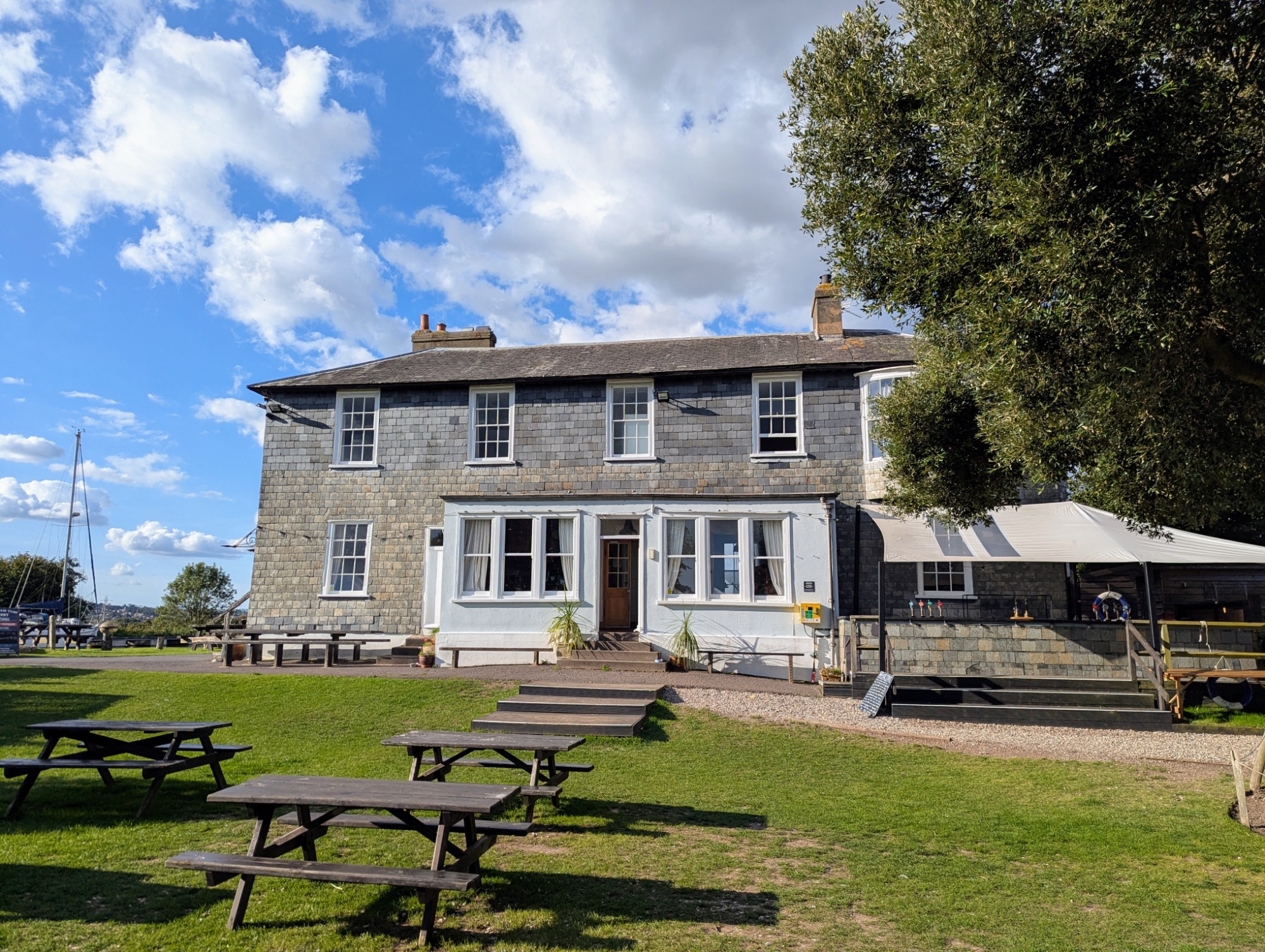
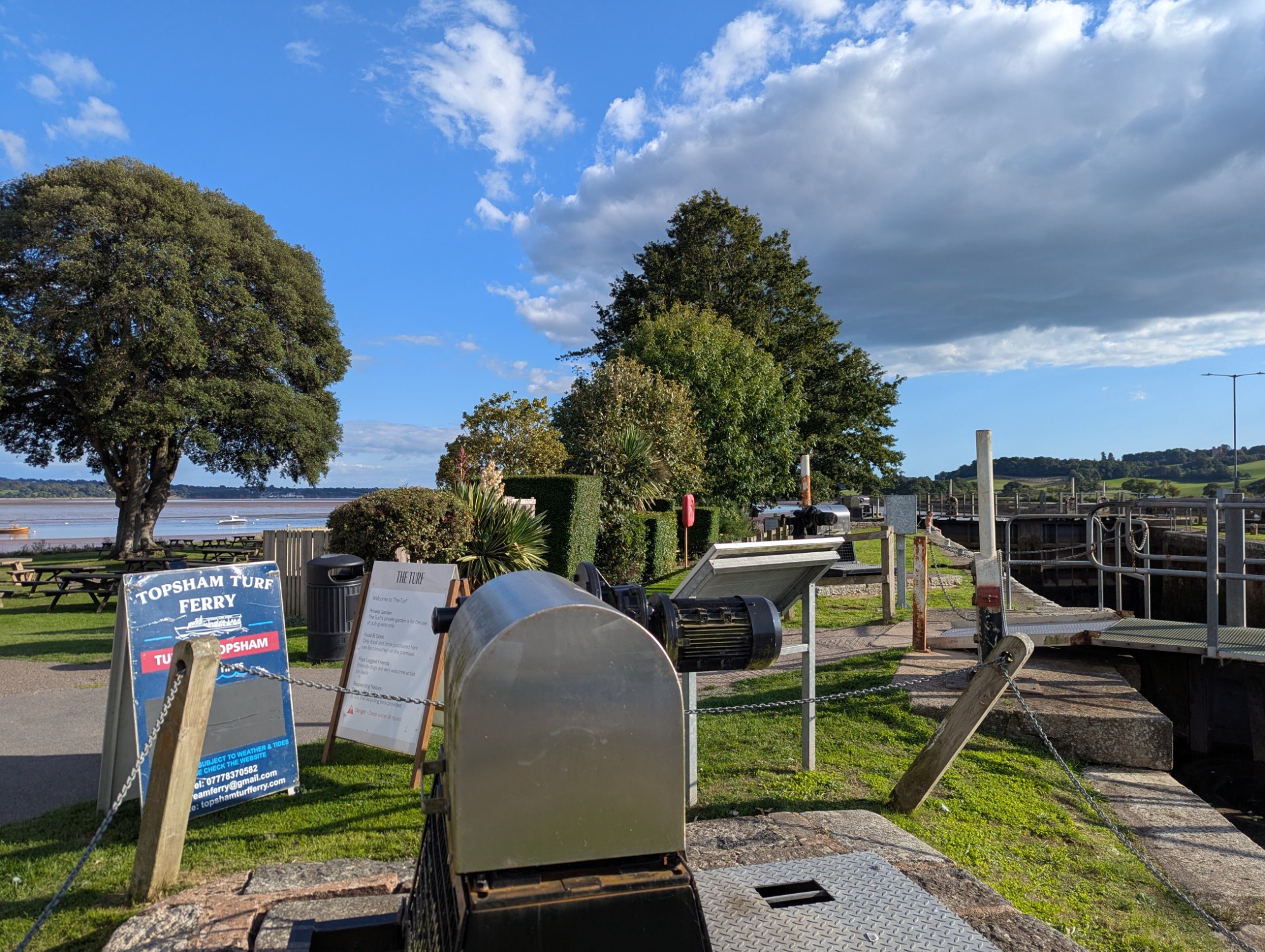
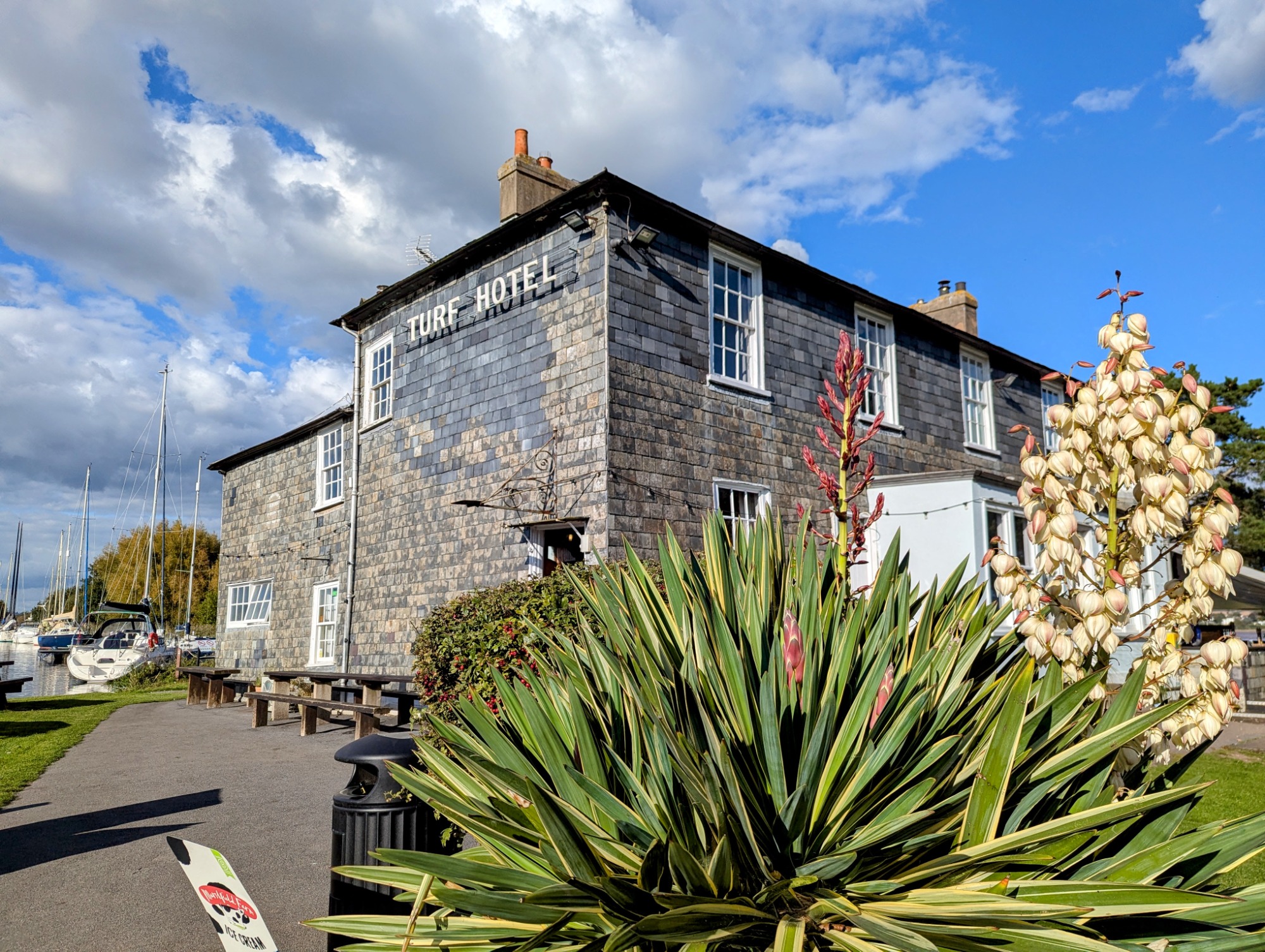
The pub itself is perfectly situated between the tranquil Exe Estuary and the historic Exeter Ship Canal. Inside, you'll find a wonderfully cosy bar with a delightful nautical theme, featuring charming wood panelling and a clever ship's window for the bar hatch. A welcoming wood burner promises a snug atmosphere on those chilly winter nights.
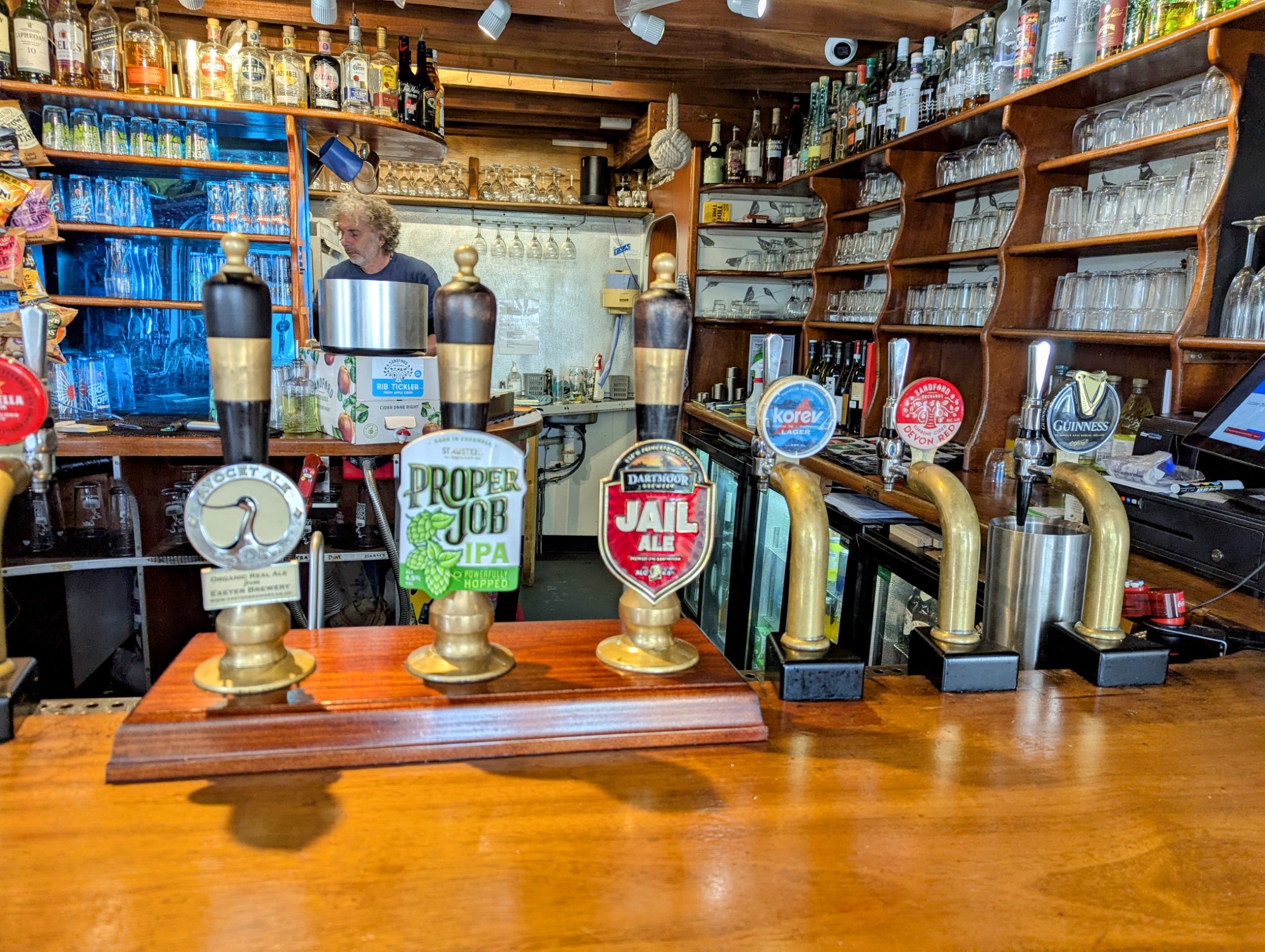
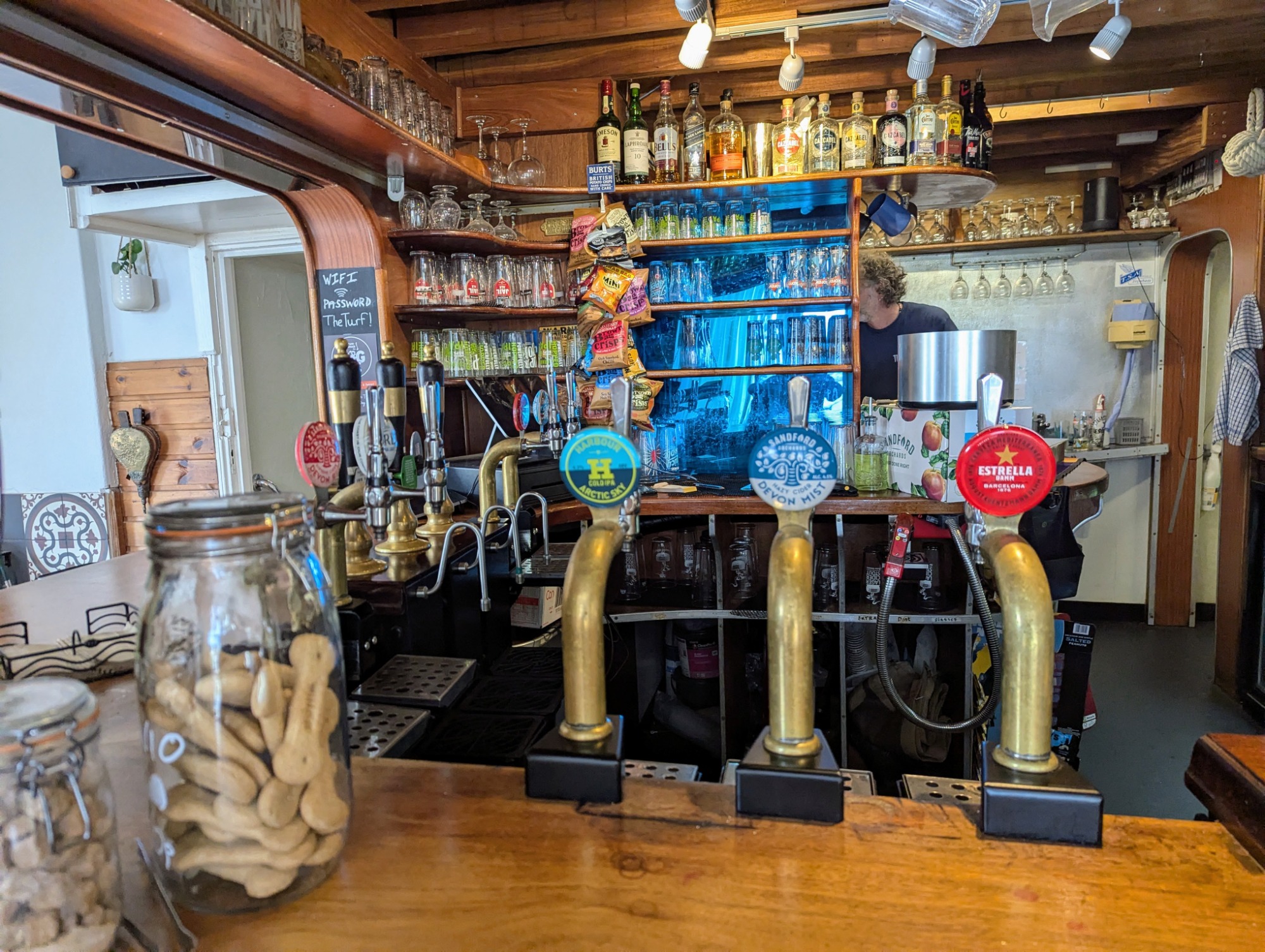
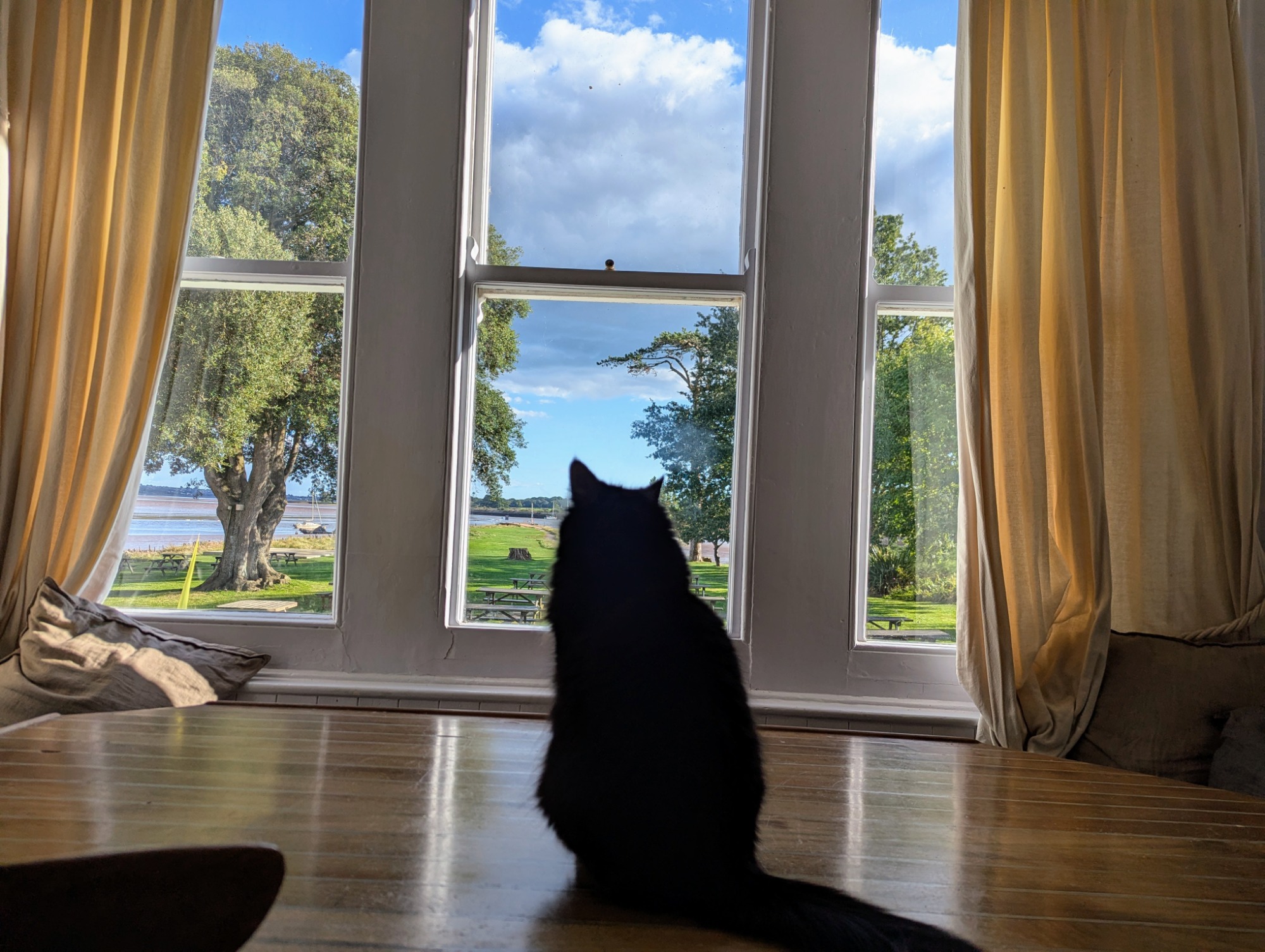
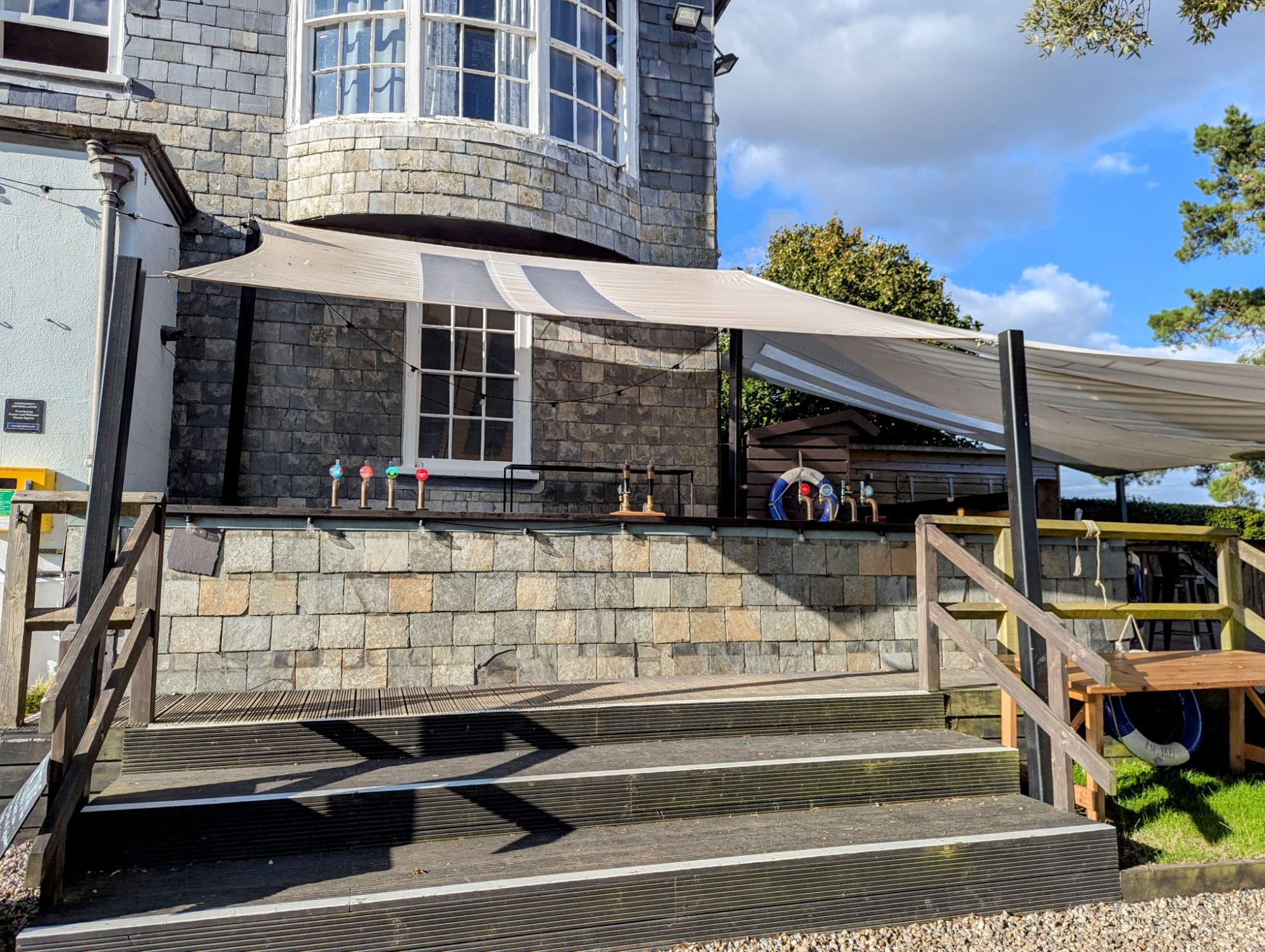
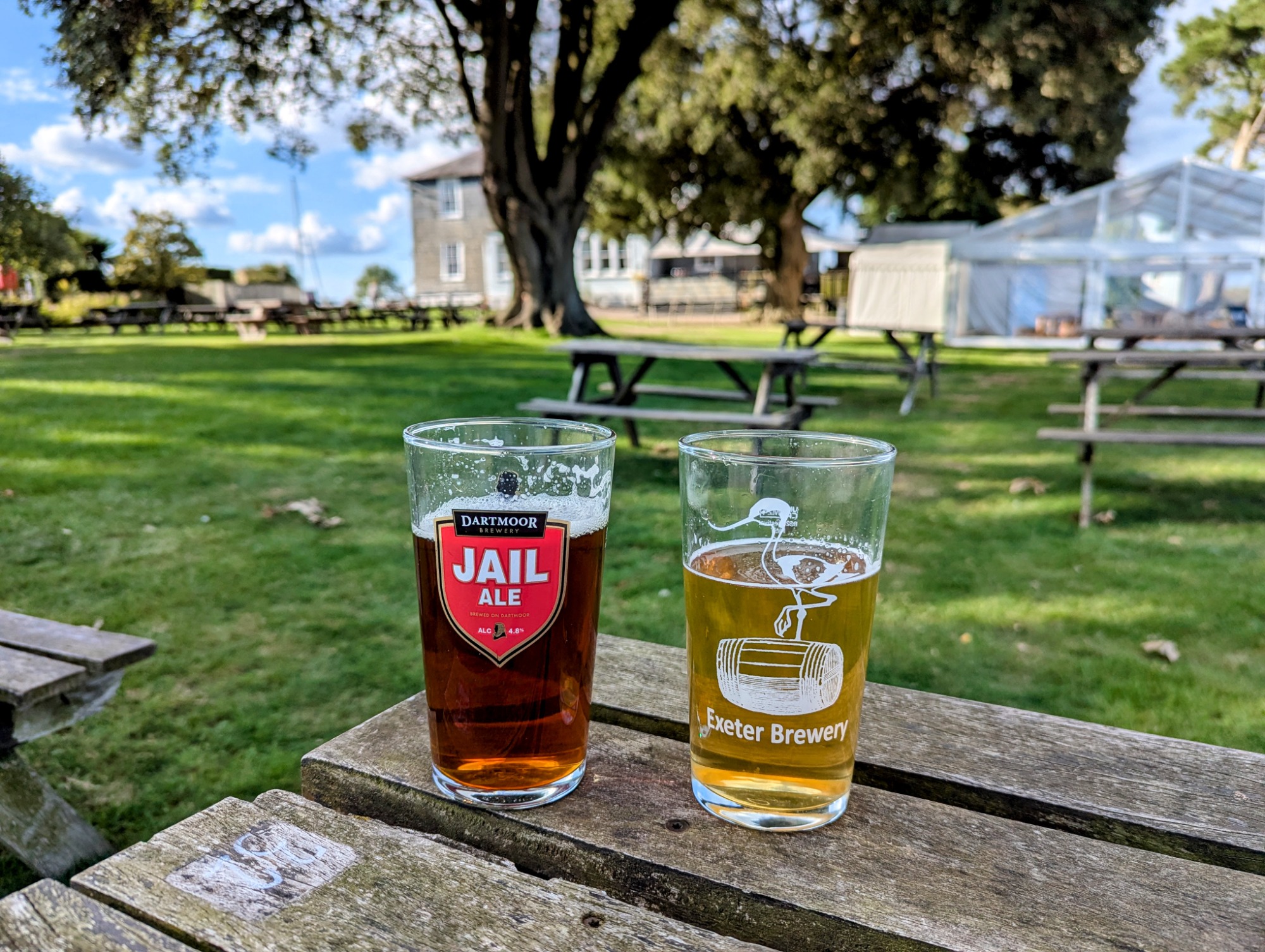
We sampled a pint of Jail Ale from Dartmoor Brewery and the Avocet Organic Ale from Exeter Brewery, both excellent choices from a great selection on tap. Making it feel even more welcoming was a friendly resident cat, which gave the place a wonderfully homely feel.
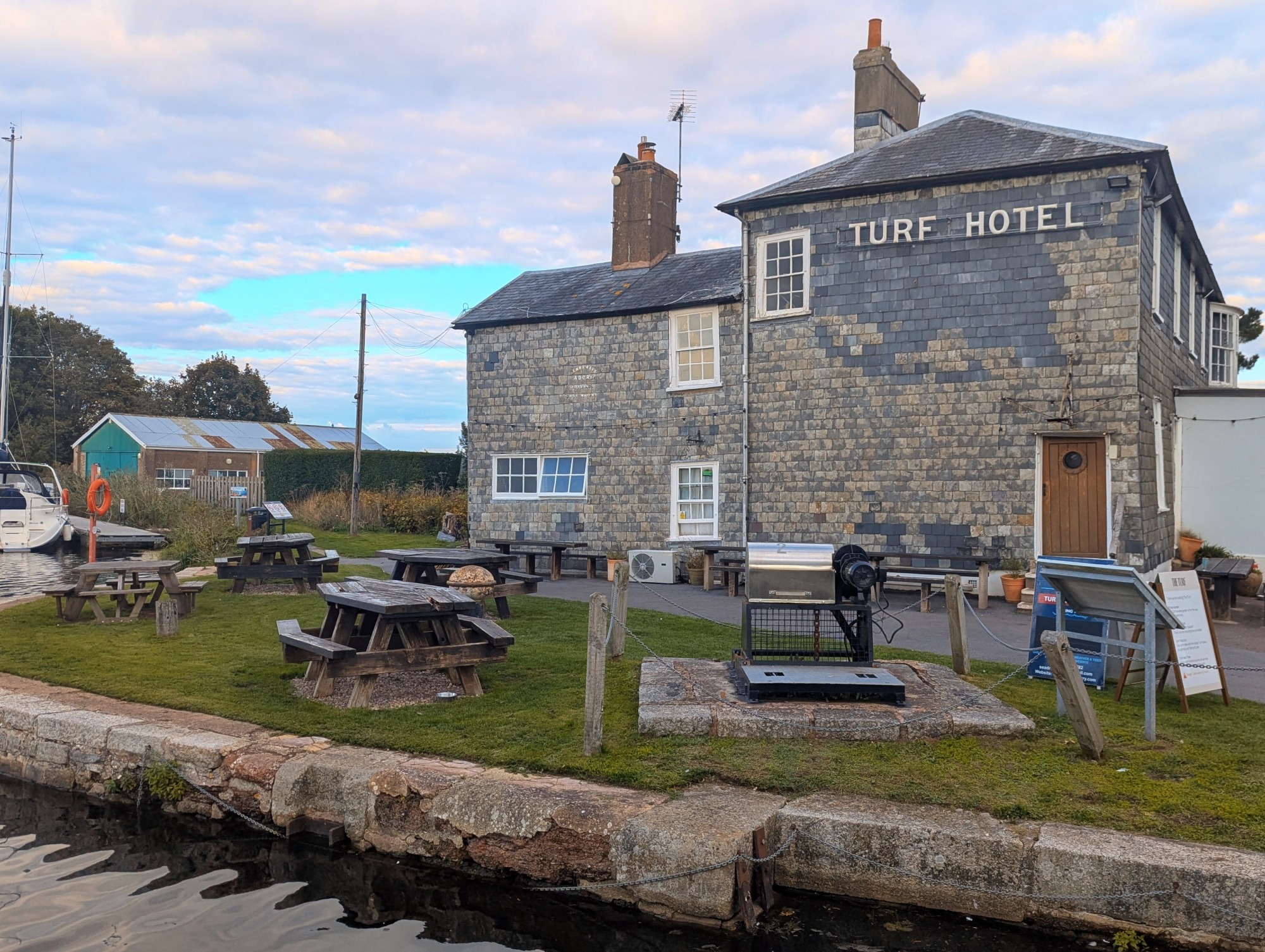
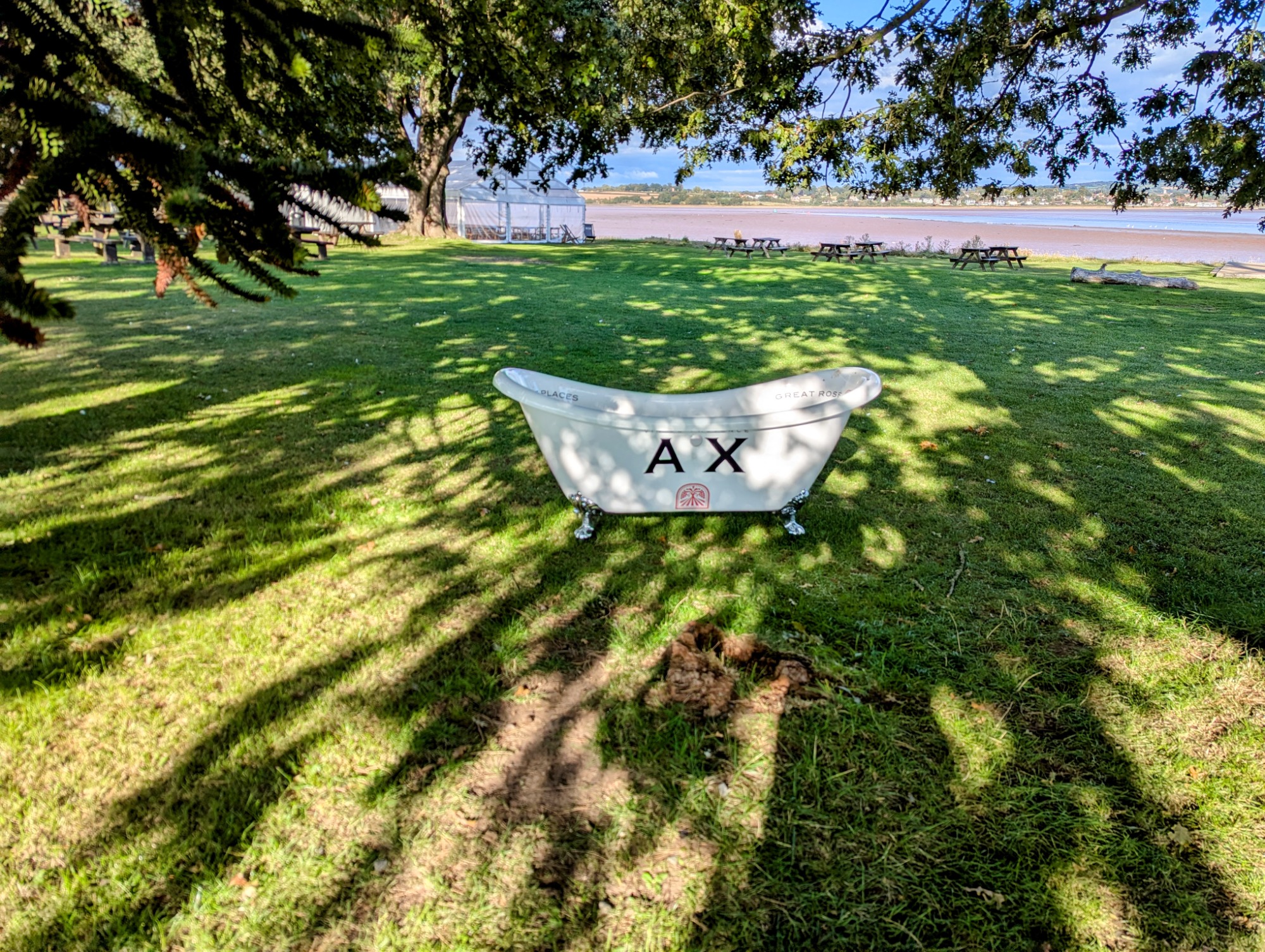
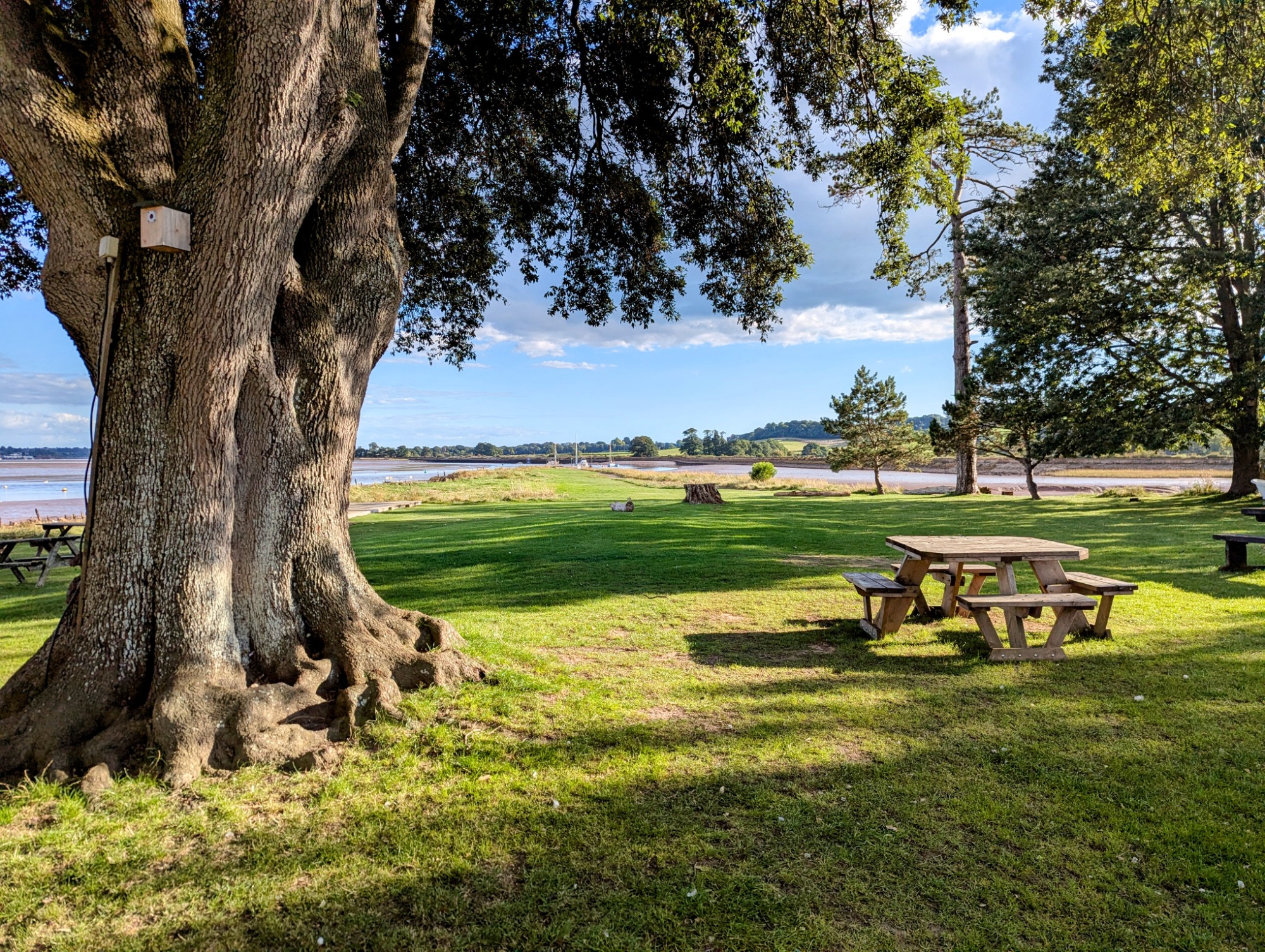
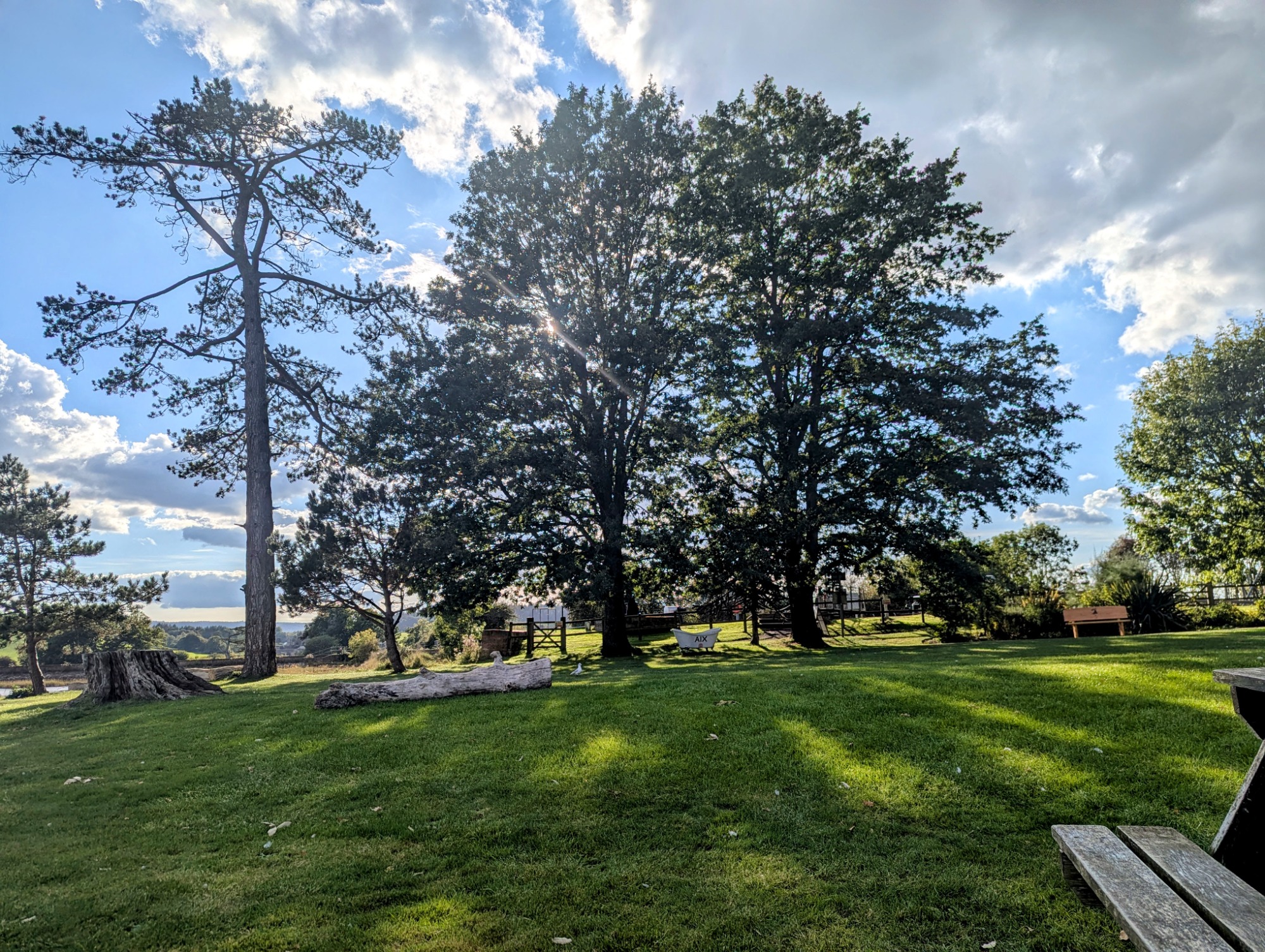
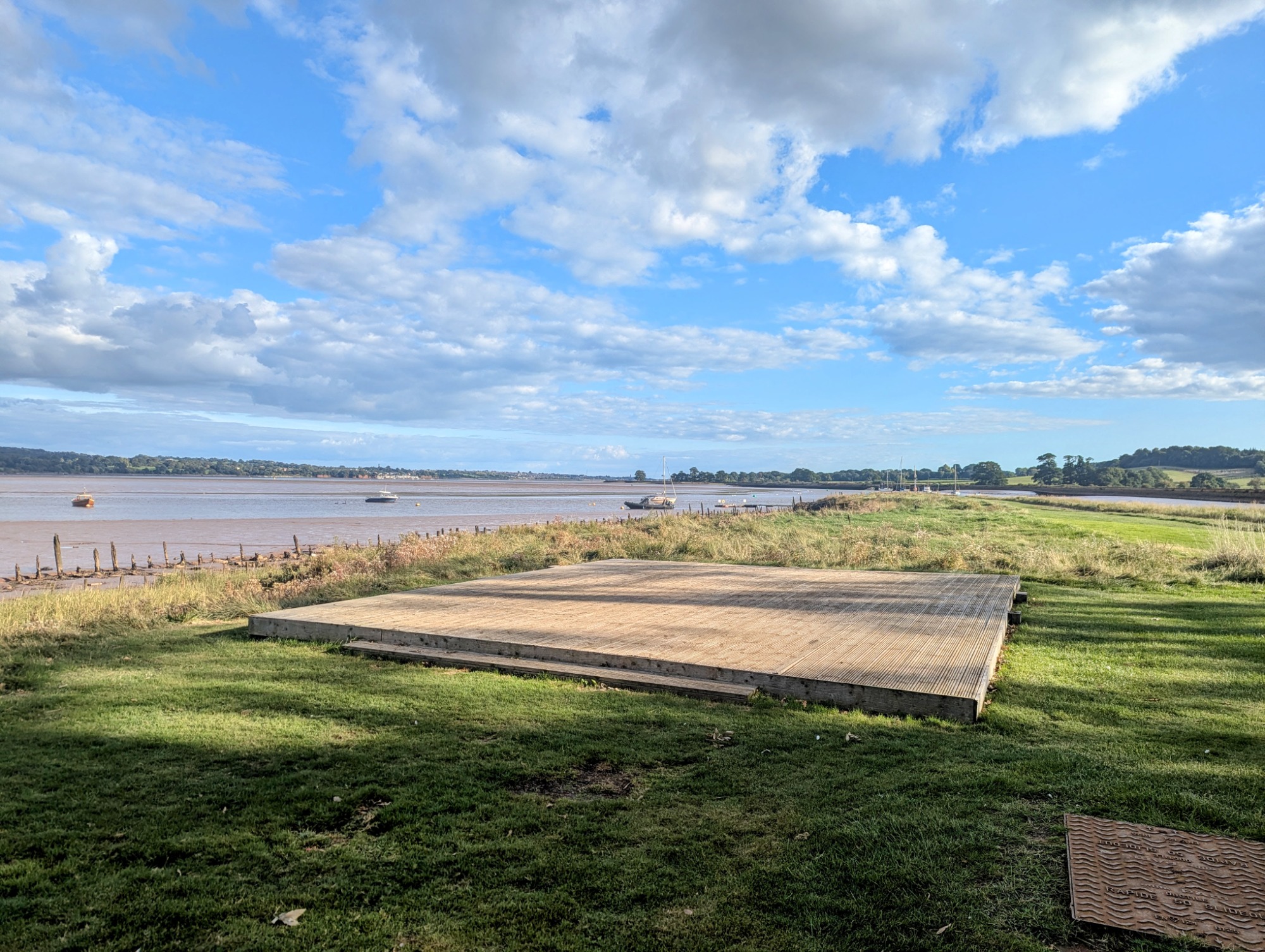
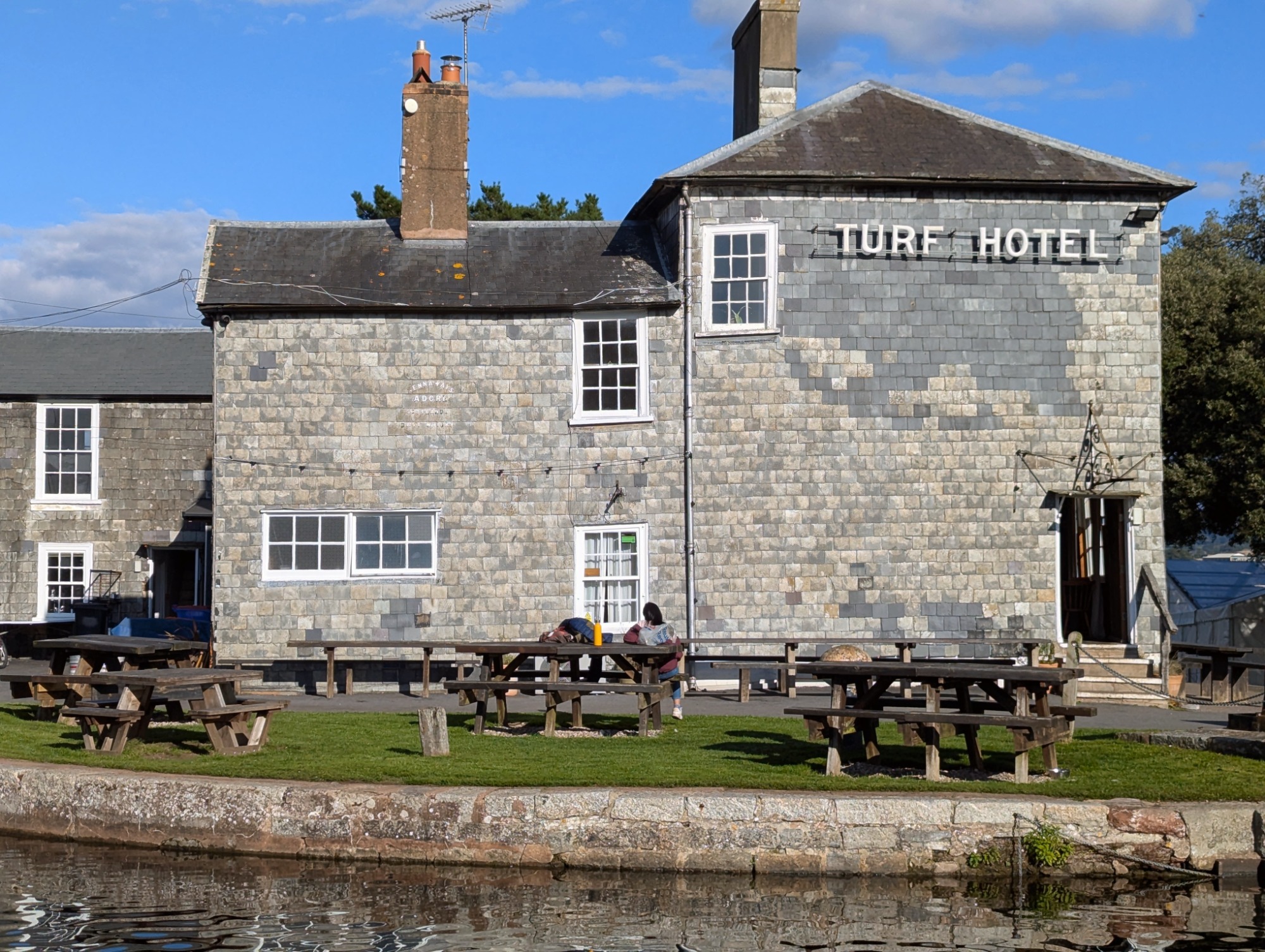
The highlight, though, has to be the enormous beer garden. It opens out onto the Exe Estuary on one side and the Exeter Ship Canal on the other, giving you panoramic views of the water. It’s a tranquil, relaxing setting — ideal for soaking up the scenery with a drink in hand. Truly, it’s well worth the walk.
P&P
Background....
The Turf Hotel (or Turf Locks Inn) is one of Devon's most iconic and uniquely situated pubs. Its history is inseparable from the Exeter Ship Canal, which it was built to serve. Its famous isolation isn't a modern gimmick but a direct consequence of its 19th-century origins.
Origins and Construction (Early 1800s)
The pub's story begins with the final extension of the Exeter Ship Canal. While the canal itself dates back to the 1560s, it was significantly extended and deepened in the early 19th century to accommodate larger sea-faring vessels.
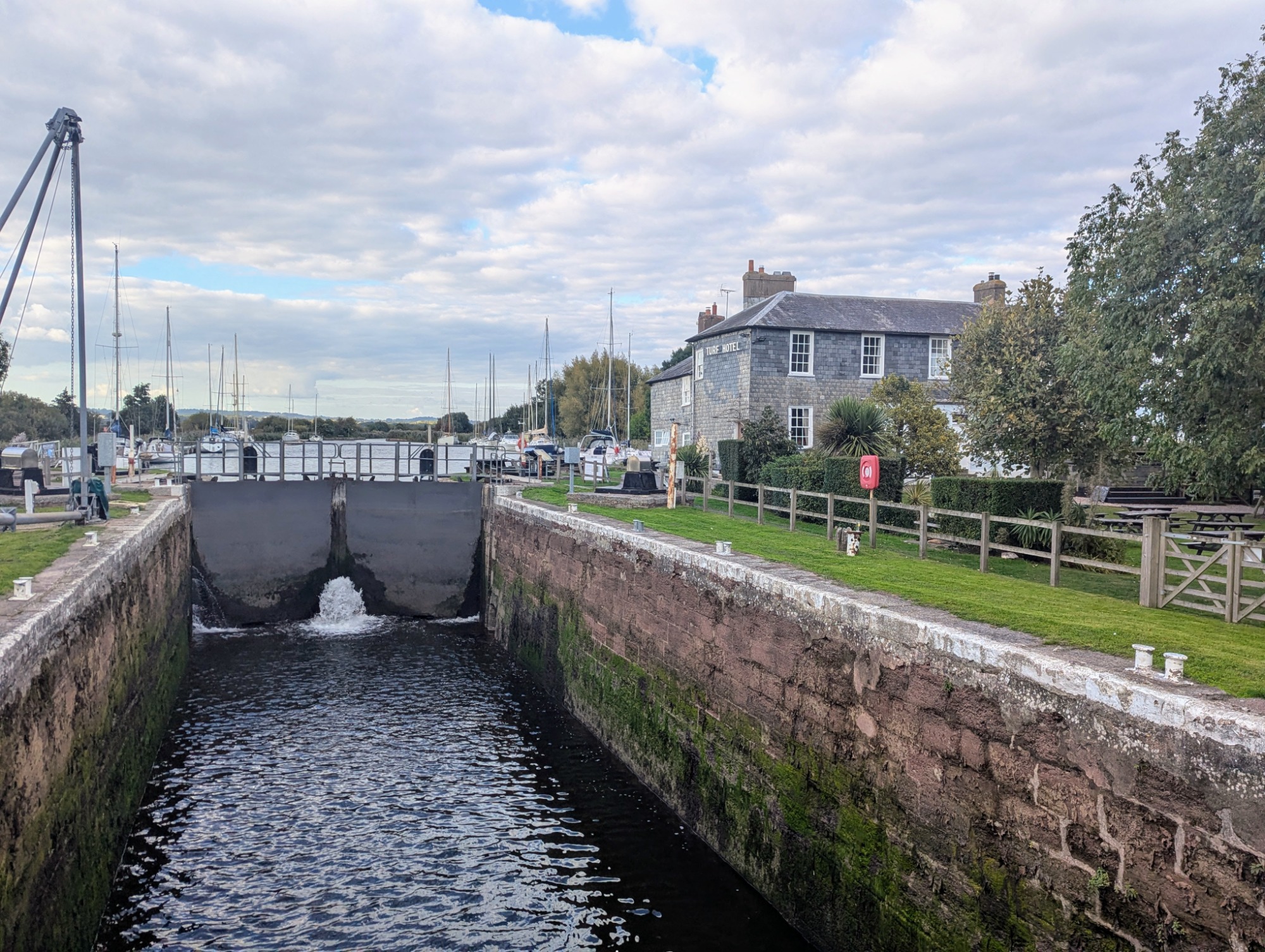
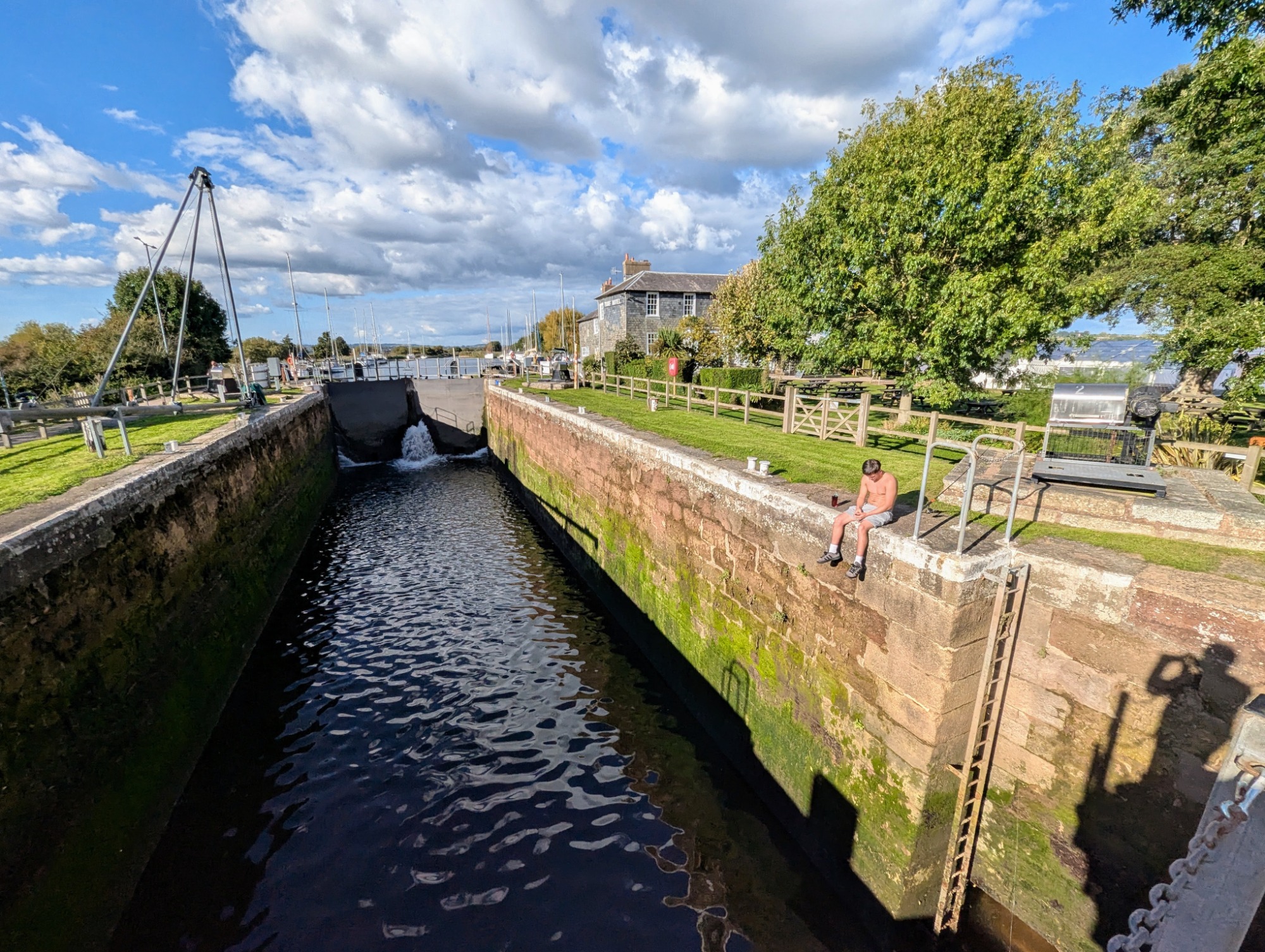
Built around 1827: The Turf was constructed as part of this major engineering project, which extended the canal to a new, final lock system right at the edge of the Exe Estuary. This new lock was named Turf Lock.
Original Purpose: The building was originally a two-in-one structure. It served as the lock-keeper's cottage and also as a place to serve refreshments to the "bargees" (the men who worked the barges), sailors, and other workers on the canal. It was a functional, working building above all else.
A Working Pub for a Working Canal
For most of its life, The Turf was not a destination pub but a vital stop for the canal's commercial traffic.
Serving Trade: The Exeter Canal was a crucial trade route, bypassing the difficult-to-navigate upper parts of the River Exe. Goods like wool, paper, and coal were transported to and from Exeter's Quay. The Turf was the last stop before the open estuary, a place for workers to rest and wait for the right tides.
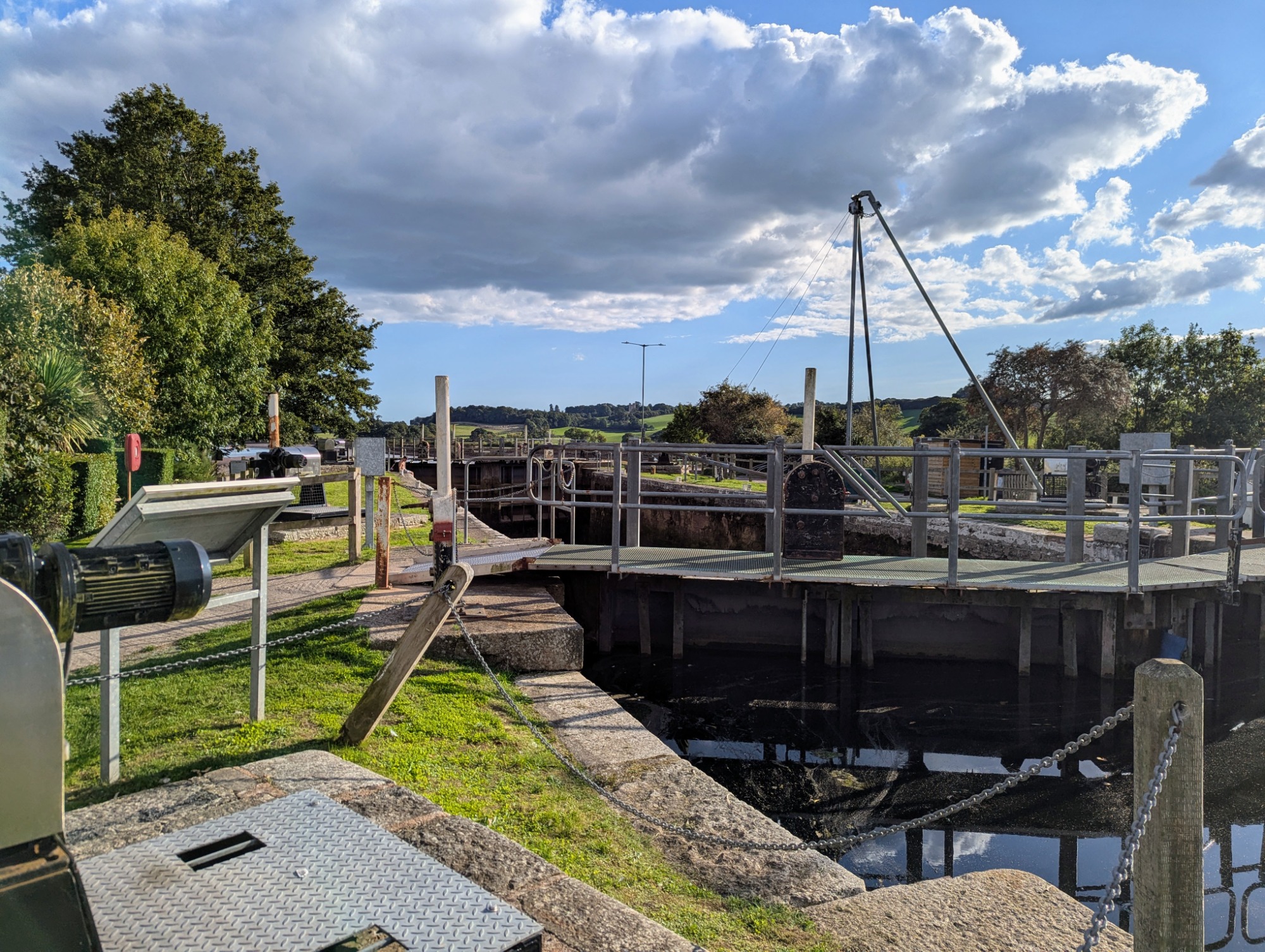
The Lock-Keeper's Role: The lock-keeper was a vital employee of the canal, responsible for operating the complex lock gates that allowed ships to move between the canal and the tidal estuary. Living on-site in what is now the pub was essential.
The Famous Isolation
The reason you still can't drive to The Turf is simple: it was never meant to be accessed by road.
Built for the Waterway: Its location was chosen purely for its strategic importance to the canal. All supplies, from beer barrels to food, originally arrived by boat. The focus was entirely on the water, with no need for a connection to the limited road network of the time.
Decline of Commercial Traffic: As railways and eventually modern roads became the primary way to transport goods in the 20th century, commercial traffic on the canal dwindled. The Turf's role began to shift from a functional stop for workers to a unique destination for leisure seekers.
The Modern Era
Today, The Turf is celebrated for the very isolation that defined its history.
A Destination Pub: It has become a beloved spot for walkers and cyclists using the Exe Estuary Trail, as well as for boaters and birdwatchers exploring the estuary's rich wildlife.
Iconic Status: Its large, sprawling beer garden with panoramic views, its historic slate-hung facade, and the unique journey required to reach it have secured its status as a "must-visit" Devon landmark. It represents a living piece of the region's maritime and industrial heritage.

Find us on YouTube